The Java platform is a fundamentally new way of computing, based on the power of networks and the idea that the same software should run on many different kinds of computers, consumer gadgets, and other devices. With Java technology, you can use the same application from any kind of machine -- a PC, a Macintosh computer, a network computer, or even new technologies like Internet screen phones. Java technology-based software works just about everywhere -- from the smallest devices to supercomputers. Java technology components don't care what kind of computer, phone, TV, or operating system they run on. They just work, on any kind of compatible device that supports the Java platform.
Java technology is widely regarded as revolutionary, because it was designed to let computers and devices communicate with one another much more easily than ever before. And soon the Java platform will be built into next-generation telephones, TV set-top boxes, smart cards that fit in your wallet, and many other consumer and business devices.
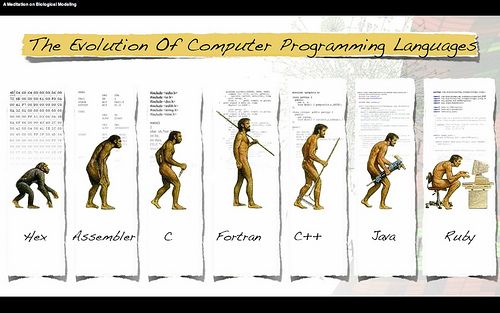 The Evolution of Computer Programming Languages
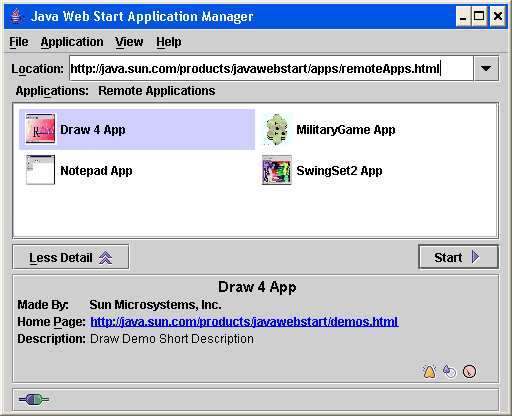 Early versions of Java Web Start came with an appl...
 Java (software platform)
Perhaps the most visible examples of Java technology-based software today are on the Internet and on enterprise networks. They're nimble, interactive programs called "applets." As in the example on the right, applets work inside Web browsers on computers and other devices. And there are other kinds of Java technology-based software: programs written in the Java programming language can run directly on your computer (without requiring a browser), or on servers, on large mainframe computers, or other devices.
With Java technology, the Internet and private networks become your computing environment. Coupled with the power of networking, the Java platform is helping computer users to do things that were previously unimaginable. For example, users can securely access their personal information and applications when they're far away from the office by using any computer that's connected to...