Racism in Maycomb
Many people gathered to watch Atticus Finch defend a black man, Tom Robinson in the hot Maycomb County Courtroom yesterday. "...That Negroe yonder took advantage of me," claimed Mayella Ewell.
Tom Robinson has worked on Mr. Link Deas's farm for eight years. "...that boy's worked for me eight years an' I ain't had a speck o' trouble outa him. Not a speck," stated Mr. Deas during the trial. While working on the farm, he had an accident with the cotton gin, leaving his entire left hand completely useless. When witness Heck Tate was called to the stand, it was confirmed that Mayella's right eye was blackened, proving she had been hit by a left-handed man. Mr. Finch then attempted to transfer the blame of the assault to Mr. Bob Ewell, Mayella's father. Coincidentally, it was proven that Mr. Bob Ewell is left handed and could be guilty of Mayella's battery.
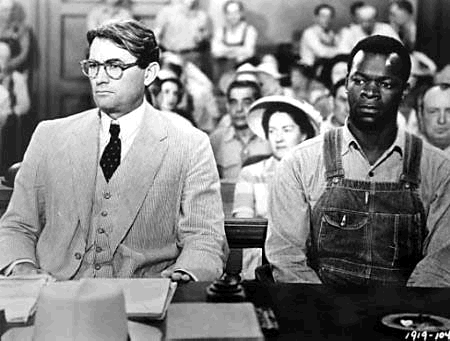 Screenshot of To Kill a Mockingbird(an American mo...
 A cotton gin on display at the Eli Whitney Museum.
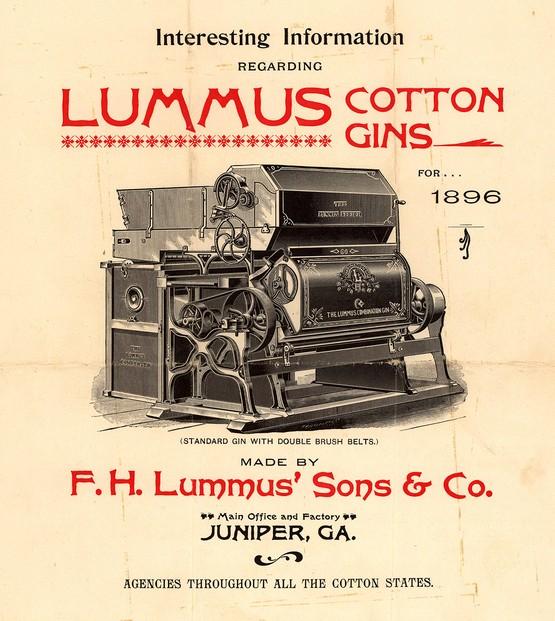 English: Lummus cotton gin advertisement, 1896
When Ms. Ewell and Mr. Robinson were called to the stand, they told completely different stories of what happened the day of the incident. Mayella had been inviting Tom into the Ewell yard to do odd jobs for her for no charge. Mayella claimed that Tom followed her into the house when she asked him to chop up a chiffarobe. According to Mayella, he struck her in the face and took advantage of her. Tom's story was much different. "She reached up an' kissed me side of th' face. She says she's never kissed a grown man before an' she might have well kissed a Negroe. She says what her papa do to her don't count. She says, 'Kiss me back, Negroe'...I didn't harm her...I say lemme pass, but just when I say it Mr. Ewell yonder hollered through th' window," claims Tom. After he saw Mr. Ewell in the window he ran which led people to believe he was guilty. When Atticus questioned why he ran, Tom answered, "Mr. Finch, if you was a Negro like me, you'd be scared too."
After an extensive and convincing closing statement from Atticus Finch, the jury came back with a guilty verdict, although the fact that Tom Robinson was innocent was clearly proven. The real question here is, did the jury think Tom was guilty for rape or because of the color of his skin?
 Tom Robinson Band
 English: SS Camorta built by A & J Inglis in a pai...
 Mayella from RTHK