The lack of female in the IT industry today. This essays explores the reasons why the It industry is not seen as an ideal career for young women today, and the steps we should take to remedy his.
The lack of Females in Computer related Careers
Information Technology (IT) is a rapidly expanding and demanded industry in today's society. However, while women do well in IT, their involvement is lacking when compared to the dominant percentage of male employees. Unquestionably, IT professionals must encourage more women and girls to study computing and become the high-tech professionals for which there's so strong a demand.
Women, who comprise 51 percent of the population and earn more than half of all bachelor-level degrees awarded, earn about one-quarter of the bachelor-level computer and information sciences degrees awarded by U. S. academic institutions. This has dropped steadily in the United States from 35.8% in 1984, to only 27.5% in 1994. However, this is not due to lack of ability. In 2001 3.8 % of girls received VHA and 6.51 % HA. Yet in the same year only 23.39 % of Yr 12 students doing Information Processing Technology were female. This raises the question: 'Why aren't girls participating in IT and how can we remedy this?'
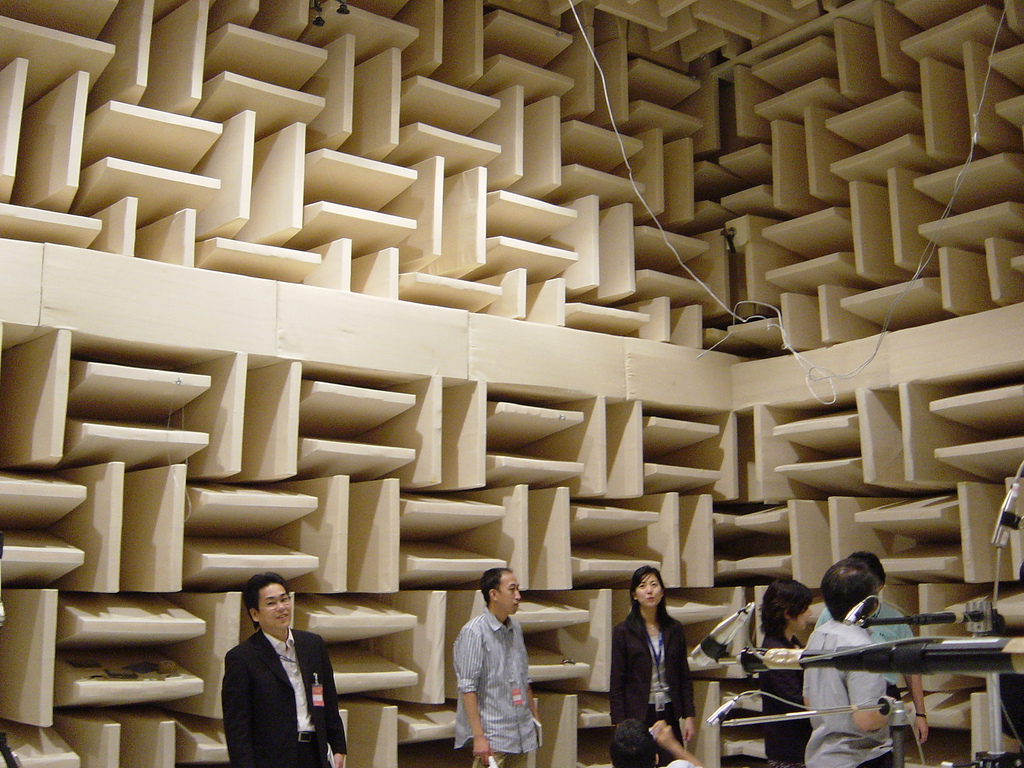
Though a career in IT is an interesting and profitable prospect, it is not portrayed as being glamorous. In a survey conducted in 1997 it was found that the majority of 17-year-old's thought of IPT professionals as people who "Sit and scratch themselves" and whose job entails "drinking coffee and playing Doom and Quake". When asked to draw a representation of an IPT consultant most responses portrayed a profession that is populated with "geeky-nerdy" individuals, who wear bow ties, glasses, pocket protectors, "too short" pants, and lab coats. They are typically bald males who are passive geniuses who work alone on their computers. This is the main cause for the lack of Women in IT. When choosing careers, the image-conscious female population opts for a more stylish career...
More Education
essays:
How sociological factors affec
... usually relate themselves with an “academic institution” and may relate to ...
Bullying in Schools
... they do ask for help. Bullying behaviour may also be influenced by the gender of the bully and the victim. Research shows that males are more likely to get involved in bullying others than females and ...
Technologies in Schools. The primary reasons why public education must change and integrate information technology if it is to survive in the future
... the interactions between themselves and their students. This is what information technology must protect and promote. A failed individual costs more than ... 90% of each school budget. This is at a salary level that does not attract people to the teaching profession for ...
In Today's Technological Society, is the Push Towards a "Wired" Educational Environment Hindering Students' Ability and Opportunity to Acquire Needed Basic Skills in the Classroom?
... Educational Technology Initiative". The plan had four main goals: provide access to modern computers for all teachers and students, connect every school in America to the Information Superhighway ...
Gender In Education
... European male scientists, but generally ignoring the contributions of their female counterparts. Some female students are choosing careers in the scientific field; however, "Glover and Fielding (1997) report that although the percentage of women with degrees in science, engineering, and technology ...
The Role of Black Greek Letter Organizations as a source of progressive social change or for maintenance of the status quo
... more computers in inner city schools and make African Americans more comfortable using technology. The women in ... through forums, meetings and other ways to receive and give information. Members of the NPHC engage in cooperative programming and initiatives ...
Education in Unied States
... involved in education at all levels and substantially expanded funding for universities. The federal government began to provide substantial amounts of money for university research programs through agencies such as the National Science Foundation, and later through the National Institutes ...
Technology advancement in work force education
... of technology in training does not fully consider the human learning experience. Students can read information displayed on a computer monitor, hear the program commentator describe a particular process or ...