Laissez-faire vs. Government Intervention
Less government intervention in economic affairs means more economic freedom and prosperity. In other words, when people are free to choose and pursue profitable opportunities, the economy of a country runs more efficiently, creating greater wealth and improving the standard of living. While this is a true statement for some people, others argue that government involvement is necessary in order to respond to market failures and limit abuses of market power.
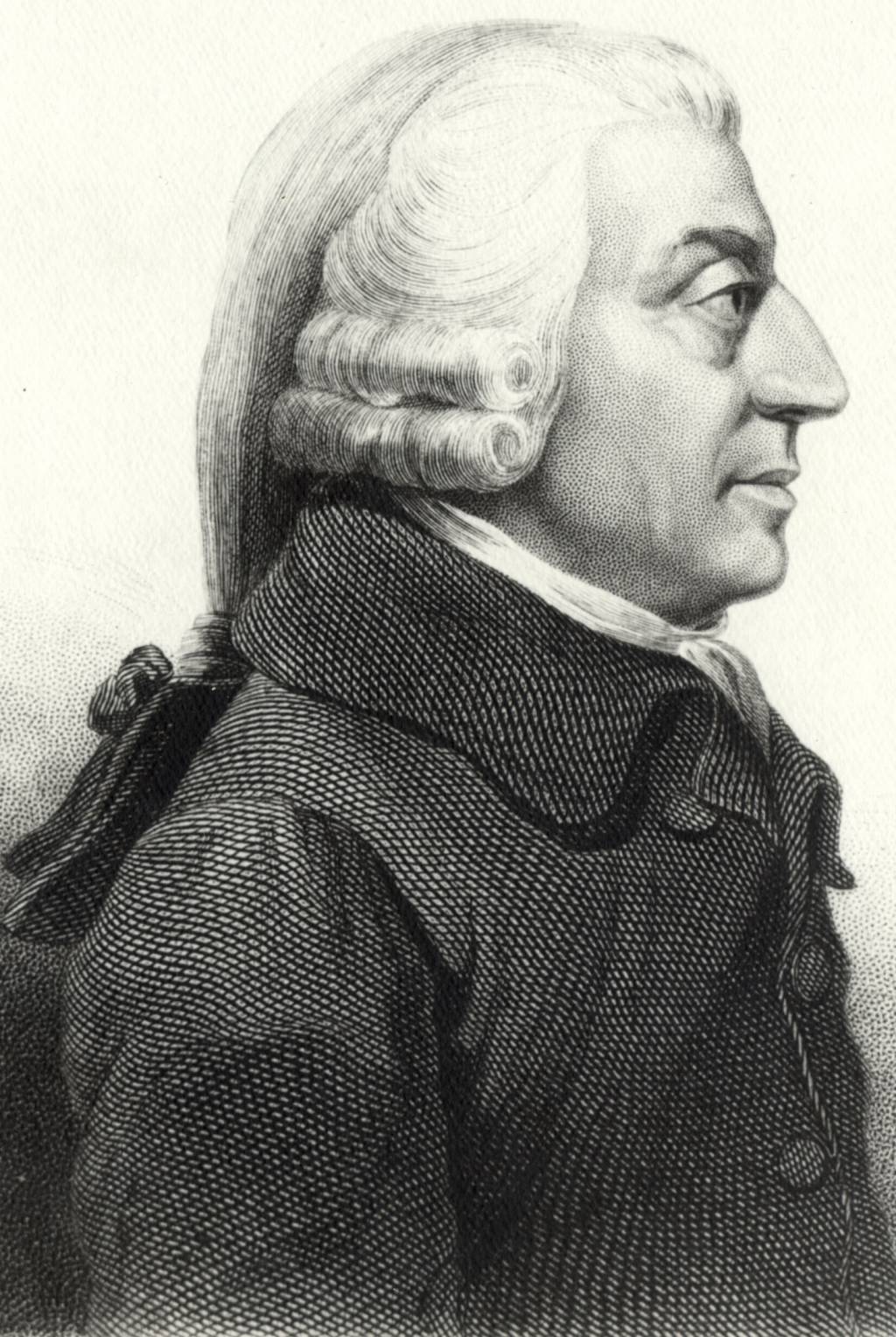
Laissez-faire is a French expression based upon the theories of Adam Smith, an 18 century Scot political economist, whose writings greatly influenced the growth of capitalism in several parts of the world (Biography). Smith believed that as long as markets were free and competitive, the actions of private individuals, would lead to better social results. The idea behind the concept of Laissez-faire is that economies function more efficiently when people can pursue their economic activities and interests freely. Laissez-faire opposes governmental regulation and intervention in commerce and states that the government should not interfere with decisions made by individuals. The theory also embodies free trade. It indicates that protectionist measures should not be used.
Protectionism is a view that free trade is injurious and should be restricted. Protectionist policies are used in order to protect domestic industries. Protectionism is often criticized by the supporters of free trade as harming economies instead of assisting them (Frank and Bernanke). Tariff is an example of a protectionist measure which the supporters of Laissez-faire view as an obstacle to free trade among nations limiting their opportunities to benefit from exchanging goods and services with one another.
People who support a laissez faire system are against minimum wages and any other forms of trade restrictions. They also consider limited government interference in private economic decisions such as pricing and production of goods and/or services...
More Political Theory
essays:
Ideal Ideal: Comparison, Contrast, and Synthesis of Marxist Socialism and Adam Smith's Capitalist ideals
... economic thinking can easily be considered one of, if not the, most influential elements shaping the western world as we see it today. These shifts in thinking, rooted ...
Adam Smith vs. Karl Marx.
... through market prices, consumers "directed" entrepreneurs' investment money to the most profitable industry. Remember that this is the industry producing the goods most highly valued by consumers, so in general economic well ...
Karl Marx and His Theory of Alienation: How It Can be Applied to Modern Society.
... higher profits, and functioning at the status-quo is a sign of failure. Just as proprietors exploit workers, company heads are exploited by corporate culture which uses them to further concentrate the economic power ...
Global Economic Freedom is an issue that we as conscious business people should be aware of. It is not enough just to know the rules and laws that govern the economic system in one's own country.
... are Trade Policy, Government Intervention, Foreign Investment, Wages and Prices, Regulation, Fiscal Burden, Monetary Policy, Banking and Finance, Property Rights and Black Market activity ...
Karl Marx, A Summary of his Life
... different social responses to this fact. The Austrian School of economics has criticized Marx's use of the labor theory of value. In addition, the policies and actions of various so-called socialist states, which typically ...
Issue Reaction Paper: The Theory of Democracy and Demos: A reaction to a quotation in Euripides's play "The Suppliants".
... statement contradicts the two fundamental principles that all of direct democracy is based on. The first is that we know enough to decide how to govern ...
How do politics affect the bureaucracy? What lessons can we learn from theory about government and the bureaucracy?
... organizational affairs is important to understanding the political process overall. Just as the founders realized very soon after the creation of government, that the president needed some sort of cabinet to help aide him in his decision making ...
Compare and Contrast Functionalist and Marxist Theories of Stratification.
... by preparing people for various jobs, which in turn produces economic growth and further investment in education, but also transmits culture ... others. They list the rank order of positions as religion, government, wealth and technical knowledge and point out that only a ...