There are three federal court cases that provide the legal foundation for providing equal educational opportunity to students with limited English Proficiency, Lau vs. Nichols 1973, Castaneda vs. Pickard 1981 and Plyler vs. Doe 1982 (The English Language Learners Knowledge Base, 2004).
This research paper will focus on Lau vs. Nichols, a major ruling by the Supreme Court in reference to Title VI of the Civil rights act of 1964. In this research paper I will give the history, outcome and discuss the implications that have affected ELL classroom / learners of the future. This cases main point was that when children arrive in school with little or no English-speaking ability, "sink or swim" instruction is a violation of their civil rights.
In 1974 The U.S. Supreme Court ruling in the Lau vs. Nichols case set major precedent regarding the educational rights of language minorities, although this fact is grounded in statute (Title VI of the Civil Rights Act of 1964), rather than in the U.S.
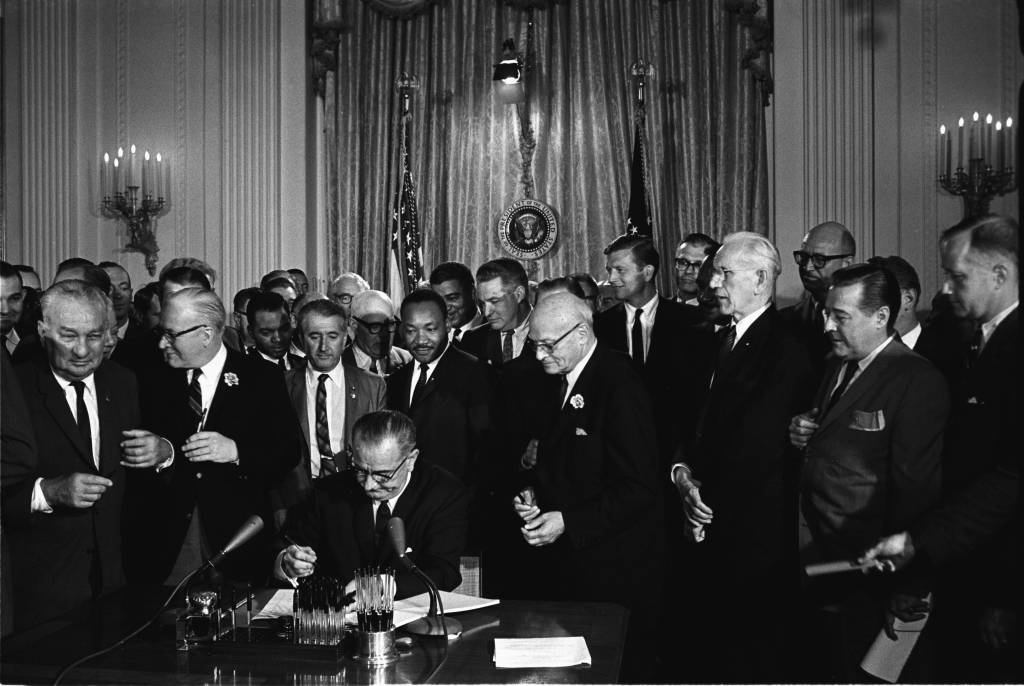 President Lyndon B. Johnson signs the 1964 Civil R...
 Martin Luther King, Jr. and Malcolm X meet before ...
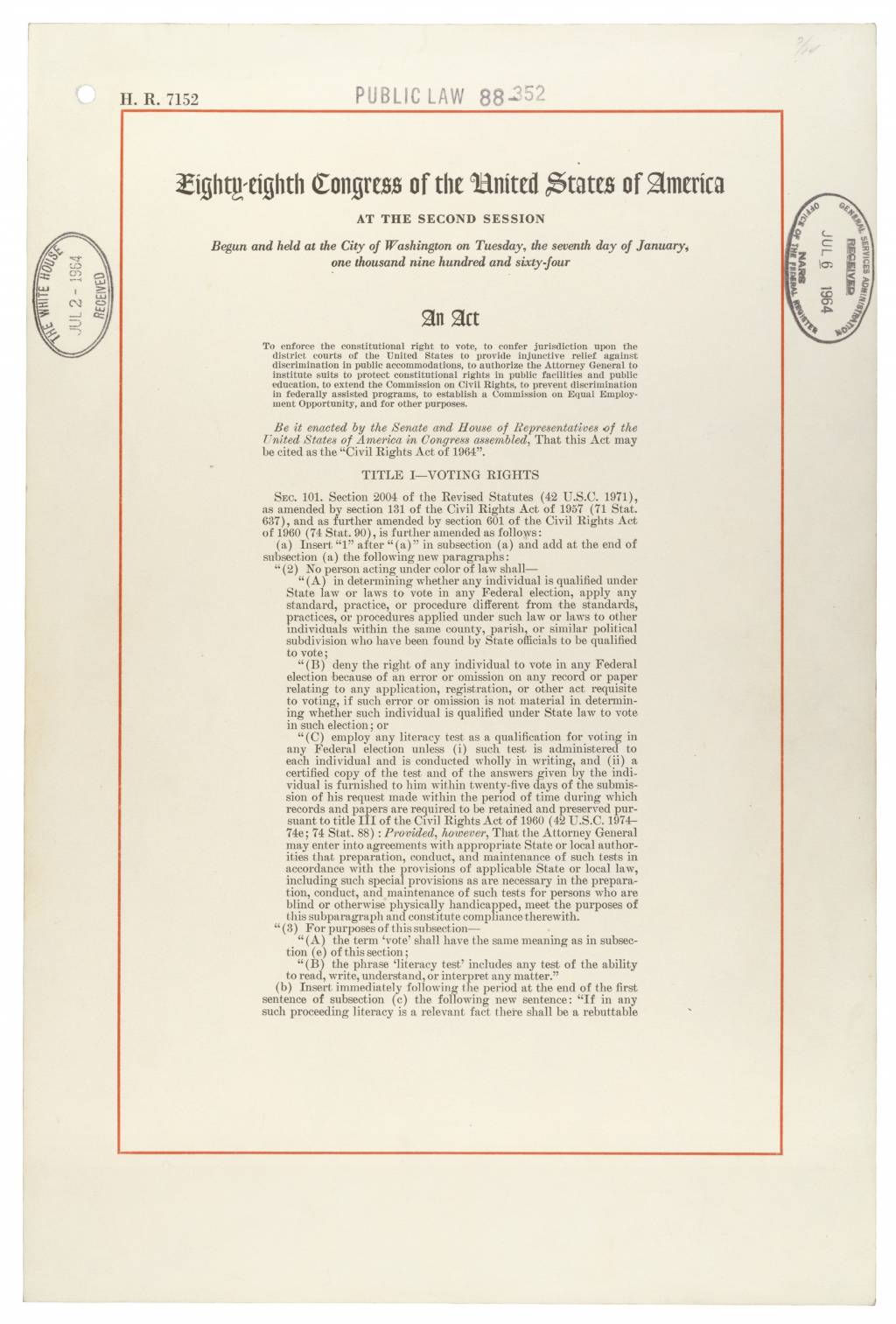 Civil Rights Act of 1964
Constitution. At issue was whether school administrators may meet their obligation to provide equal educational opportunities merely by treating all students the same, or whether they must offer special help for students unable to understand English. Lower federal courts had absolved the San Francisco school district of any responsibility for minority children's "language deficiency." But a unanimous Supreme Court disagreed. Its ruling opened a new era in federal civil rights enforcement under the so-called "Lau Remedies." The decision was delivered by Justice William O. Douglas on January 21, 1974 (Find Law, 2006).
History
The following are inserts from the case. This class suit brought by non-English-speaking Chinese students against officials responsible for the operation of the San Francisco Unified School District sought relief against the unequal educational opportunities which were alleged to violate,