Some materials are so commonplace that we take them for granted. One of those
materials is a grayish metal that has been with us for thousands of years. That metal is lead,
still one of the world's most useful substances, and one that never ceases to find a role in
human society.
Lead has the atomic symbol of Pb (for plumbum, lead in Latin). The atomic number
for lead is 82 and the atomic mass is 207.19 AMU. It melts at about 327.502 oC and boils at
1740 oC. Lead is a heavy, ductile, soft, gray solid. It is soluble in nitric acid and insoluble in
water. It is found in North, Central and South America, Australia, Africa and Europe. In
modern times, lead has found a wide range of uses, and world demand for lead and its
products has steadily increased. Lead's usefulness stems from the metal's many desirable
properties: softness, high density, low melting point, ability to block radiation, resistance to
corrosion, readiness to form alloys and chemical compounds, and ease of recycling.
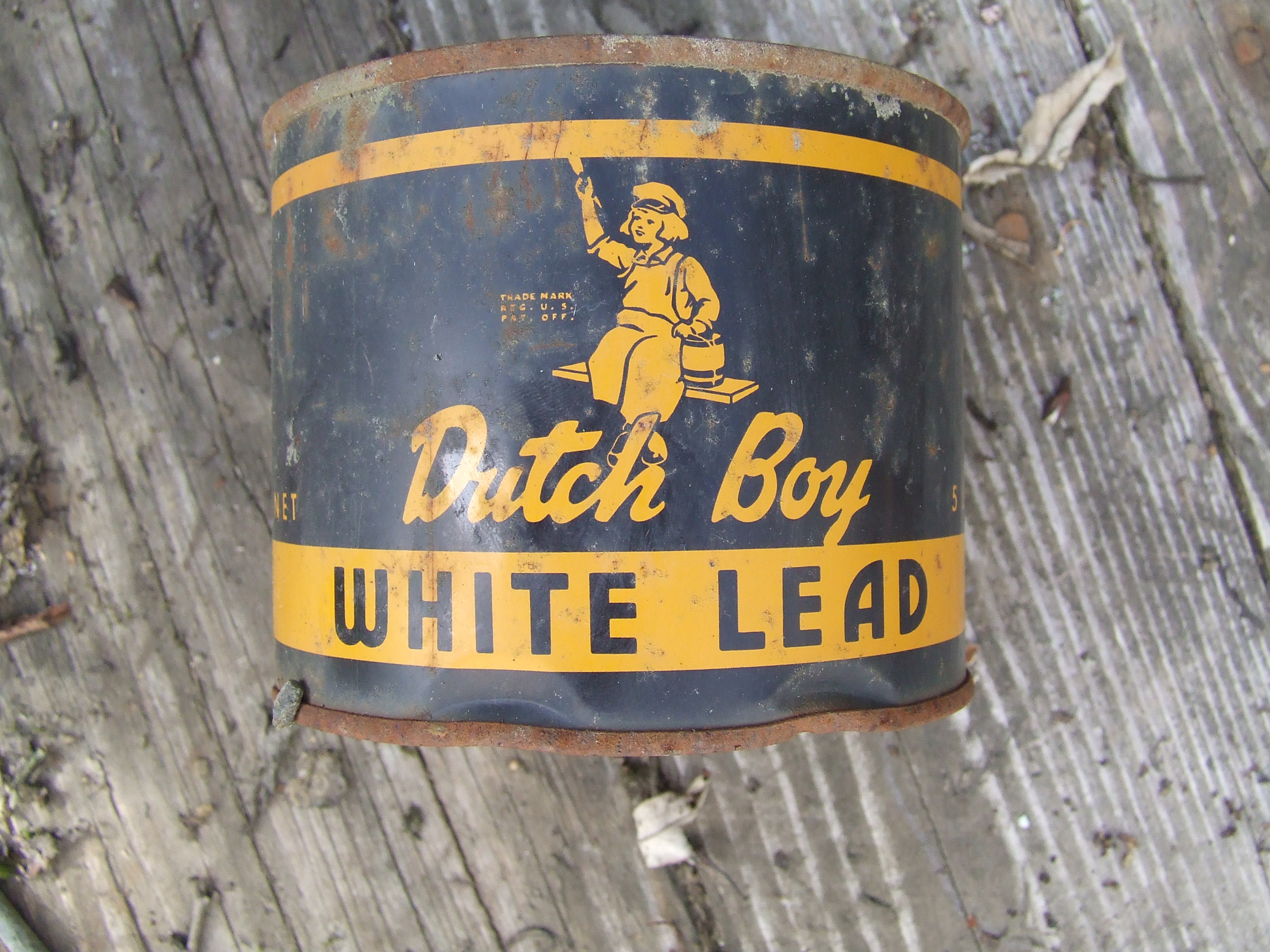 Lead paint
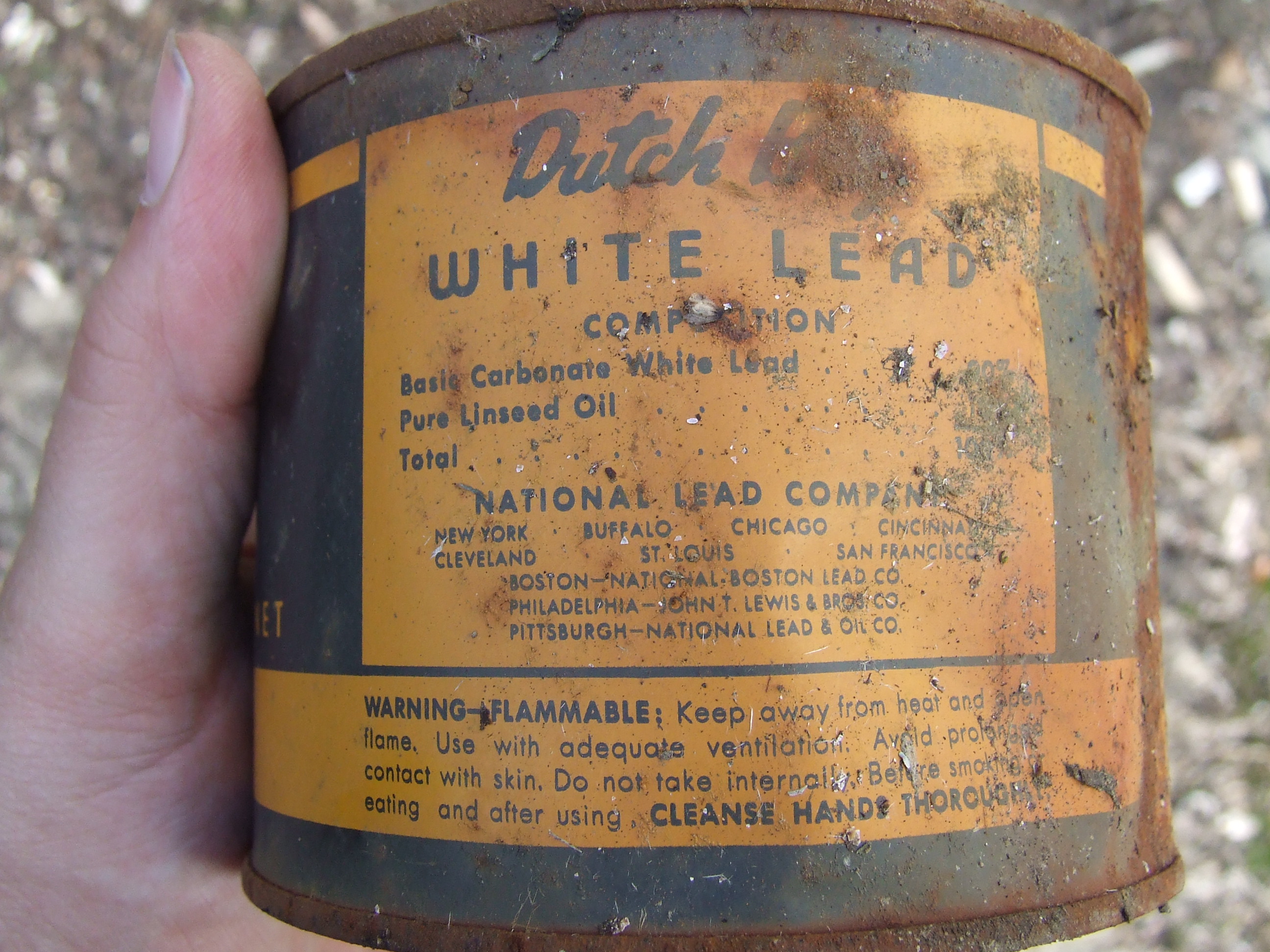 English: Lead Paint
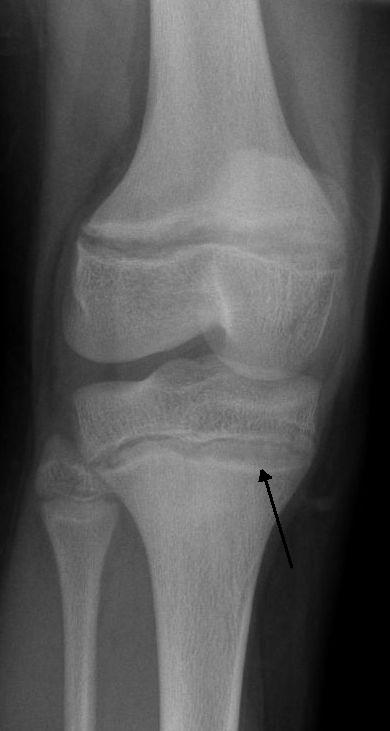 English: Dense metaphyseal lines from lead poisoni...
Its
versatility, as well as its physical and chemical properties, accounted for its extensive use.
Lead can be rolled into sheets which can be made into rods and pipes. It can also be molded
into containers and mixed with other metallic elements.
Lead was used in ancient times for making coinage, art objects and water pipes. One
of the first known toxic substances, lead was used by the Romans for lining aqueducts and in
glazes on containers used for food and wine storage; and it is suspected to have resulted in
widespread lead poisoning. Members of the famous Franklin Expedition to the Northwest
Passage in the mid-1840s met a similar fate, being poisoned from lead in solder, widely used
at the time to seal tins...