A liberal arts education provides students with a broad spectrum of information enabling them to expand knowledge and to advance society in a positive direction. This universal education provides a strong foundation of knowledge in many subjects. The students can observe the strengths and capabilities, as well as the limitations of each field of study. This allows the students to find connections between diverse fields of study, to explore them, and to discover new theories, thoughts, or inventions. It allows the students to investigate areas of intrigue and create new fields of study by blending subjects that compliment each other. With these new inventions, discoveries, ideas, and new methods of problem solving, society will advance in a positive direction. Standards of living will rise with these inventions and discoveries, making society more productive and more capable of controlling its surroundings. New thoughts and theories will give insight to those who desire meaning and understanding of concepts.
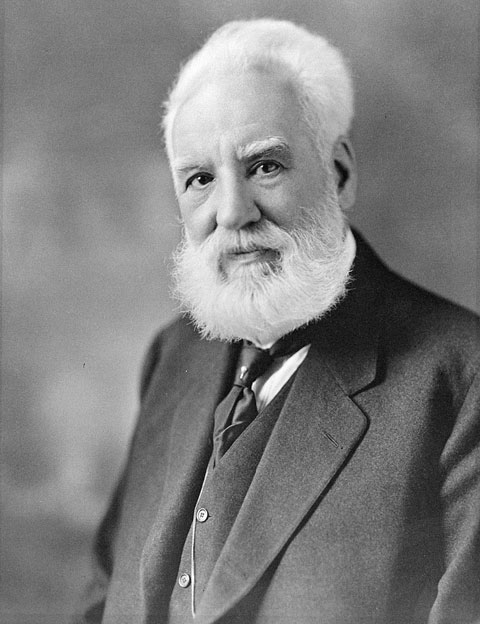 English: Portrait of Alexander Graham Bell França...
 Cleeve Horne's sculpture of Alexander Graham Bell ...
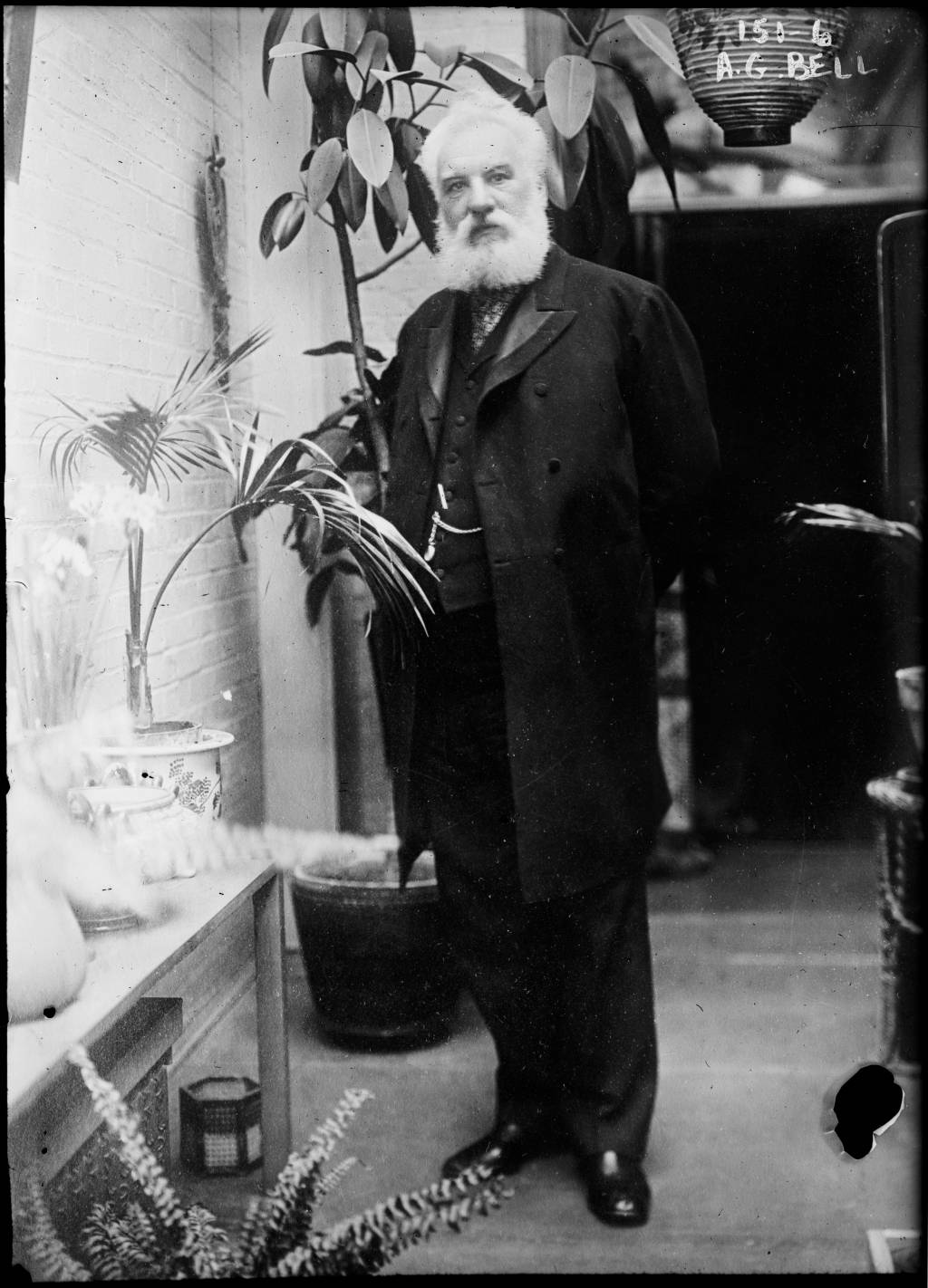 English: Alexander Graham Bell
A liberal arts education provides a strong foundation of knowledge in many fields and subjects allowing students to create new theories, inventions, and connections between fields. With this foundation, great thinkers can build and expand from what others have learned rather than wasting time and effort on what has already been discovered. While it is true that the factual information about each subject is very important, the most useful tool liberal arts students can possess is the knowledge of the strengths and capabilities of each individual field, as well as the weaknesses and restrictions. With this knowledge, the students can mesh attributes of different subjects to formulate new and more brilliant concepts; the brilliance being a function of the strengths and compatibility of the chosen subjects. As in mixing colors, a new color can only be created by mixing different colors. The brilliance of...