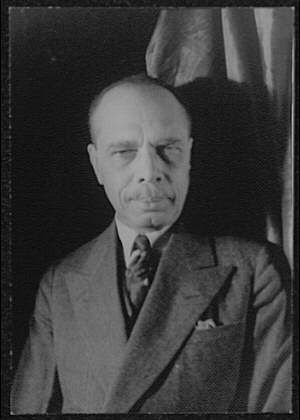
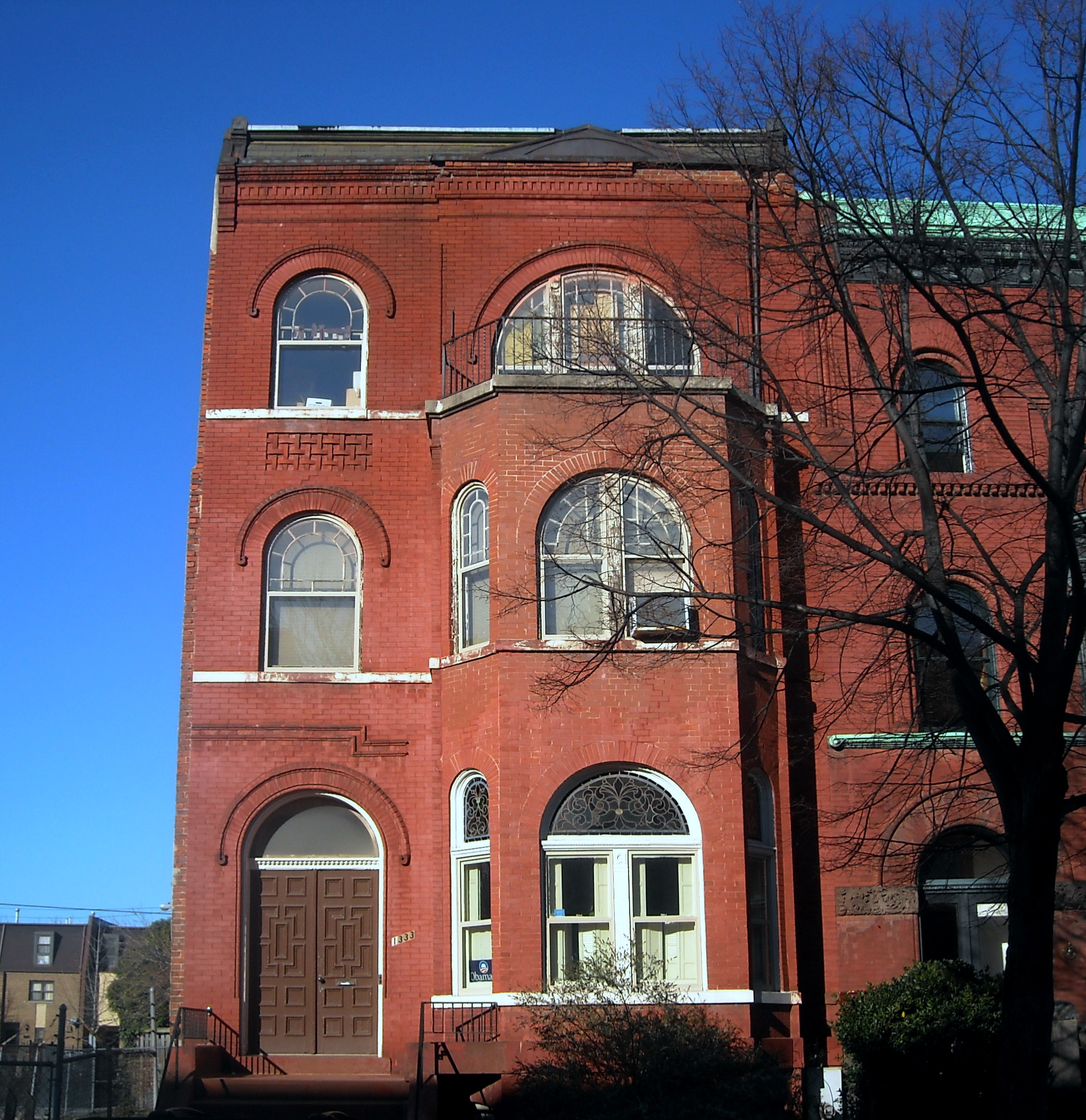
The life and accomplishements as well as trials of James Weldon Johnson.
Abstract
Johnson was born June 17,1871 in Jacksonville, Florida to James and Helen Louise Johnson. Johnson's father, James Johnson, was born a freeman and was of mixed ancestry. Even though, he is no longer living, James Weldon Johnson has left much about his contributions to African American literature. He was a writer, diplomat, professor, and editor, who also described himself as a man of letters and a civil rights leader. He was the author of the Black National Anthem "Lift Every Voice and Sing" and he will always be remembered for his great contributions not only to blacks, but also to America.
James Weldon Johnson, was born June 17,1871 in Jacksonville, Florida to James and Helen Louise Johnson. Mr. James Johnson taught his son how to speak Spanish as a young boy. Johnson's mother, Helen Johnson, was born a free woman in the West Indies. Mrs. Helen was a woman of French and Black ancestry. She was the first black American to teach in the state of Florida. Mrs. Helen also taught her son to play the guitar (Otfinoski 22). Johnson was born the second of three children: John Rosamond, also known as "Rozy," and a sister that died shortly after birth (Logan and Winston, " James Weldon Johnson" 353). He was originally named Johnson "James William Johnson," by his parents, but in 1913, he changed his middle name to Weldon (Kranz, "James Weldon Johnson" 78). Even though, he is no longer living, James Weldon Johnson has left much about his contributions to African American literature. He was a writer, diplomat, professor, and editor, who also described himself as a man of letters and a civil rights leader, Johnson was a well-educated man of his time.
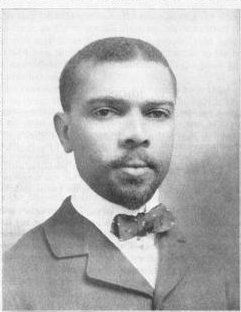
During his first few years of school he attended, Stanton, which offered blacks an...
More African Studies - History
essays:
African Americans have suffered and struggled throught history.
... exception of slavery, in the past few years and today. African Americans also suffer within the system as well in recent times. Their civil rights are ...
Treatment of the African American, Native American and Immigrant Population in America in the late 1800s.
... the black population did not have a political voice in their own country. Being an African American in this time was terrible because you were caught in between being a slave and being free. Whether ...
A brief history of the civil rights movement. Including some biographical info on Booker T Washington and W. E. B. DuBois
... part of the work of their greatest leader." In an essay entitled, "Of Mr. Booker T. Washington and Others," DuBois said that Washington's accommodationtist program asked blacks to give up political power, insistence on civil rights, and higher ...
Analyzed Essay of Martin Luther King Jr's "A Time to Break Silence" and short comparison to Thoreau's "Civil Disobedience."
... understanding of war, and need to know that it wont solve all of their problems. He then delves into the fact that although he is a civil rights leader, he ...
Religion and the African American experience
... doctrines of the Lost-Found Nation of Islam in America."(The Norton Anthology, African American Literature,pg 1816) Malcom X was one of the strongest political minds of the 20th century. Religion and the black church ...
A Study of the African-American Mosaic: A Library of Congress Resource Guide for the Study of Black History and Culture
... whites and the African-Americans. Some African-Americans believed in prospering in the United States as free citizens practicing their full legal rights. This conflicted the white man's view of using ...
Afican-American
... Revivalist, and Ras Tafari in Jamaica; and Umbanda, Macounda, and others in Brazil--are no longer only black. Black Literature. African-Americans have left a deep impression on the lore and literature of the ...
Five Journal Entries written in the voice of former president of South Africa; Nelson Mandela. Each covering a month. Details included and referenced to actual facts and events.
... definition of apartheid. Apartheid was a law unfair to black people in South Africa and it was made even before I was born. It limited our civil rights. We ... write letters no longer than 500 words every six months and eventually ...