Jean-Jacques Rousseau was an influential French philosopher of the Age of Enlightenment. Rousseau was born on the eighteenth of June 1712 and died in 1778. During his lifetime, this philosopher brought about many new thoughts and ideas that help create the societies of most countries today. Some of his ideas helped contributed to concepts such as civilization being responsible for corrupting humanity's nature, child development, possibilities of origins of inequality amongst humans, social contract, and democracy.
Rousseau put urbanization, technology, and scientific advances at fault for morally corrupting humans. As is said by Robert Hooker, "For Rousseau, the natural moral state of human beings is to be compassionate; civilization has made us cruel, selfish, and bloodthirsty." (The European Enlightenment) Rousseau also made the point that "civilization robbed us of our natural freedom. While semi-civilized humanity looked to itself for its values and happiness, civilized human beings live outside themselves in the opinions and authority of others.
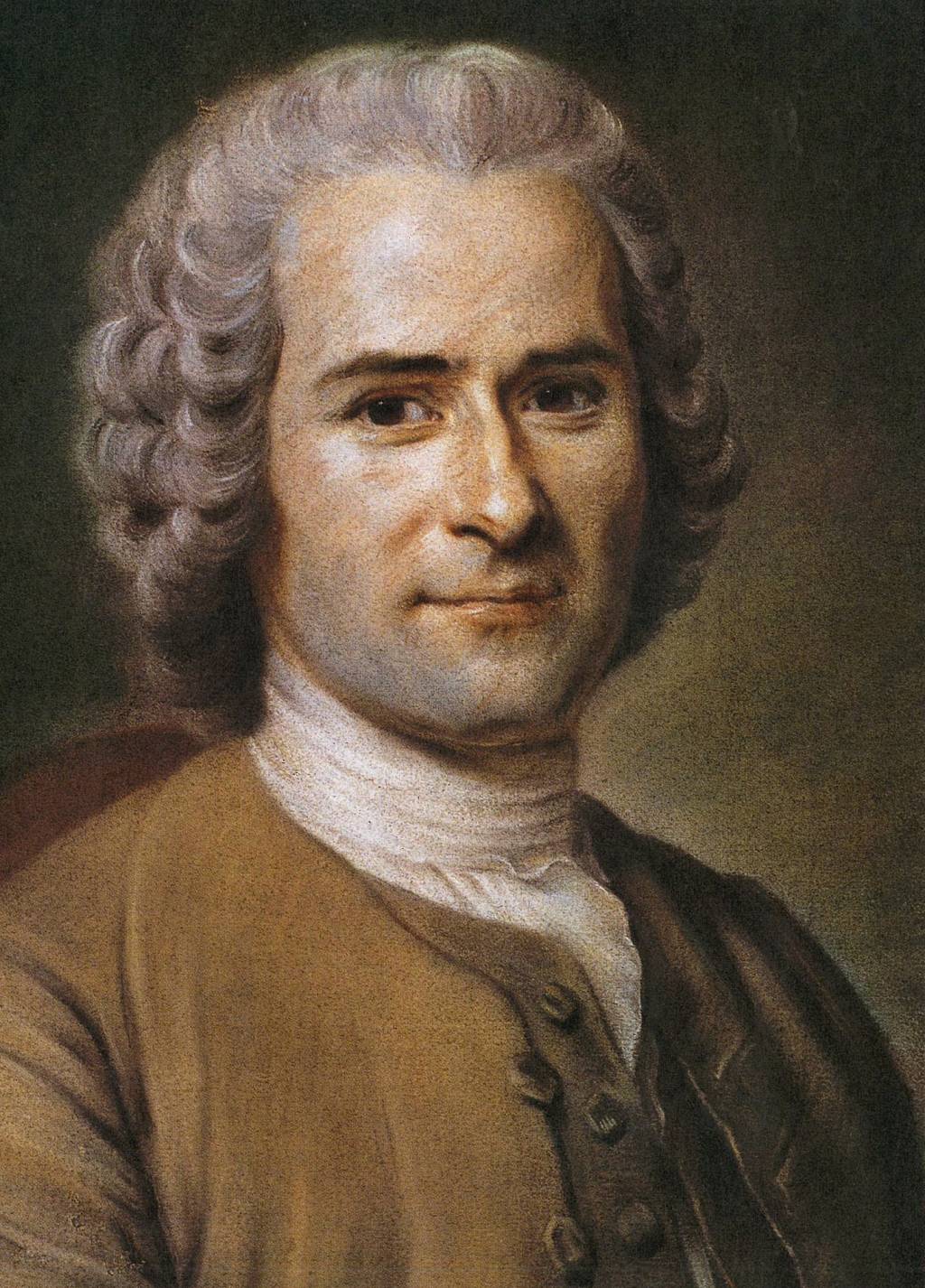 Graeme Garrard traces the origin of the Counter-En...
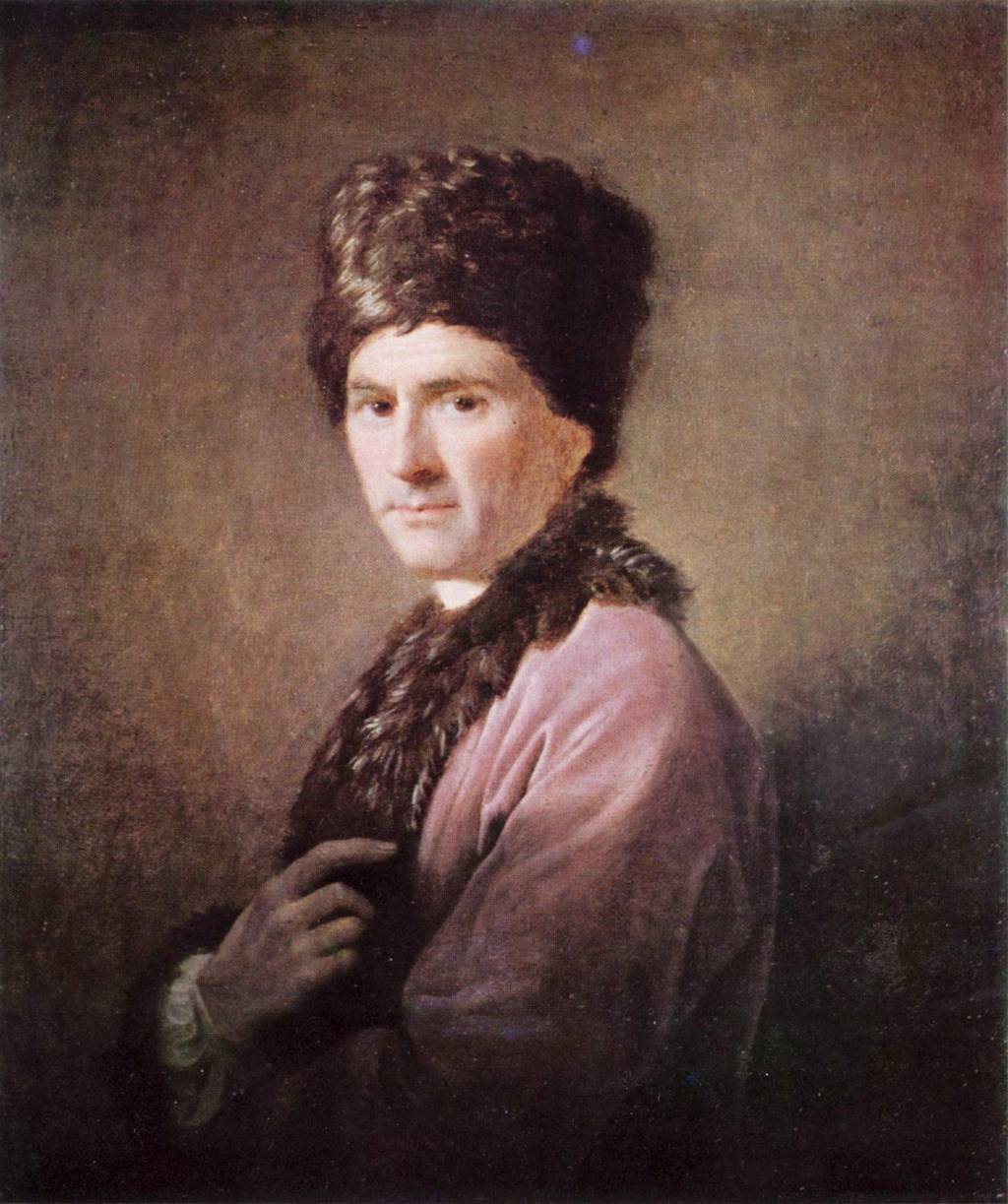 Phan studied the works of Enlightenment philosophe...
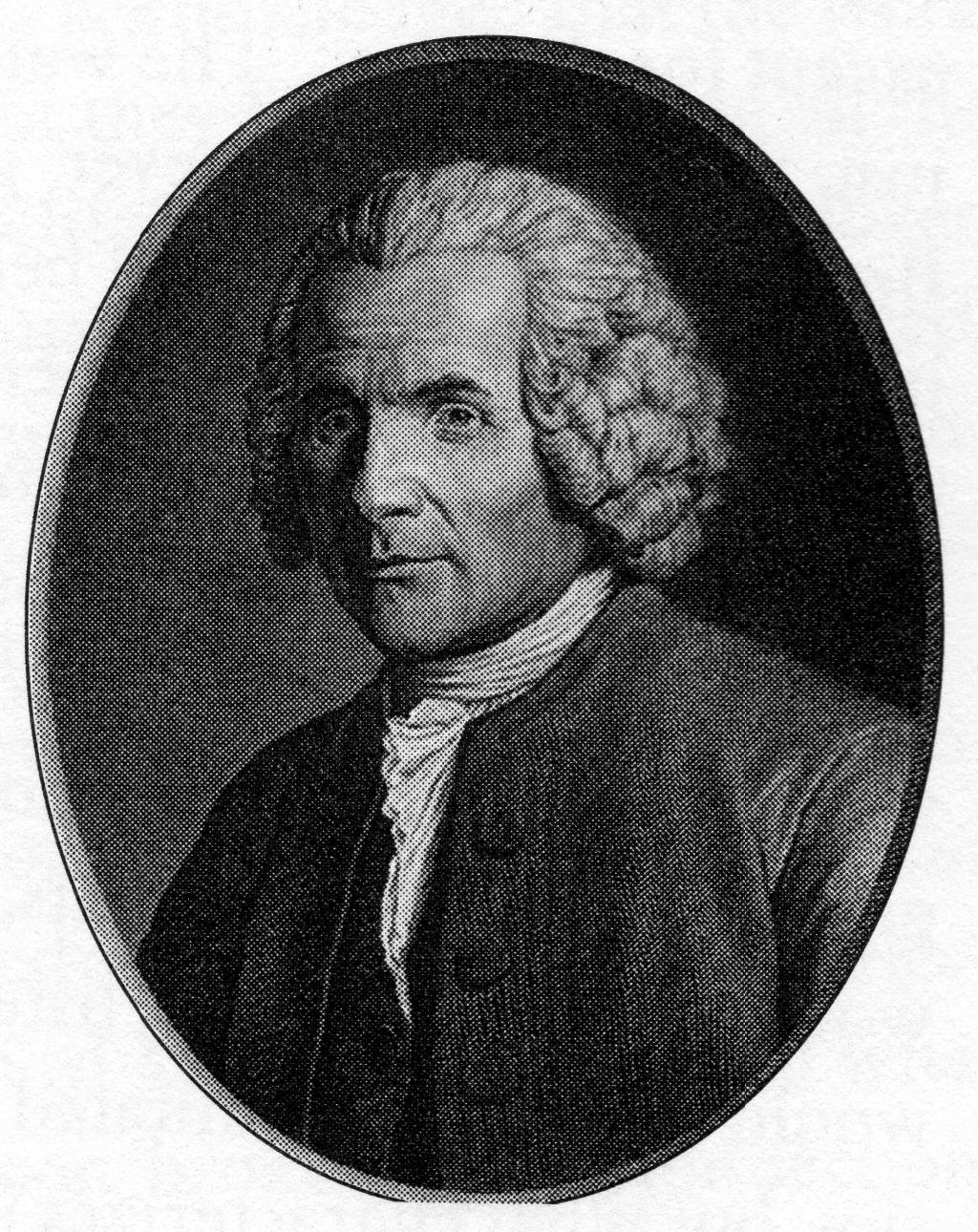 English: A portrait engraved for a posthumous edit...
The price of civilization is human freedom and human individuality." (Hooker, European) In addition, he believed that "man is good by nature and made bad only by institutions." (Scruton, 205)
Jean Jacques Rousseau's beliefs of child development were that children should be free to express their energies in order to develop themselves. "In the influential novel Emile (1762) Rousseau expounded a new theory of education, emphasizing the importance of expression rather than repression to produce a well-balanced, free-thinking child." (Froebel Web Learning through Experience) "In Emile is an unstructured, almost stream-of-consciousness work in which Rousseau uses narrative and dialogue with a fictitious son (and daughter) to expound his theory of child development, pedagogy and sociology. He shows how upbringing and social environment shape a person's personality and views." (Glossary of People) This belief is in practice more often today as opposed to this...