Chapter 2: Environmental History: An Overview
2-1 Cultural Changes and the Environment
Main Changes-
Agricultural
Revolution Industrial Revolution
Information and Globalization Revolution
Damage-
More energy and power to change and alter plant to meet our basic needs
Allowed expansion of human population (at expense of other populations), mostly because of increased food supplies and longer life spans.
Increased environmental impact because of resource use, pollution, and environmental degradation.
Hunter-gatherers had little impact on environment because
Small populations
Low technology
Low basic needs (little demand on environment to provide)
Agricultural Recolution-10,000- 12,000 years ago
Early ways of agriculture
Slash-and-burn cultivation- Cutting down trees and other vegetation in a patch of forest, leaving the cut vegetation on the ground to dry, and then burning it. The ashes that are left add nutrients to the nutrient-poor soils found in most tropical forest areas. Plots must be abandoned after a few years (typically 2-5 years)
Shifting cultivation- Clearing a plot of ground in a forest, especially in tropical areas, and planting crops on it for a few years (typically 2-5 years) until the soil is depleted of nutrients or the plot has been invaded by a dense growth of vegetation from the surrounding forest.
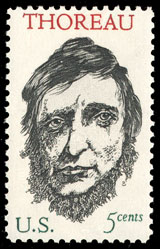 1967 U.S. postage stamp honoring Henry David Thore...
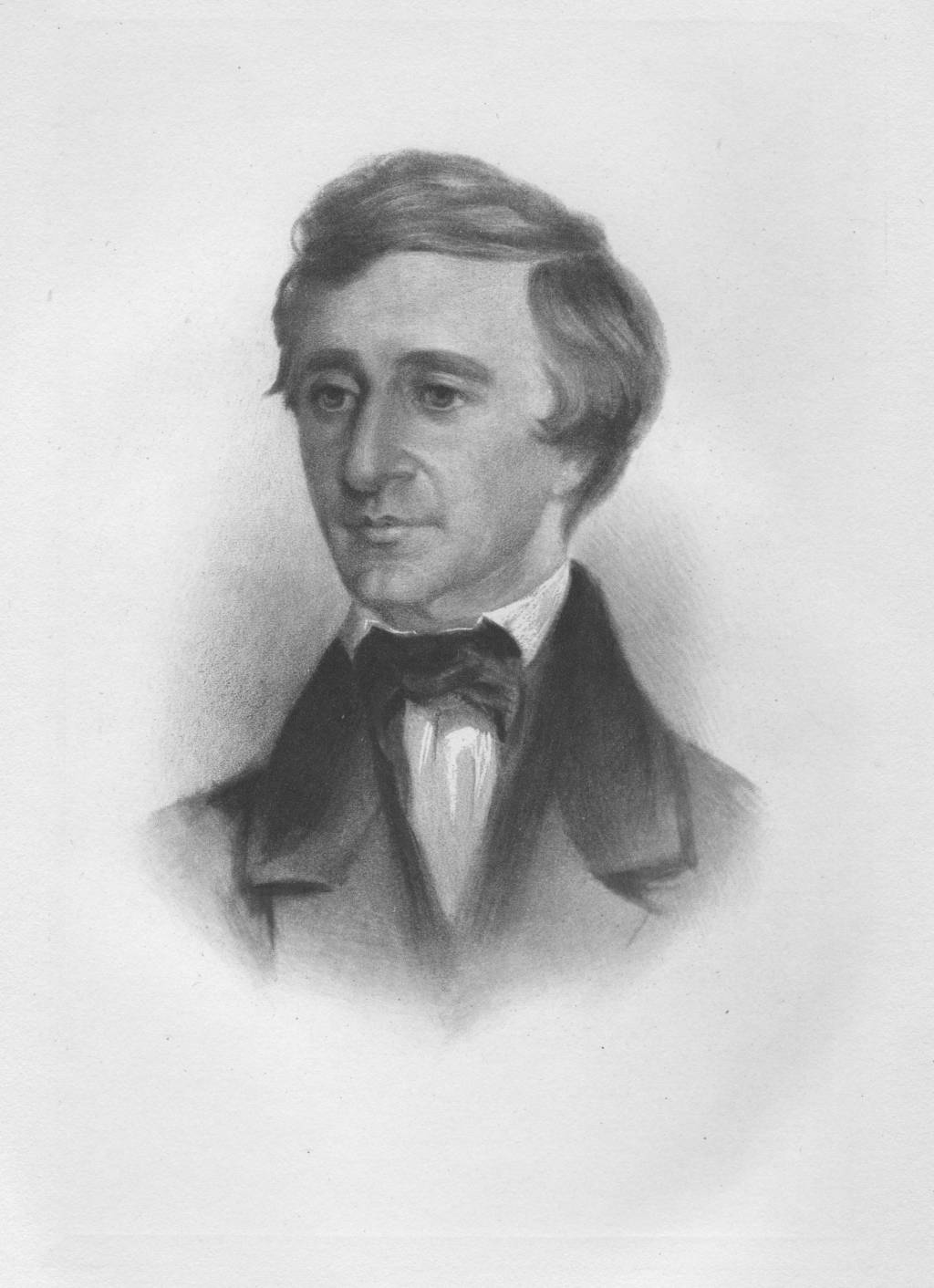 English: crayon portrait of Henry David Thoreau as...
 Quote from Henry David Thoreau on Library Way in N...
Takes 10- 30 years to return to normal.
Industrial Revolution- mid-1700s spread to the US in the 1800s
Shift from renewable wood resource and flowing water to dependence on machines running on nonrenewable fossil fuels (first coal, later oil and nature gas)
Reduced need for farmers
Information and Globalization Revolution- now
New technologies have increased the rapid exchange of information on a global scale.
Many positive sides to Information and Globalization Revolution
Helps us understand the Earth better.
Allows us to respond to the environmental problems more effectively and rapidly.
Develop computer models to make maps of Earth's environmental...