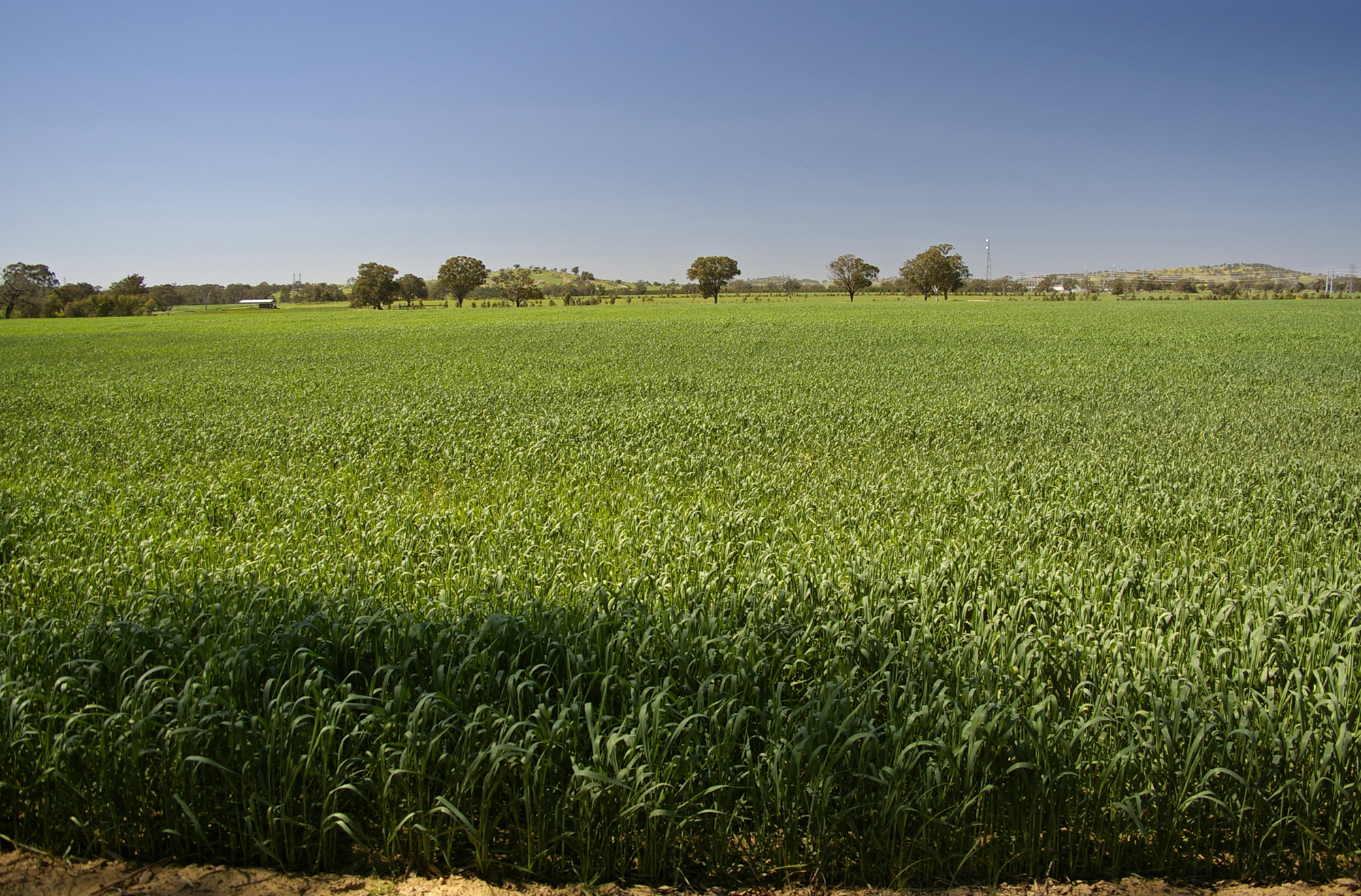
Lucerne and its imporatance in Australia
Lucerne is one of the world's most important forage crops. It is regaining popularity as a nitrogen source and as a perennial crop in sustainable low input agriculture. Lucerne is deep-rooted and one of the oldest cultivated plants in the world today. It is grown from tropical to temperate climates across Australia.
Lucerne is grown widely under dryland farming conditions or irrigation for grazing, green feed, hay and silage. It also plays an important part in pasture mixes with associated grasses.
Importance in Australia and Queensland
The horse industry is one of Australia's biggest industries and is worth more than $15 billion per annum. There are more than 1.2 million horses used for racing, equestrian sports, and recreation and there is a large breeding industry, with Australia producing the second highest number of Thoroughbred foals in the world, after the USA. This is why it is important to have a high supply of Lucerne Hay available as a supplement feed for our horses and livestock.
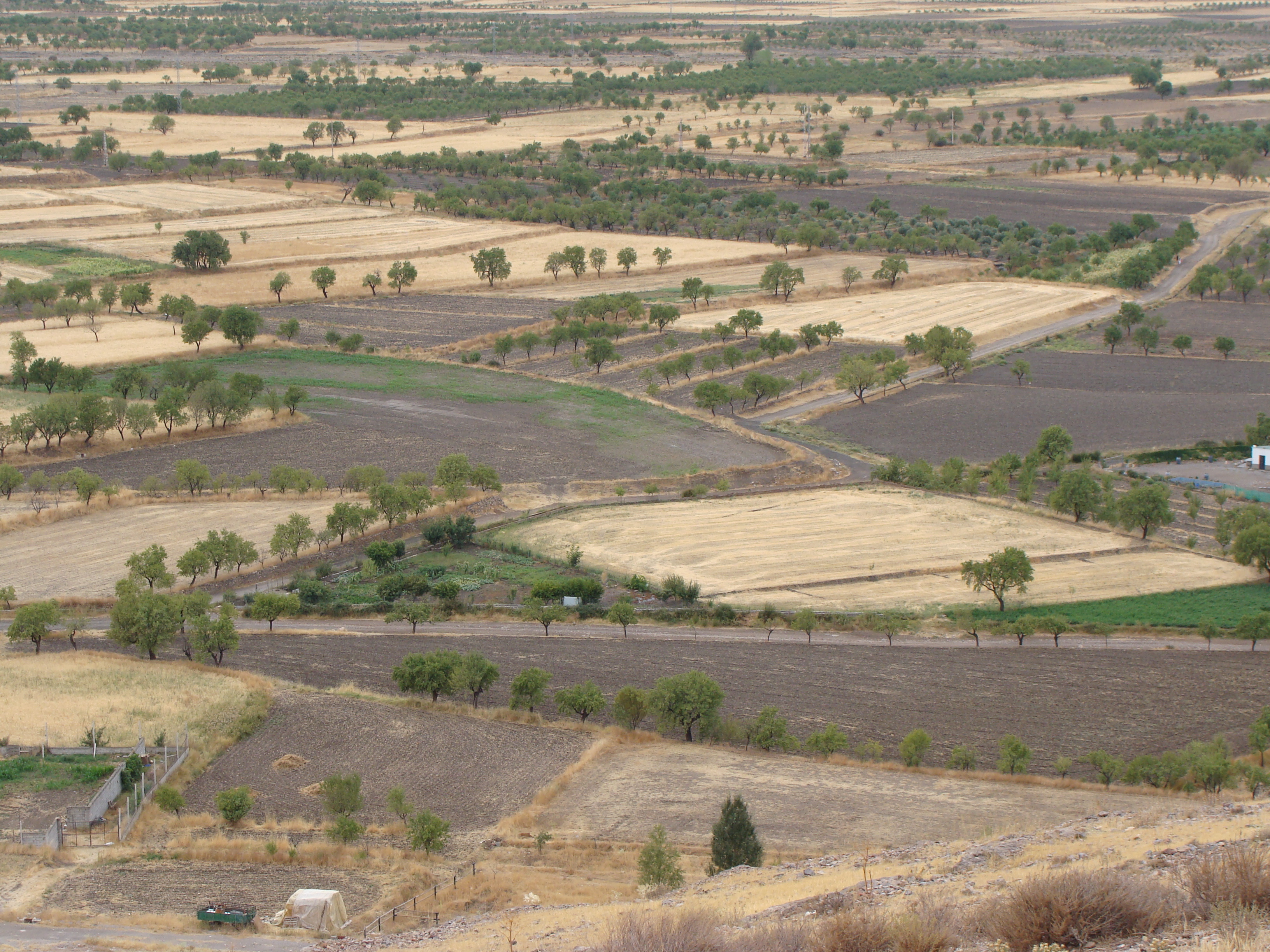
Lucerne hay production in Queensland, under irrigated conditions, is generally a 'steady but sure' cropping enterprise that rarely shows impressively high cash returns.
It is presently produced in Queensland for the domestic market and for own farm use. The majority is sold mainly to individual producers that deal directly with users. However, a generous portion of the total is sold through produce merchants and/or agents.
At this stage, very little, if any lucerne hay produced in Queensland is exported. Export customers demand consistent supplies of high quality hay. This is a severe challenge for growers in the Queensland environment, where haymaking conditions during summer can be more unreliable than those in more southern parts of Australia.
The live cattle export industry, is currently a heavy user of lucerne "cubes", a high density compressed lucerne hay...
Reviews of: "Lucerne and its imporatance in Australia"
:
More Agriculture
essays:
Brisbane Forest Park Field Study Write Up
... burrowing deep roots and concentrate on growing tall and toward ... more time for further collection of results under different environmental conditions and more trials would be a perfectly suitable extension to this ...
Discuss the negative and positive aspects of the development of agriculture. Was it, or was it not the worst mistake in the history of the human race?
... the world began to domesticate plants and animals. It is because agriculture is an efficient way to get more food for less work. Planted crops yield far more per acre than roots and berries ...
Pricing Issues in the Australian Wheat Industry
... tonnes per annum" About 75% of wheat produced in Australia is exported in raw form. This 75% of wheat exported makes up about 65% of the total value of grain exports in Australia. Graph 5: International wheat market supply Industry Structure ...
The Trend Towards Fewer and Larger Farms as Economic Growth Occurs. Covers the US
... in today's changing world farmers have been forced to increase the sites of their operations or go out of the farming business. The farming business is a way of life to most of those who do it and do ...
"A Study On Agriculture Systems" A study of four typical agricultural systems, with example. focused on the efficiency and feasibilities. Report format with sub-sections, not really an essay.
... the world's biggest ranches known as cattle stations. One such station in Australia covers more then 30000 square kilometres. At year 2001, there were 72,000 milking cows on 357 dairy farms in Western Australia. The yield per cow ...
History of Ostriches and The Australian Industry
... ostrich farm was established near Gawler in South Australia and in 1882 the South Australian Government began to encourage the industry by offering leasehold on the condition that ...
Tabacco in America
... this crop: Nicotiana tabacum; better known as tobacco, is the main ingredient of smoking products and chewing tobacco (Collins 213). Christopher Columbus discovered the tobacco plant upon his arrival at the New World in ...
This essay explores the statement "The Agricultural Revolution in Britain was economically essential and socially undesirable." seeking truths and arguments against the statement.
... their farms, as well as investing a small buisnesses. So there is quite a clear link between the Agricultural Revolution and the Industrial Revolution ... see today. Also the new enclosed-field system meant new crop rotations could be tried and tested ...
Very good
I used this for in one of my classes and I got an A!
0 out of 0 people found this comment useful.