Mayan and incan civilizations compare/contrast
Compare and contrast essay on the Mayan and Inca
In this essay I will compare and contrast the Mayan and Inca civilizations. Each civilization has many similarities and differences, and can relate to each other in different ways. This essay will introduce you to the basic similar and different topics that each have.
The Mayan and Inca civilizations were both very ancient. Today there are still some people of both back round. Most of the people today that have either of these two back rounds are more known by their Mayan back rounds, considering that the Inca civilization only lasted 100 years and the Mayans longer. The Incans were taken over by the Spaniards. When the Spaniards came they burned many of the Incas possetions.
People today think that when the Spaniards took over the Inca civilization, they had burned the books of hieroglyphs. So the only civilization known for their writings are the Mayans. Today's scientists have discovered 40% of the hieroglyphs from the Mayan civilization.
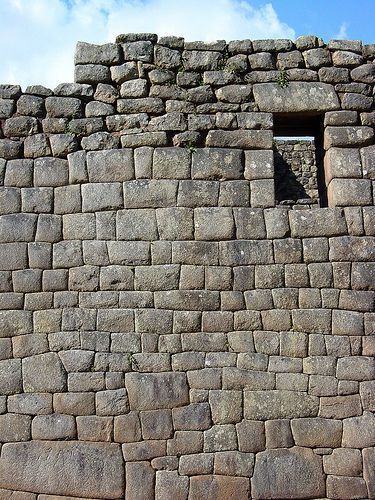
In both civilizations, each believed in gods. The Incas believed that the sun was their ultimate god. Both Mayans and the Incas were fascinated by the effects of Mother Nature, by the moon, sun, mountains, rain, and thunder.
In both civilizations, they had their own beliefs some similar and some different. The Mayans thought that by pleasing the gods they would sacrifice people, and animals as gifts. The Incas mummified their dead and brought them back when special occasions came into being.
So as you read more and more about each civilization you learn that they each are very similar and very different.
More North American History
essays:
The Causes of the Civil War. It is based on the book called The Coming of the Civil war by Michael Perman. It discusses the arguments in the book as to why the war took place.
... growing contrast between farm and non- farm occupations in the two sections. In 1800, eighty-two percent of the Southern labor force worked in agriculture compared with ...
Spartacus
... stay and eat in return for their work. 4. How did slavery in ancient Rome contrast with slavery in the United States of America? Slavery from time to time will tend to vary. Just because different ways of ...
Compare and contrast the War of 1812 and the Mexican-American War.
... a similarity because the Chesapeake/Leopard Affair happened in US Territorial waters and so did this first attack in the Mexican American War. However, one of the big differences between ... than the north does. And the same with all wars way back when, more men died of infection and disease than on the ...
The Contrast of Franklin D. Roosevelt and John F. Kennedy's Inaugural Speeches.
... History and both share similarities and differences. Though they might be similar, the differences are ...
Affirmative action where it all begun to the present. .
... of a job, promotion or school admission would have been different if race and gender policies had not been a major cause of their ... 1968 gender was added. While the original goal of the civil rights movement had been to remove barriers so that all ...
There are points in American history where certain groups cultures or individuals either directly affected the progression of the country or the progression of the country affected them.
... many different ways. In 1762 an enterprising and ambitious ... encountered what he believed to be Indians unspoiled by European civilization. As shown in his paintings such as River bluffs which should the beauty of the Indians land and the Native pride seen in portraits like Mah-to-toh ...
Essay on "Grapes of Wrath" by Steinbeck. Examines the different ways Joads tried to keep united within the family or with others who shared the same struggles and sufferings.
... Joads, and a tale of a courageous family who sought security and family unity. In my paper I will examine the different ways the ...
Essay on The Great Depression in America during the 1930's and what people thought of President Herbert HOover.
... of the Trans-Mississippi West into the Dust Bowl situation. It turned one hundred million acres of land to dust and contributed greatly to the hardship suffered during this time. However, even as the situation grew more serious, Hoover's optimism ...