The Mayans, The Aztecs, And The Incas
From 250 A.D. to the late 1500's A.D., three advanced civilizations, the Mayans, the Aztecs, and the Incas controlled Central America and South America. Each of them was different but all shared some of the same qualities. They all were civilizations that had a daily life than revolved around religion. Their religions also required a lot of human sacrifices to please the gods. Also, they all invented calendars that were surprisingly accurate compared to the calendars today. One of the calendars was less than a minute from being exact. Finally, they all declined for many different reasons but the Spanish conquistadors was one of the most common and deadliest, due to their advanced weapons and the diseases they brought. But even thought they all had mysterious declines, these ancient civilizations of Latin America were very advanced and had many great achievements.
The earliest Latin American civilization was the empire of the Mayans. They controlled most of the Yucatan peninsula and part of southern Mexico. The Mayans were known for their advanced math skills. They invented the number zero and developed a sophisticated counting system; the Incas also had an advanced counting system like the Mayans. Mayans communicated through the use of hieroglyphics. They had over 800 symbols that represented things like words, syllables, days, and numbers. The Mayans were also well known for their new type of farming. They called it slash and burn farming in which they cut down all the trees in an area, then they lit the area on fire, so that the ashes from the trees would enrich the soil and make it better to grow in. the decline of the Mayan empire is a mystery still to this day. The most popular theories are that the soil became infertile, so they ran out of...
More Central & Southamerican History
essays:
Compare and contrast the Aztec civilization and the Mayan civilization.
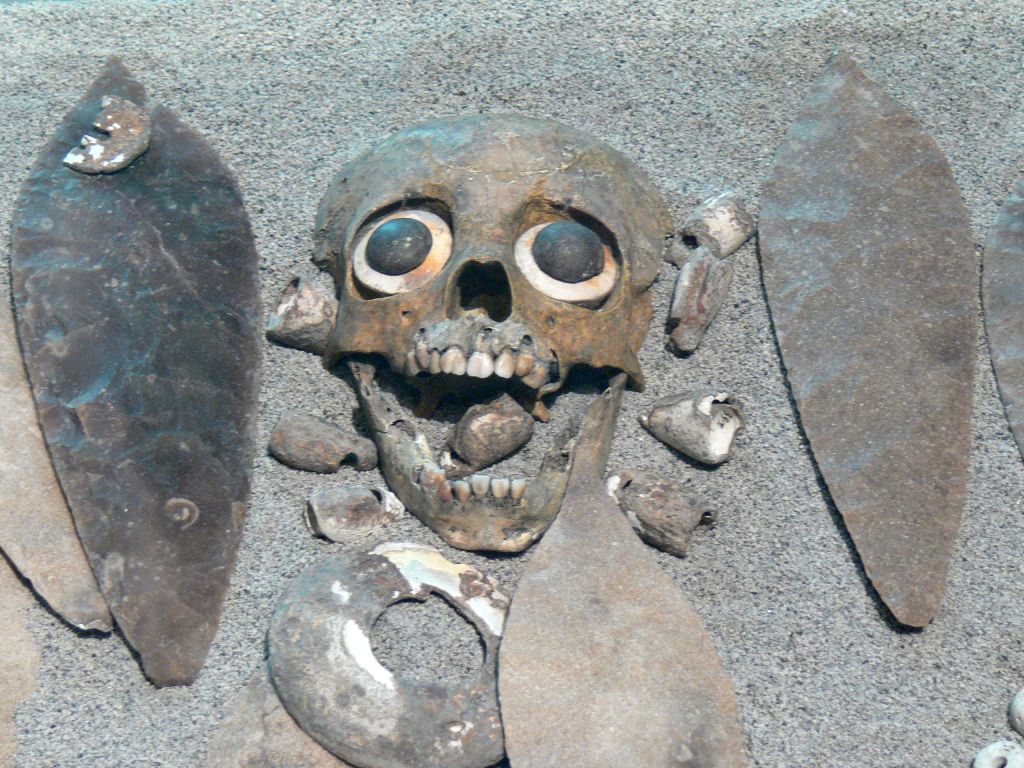
... of Aztec religion is their human sacrifice made to the different gods. Although human sacrifice was practiced around Mesoamerica, the Aztecs practiced human sacrifice in ...
The comparison of Aztec and Mayan Religion.
... the Aztecs with life. This was the origin of human sacrifice and the ritual of taking severe physical pain, which believers intentionally caused themselves. The customary warmth of the Mayan religion was ...
Cortez and The Fall Of The Aztec Empire
... ending human sacrifice (all of which were sacred rituals to the Aztecs) (Marrin: 183-185). In one case, the conquistadors had ... Inc. Ancient Civilizations: Fall of The Aztec & Maya ...
Earthquakes, Eruption and Ecocatastrophes: The Troubled Times of Latin America
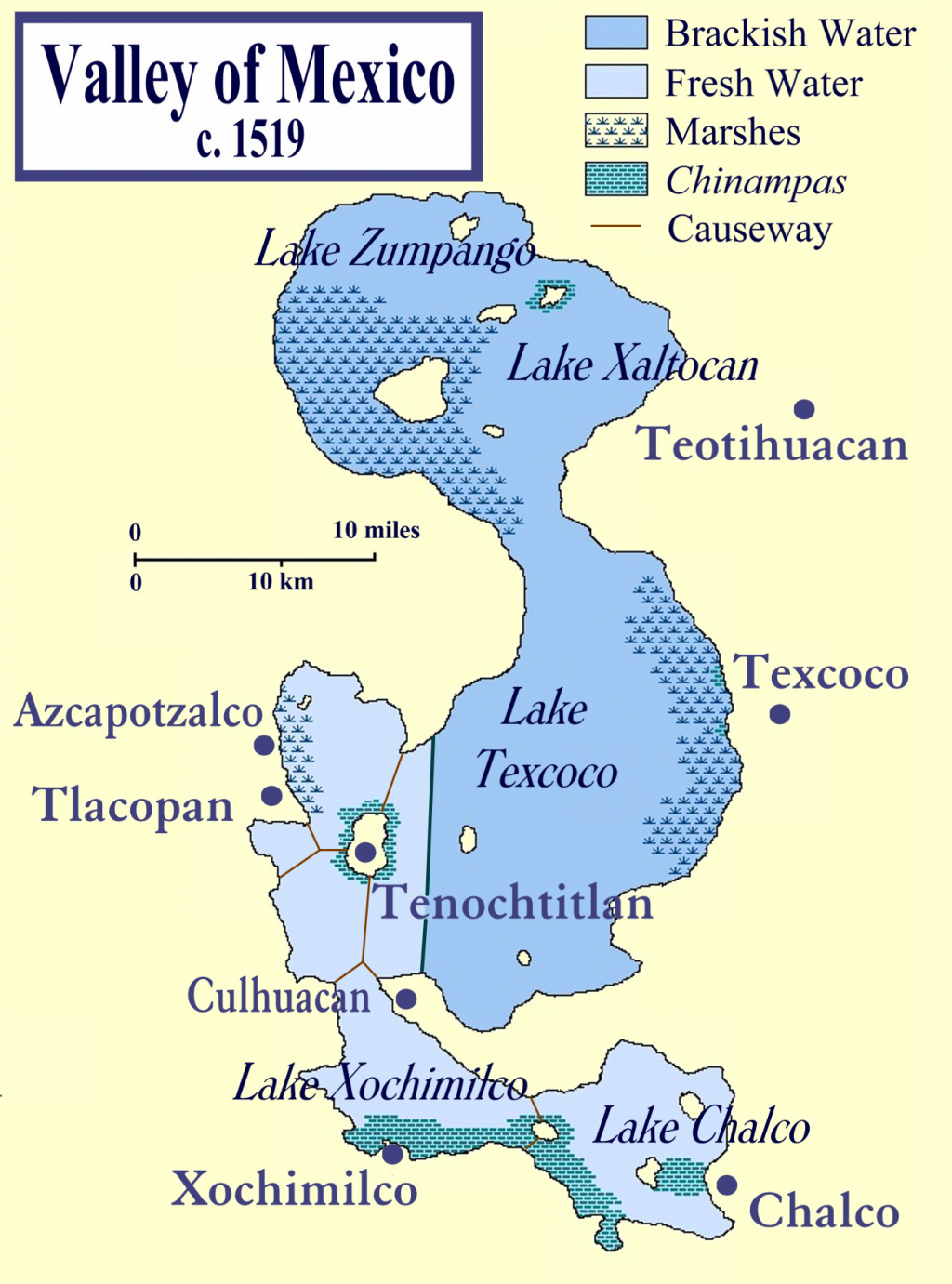
... other Latin American cities, it was ironically more vulnerable to them as well. The city had been built on top of Lake Tenochtitlan, the ancient capital of the Aztec world ...
The History of the Virgin of Guadalupe and the views of her from Young Mexicans, old Mexicans, and myself (an international student living in Mexico).
... and human sacrifices ended. Opinions: (My own): Prior to this project I hadn't known much of the Virgin of Guadalupe and I think it is safe to say, that most Canadians (and probably Americans) don ...
Latin American History from 1950 Onwards: Focusing on The Motorcycle Diaries by Ernesto Che Guevara, and The Art of Political Murder by Francisco Goldman
... in Latin America, however, as in other Latin American countries ... This was a major mistake, since Guatemala population was mainly Mayan, and thus the majority of the population was poor. During the period of 1960 to 1996 Guatemala was in a civil ...
This is a research essay about the mafia and the people and events in it. It mentions many of the biggest names in the history of the mafia. It also enlightens us to the early beginning of the mafia.
... Camorra for a long time. In the 1890s thousands of men from the mafia came to the United States of America in hope of new opportunities. The mafia is broken down into various families. It may not necessarily be a relation ...
Despite persistent rural urban migration in Latin America, the agricultural sector has continued to be of vital importance during the last seventy years. Explain give examples.
... that led to the oppression of the labourers in many Latin American countries. In 1917 Latin America saw the first Agrarian reform in Mexico where many haciendas ... variety of crops. Ever since the Incas civilisation, agriculture has been the main occupation for the people of Latin America. Both men and ...