Meiji Restoration the reforms in education maintaing the new regime
The Meiji Restoration occurred through a number of substantial changes to the old Tokugawa regime. The most significant of these changes, however, in permanently implementing this new regime, was the modernisation of the education system. The goal of the Restoration period was to learn from the western countries by borrowing the best technology available, whilst avoiding the mistakes traditionally associated with industrial development. With the power of hindsight, Japan successfully enriched the nation and strengthened their military.
To fully appreciate the improvement in education brought about by the Meiji Restoration, it is important to examine the state of affairs in the Tokugawa period, from 1600 to 1867. Albert Craig has commented on the transition into Restoration, saying, "Dissatisfactions were not the sole or even the chief internal factor determining the course of the Restoration. On the contrary ... the Restoration stemmed more from the strength of the values and intentions of the old society than from their weaknesses."
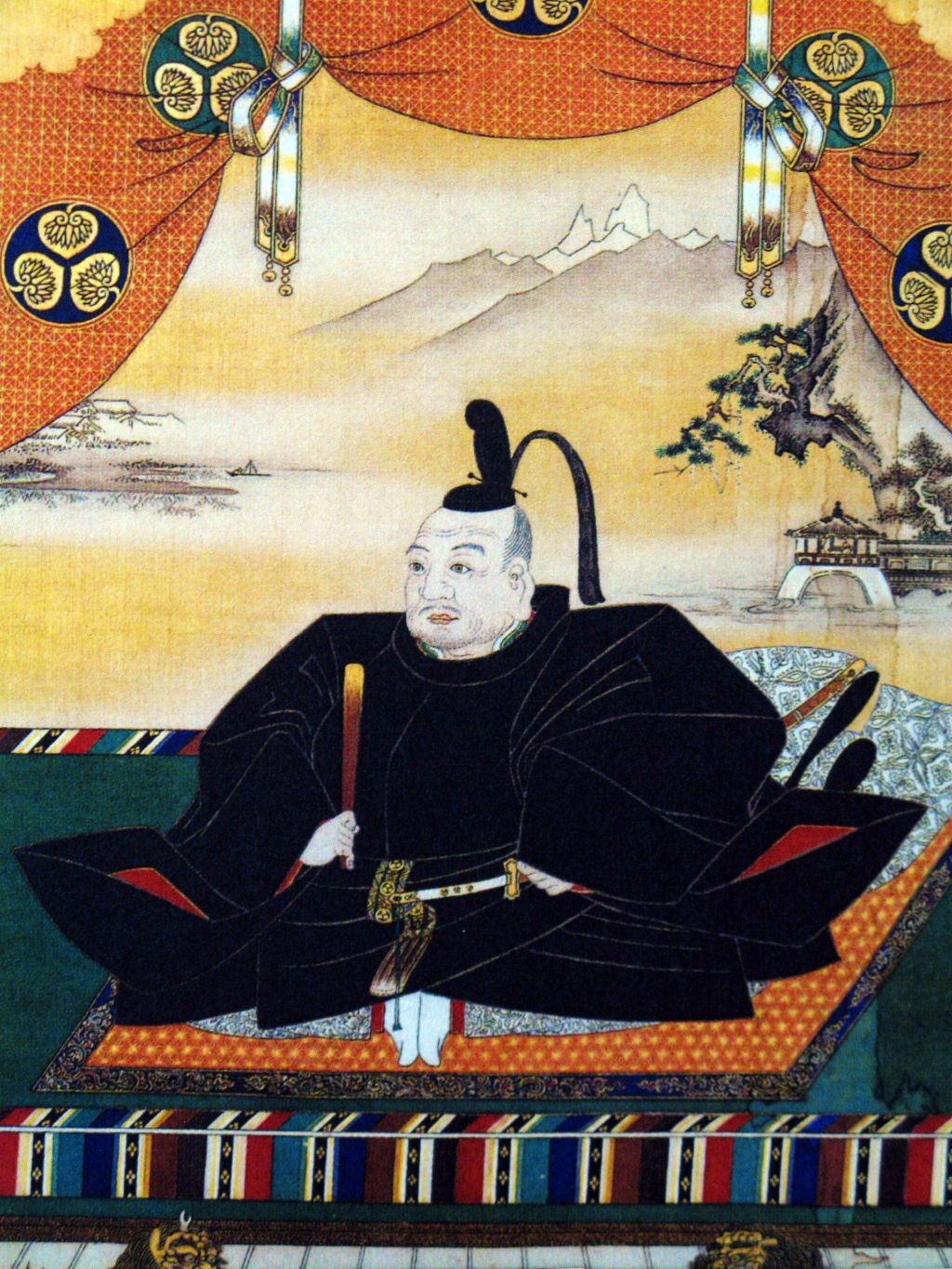
The Tokugawa regime had reunified Japan by 1603; and by 1640, foreigners had been ordered out of Japan, Christianity banned, and virtually all outsider contact prohibited. The nation then entered a period of isolation and relative domestic tranquility, which was to last 200 years. When the Tokugawa period began, few common people in Japan could read or write. By the period's end, however, learning had become widespread.
Samurai curricula stressed morality and included both military and literary studies, as well as arithmetic and calligraphy; their formal education and literacy increased proportionally. Education of commoners was generally practically-oriented, providing basic training in reading, writing, and arithmetic, emphasising calligraphy and use of the abacus. Tokugawa education left a valuable legacy: an increasingly literate populace, an ideology based on merit, and an emphasis on discipline and competent performance. Under subsequent Meiji leadership, this foundation would...
More Asian History
essays:
Philippines: China/Taiwan A writing of a pretend repersentive from the Philippines on their status and point of view on the dispute issue of China and Taiwan
... to develop trade and economic relations with Taiwan in 1990. Based on the historical relations with China and Taiwan and how hard the Philippines tried to keep peace among them; the Philippines announced a neutral status with upholding the agreement of ...
Importance of the Emperor in chinese history and development
... country as a whole. The structure consisted of the emperor at the top, then came the Scholars and Gentry who were Confucian educated and usually landowners. The Peasants were next, and while most were poor, they were still higher on the ...
The War in Afghanistan and its History
... a country in central Asia, is in a state of war with the United States of America for several years nowadays. The war also known as the Operation Enduring Freedom began on October 7, 2001 as a response to the terrorist ...
Attention has been focused on the emergence of radical groups associated with Islam in Indonesia. Discuss if this is a new phenomenon in Indonesia.
... aim of establishing an Islamic state but saw ridding the country of communism a common aim (Bruinessen 2002). Post-independenceThe period post independence created a stable country with ...
What brought the downfall of Suharto and the New Order? To what extent were these factors outside the regime's control?
... However, the restricted political system of the New Order had neither channels nor the ability to affect such change. The regime's running of this state of affairs was ...
The continuing foreign control over much of china, and ever-increasing influence of Japan doomed china for a state of political and social destress from 1911 to communist victory of 1914
... Republic on the 10th of October 1913. He had gradually dissolved the provincial and national paliaments thus leaving him the unchallanged dictator of China. Yuan was The President of the Republic of China for a short period of time ...
Korean War - The Conflict in Korea
... party countries into political and ideological disputes, such as the ongoing dispute between the United States of America and the USSR. There were many conflicts between the communists and capitalists during the Cold ...
The Ch'in Dynisty.
... fighting on horseback, and when they began to wander into the northern states of China, they made threatening opponents for the northern states. In response to these attacks, the northern kingdoms all during the Chou period built ...