Modern Architecture? Time, technology, form, culture, and society are individual parts of the world we live in. We deal with each one of these elements every day of our lives no matter what the future brings. I believe that time, technology, form, culture, and society are the driving force for modern architecture. The future of architecture is a more philosophical approach to situations presented to us as opposed to the materialistic approach taken in the near past. The use of modern technology from the audio and video realm in architecture will allow us to expose many things in architecture that have never before been exposed. Social and cultural norms will be exposed and exploited with the use of this technology. Two architects who are leading the way in this cutting edge way of thinking are Elizabeth Diller and Ricardo Scofidio. Their philosophy of combining time, technology, form, culture, and society has just recently been discovered and their work is being published widely now.
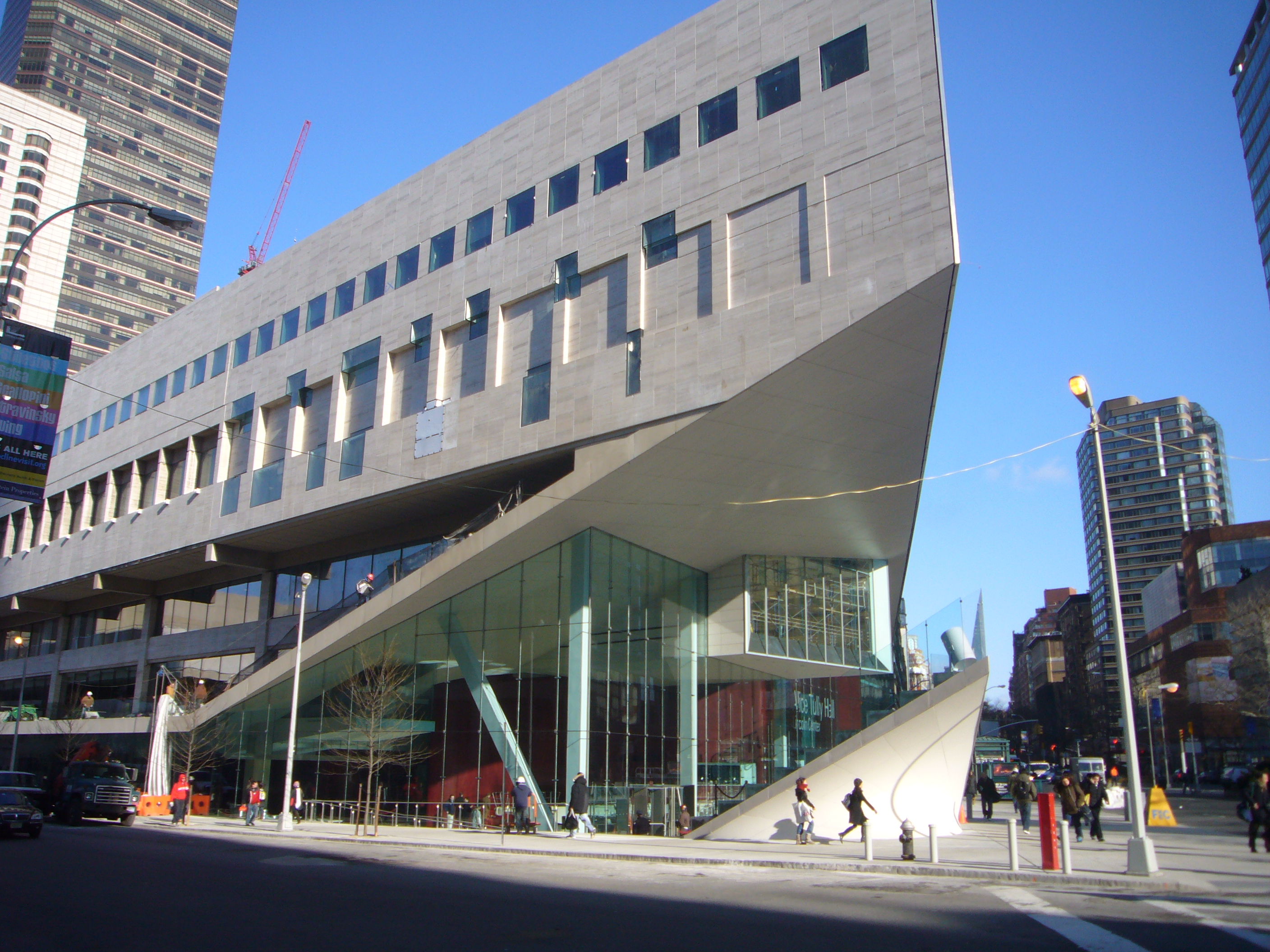 English: Photograph of the renovated facade of the...
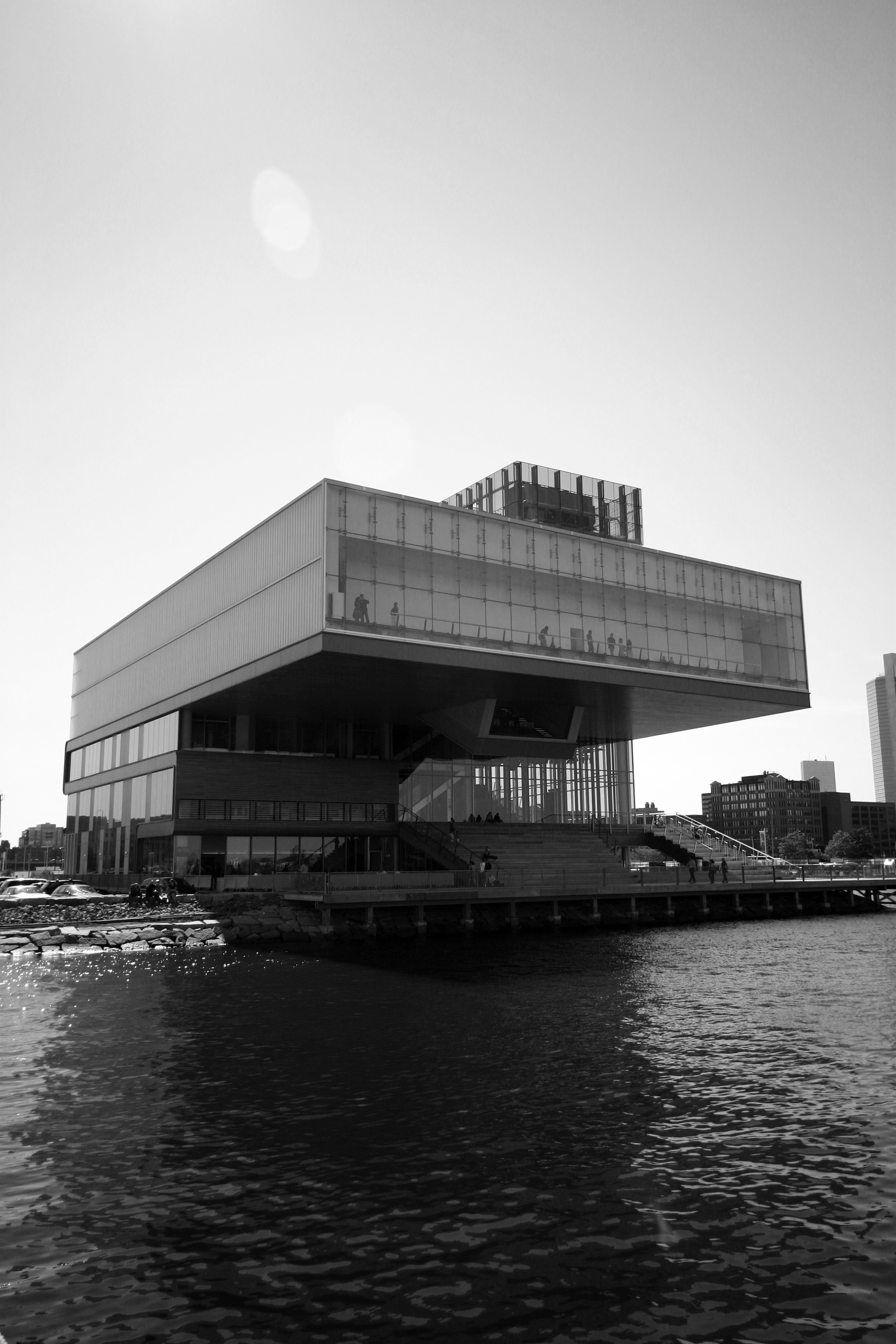 Exterior shot of the ICA, Institute of Contemporar...
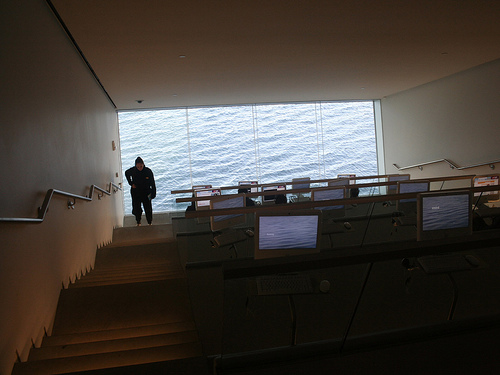 Diller and Scofidio, ICA Boston, 2006
I believe this is what modern architecture is going to be defined as. Over the course of this paper I will take a look at some of Diller + Scofidio?s projects and expose this philosophy of a new modern architecture.
To provide a brief background on them, Elizabeth Diller was born in Lodz, Poland in 1954. She came to America following high school and attended the Cooper Union School of Architecture from 1974 to 1979. She graduated from Cooper Union in 1979 and worked there as an assistant professor from 1981 to 1990. She is currently an assistant professor at Princeton University. Ricardo Scofidio was born in New York in 1935. He also studied at the Cooper Union School of Architecture from 1952 to 1955. He then transferred to Columbia University and graduated from there in 1960.