Modernization
The perspectives of Weber, Marx, Durkheim, and Toennies all share the common
concept of modernization and the character of a modernized society; however, each had
relatively unique perspectives of the positive and negative effects on our society.
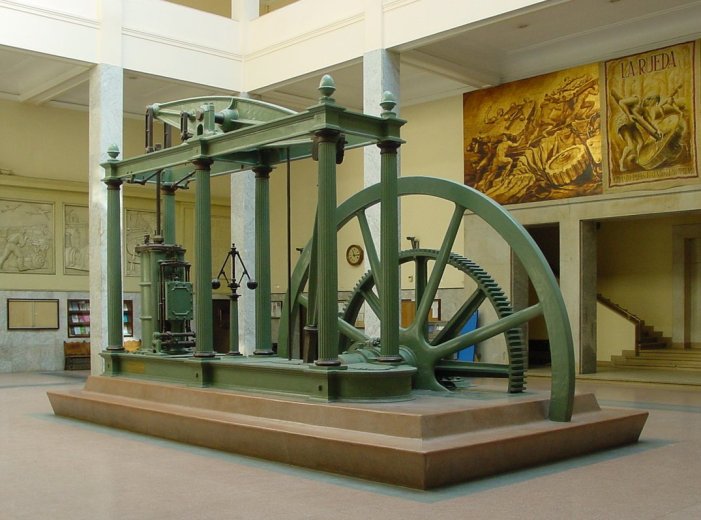
Each attributes the cause of modernization to the Industrial Revolution, citing the
development of a new mutual dependence based on economic diversity as opposed to
traditional communities based on close ties to family, friends and a shared specific
economy. Increased urbanization results in a greater percentage of the general population
living in highly industrialized areas with specific economic activities. Capitalism relies
on the increased efficiency of industrialization in order to progress, which requires
individuals to develop highly specialized skills. This results in a necessity to rely on
others to provide the necessities of survival, and a new sense of society develops.
Toennies believed modernization would lead to an impersonal society with individuals
associating based on their own their personal needs, a state he called Gesellschaft in
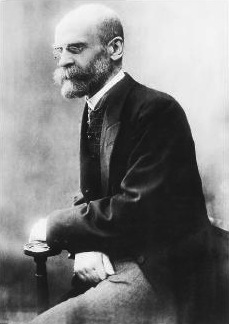
contrast to Geimenschaft, the traditional sense of community. Durkheim had a more

optimistic view of modernity, recognizing the diversity this would develop, but worried
about the possibility of such diversity resulting in variable, fragile morals and societal
standards. Weber believed that modernization would lead to an upheaval of traditional
beliefs and a disillusioned society where rational thought would consume us. Marx saw
capitalism as the new basis for our society. He recognized the aforementioned effects, but
felt that they were necessary steps on the path to modernization and capitalism. The
perceived anti-capitalist views held by Marx, are somewhat inaccurate. While
disapproving of capitalism in principle, he saw capitalism as being the cause of inevitable
social upheaval and a classless society with all the benefits and technologies of industry
being applied to benefit all of mankind. Forced social...
More Sociology
essays:
Future of Modernization
... through industrial revolution, urbanization and other social changes that alters peoples lives. Modernization promotes individualism over the unity of traditional communities and encourages rationality over traditional philosophies. Modernization can have both positive and negative effects on ...
Modernization
... through industrial revolution, urbanization and other social changes that alters peoples lives. Modernization promotes individualism over the unity of traditional communities and encourages rationality over traditional philosophies. Modernization can have both positive and negative effects on ...
Modernization
... through industrial revolution, urbanization and other social changes that alters peoples lives. Modernization promotes individualism over the unity of traditional communities and encourages rationality over traditional philosophies. Modernization can have both positive and negative effects on ...
Modernization and Indigenous Cultures
... the Industrial Revolution weakened the social bond of families and communities by emphasizing the impersonal business attributes like money, efficiency, and self-interest - Gesellschaft. Tönnies belief was that modernization turns ...
Future of Modernization
... the Industrial Revolution weakened the social bond of families and communities by emphasizing the impersonal business attributes like money, efficiency, and self-interest - Gesellschaft. T�nnies belief was that modernization turns ...
Modernity
... both positives and negatives .I believe Karl Marx is a good example of this , although he recognized the advances brought about by the transition from earlier societies .He mainly concentrated on what he saw as a negative side , the modern economic ...
Functionalist Issues in Sport
... for positive and negative in equal amounts. Sports offer small and large communities a ... social economic system in that year graphic air also begins to rise as investors more readily willing to developed new industrial areas and all ...
What are the key assumptions of rational choice individualism. Are they valid assumptions? Cite examples to support your examples.
... a positive and negative. The positive component reflects the sale of the animal, the negative the ... been traditionally seen as present alongside tradition, emotion and other value oriented action. Traditionally the great sociologists such as Durkheim, Weber and Marx have all found economic rationalism ...