Throughout Newfoundland's independent history, the former dominion has struggled for its existence. After World War Two, the people of Newfoundland had to decide how to govern themselves. This hesitant decision made by a slim victory concerned not only those living in Newfoundland, but also Canada and Britain. The purpose of this essay is to explain the nature of the debate that accompanied Newfoundland's entry into Canada in 1949. Newfoundlanders found themselves responsible for choosing the destiny of their children. Britain, Canada and even the United States had stakes in Newfoundland's future, making their decision even more influential. Newfoundland eventually joined Canada, but did so later than any other province due to its political, geographical and social distance from the rest of Canada. This step, however, was as necessary, essential and fundamental as it was appropriate to the economic and social success of Newfoundland.
After World War II, the British felt that confederation with Canada was the only future for Newfoundland, and were reluctant to consider anything that would create any more burdens from the dominion, financial and otherwise.
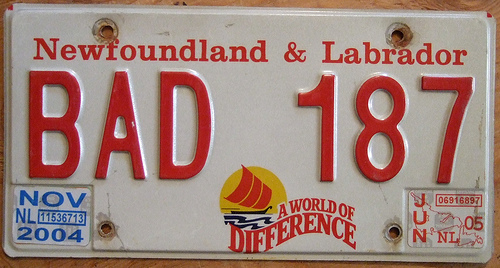 NEWFOUNDLAND 2005 license plate
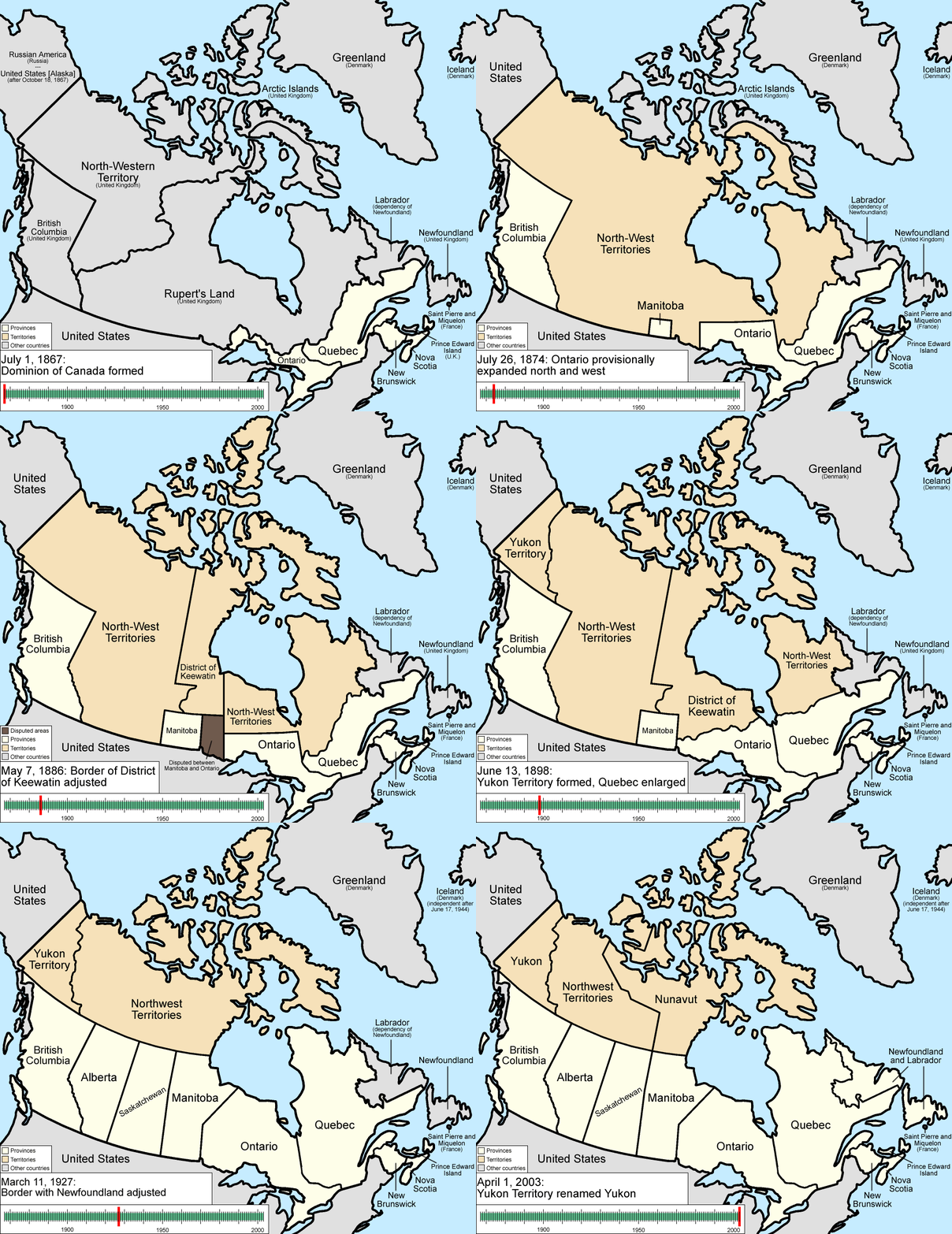 Internal development of Canada's internal borders,...
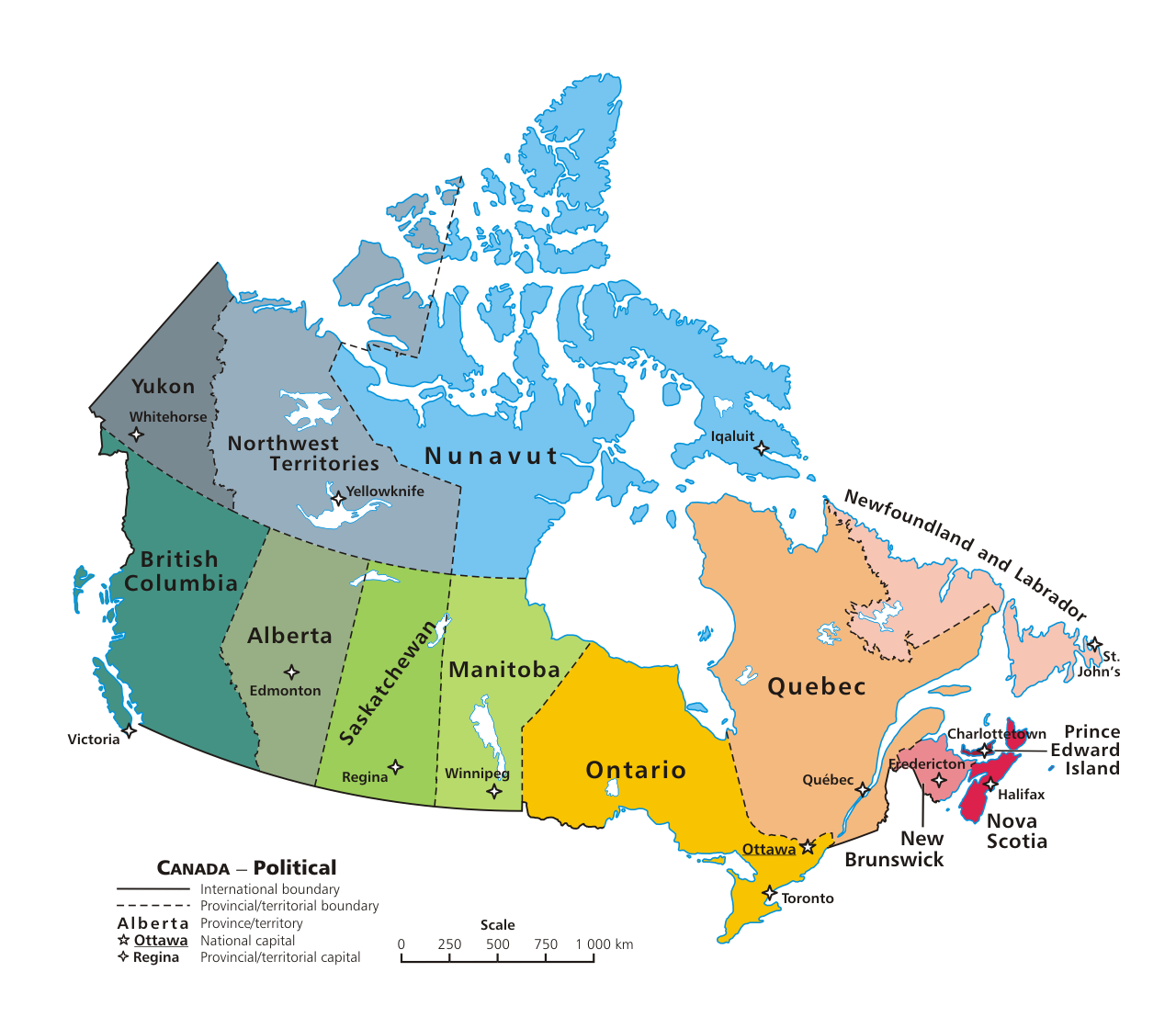 English: A map of Canada exhibiting its ten provin...
The British commission of government had taken over control of Newfoundland in 1934, and there had been no forms of public representation since then in the government. The British governments thought that Newfoundland should join Canada, which would be best for Canada, Britain and Newfoundland alike. The commission of government would have to be terminated after the war, and a solution for this problem would have to be found. Clement Attlee, the Dominions Secretary, visited Newfoundland in 1942. He was not particularly concerned about the lack of democratic representation in Newfoundland, but he came to understand that any decision the Newfoundland public would have to make should be an educated one. This meant that there would have to be a significant...