NIKE
Nike
Remy Ajluni
Adam Brook
Anthony Colletti
Elizabeth Crompton
Conrad Pilewicz
Michael Ramos
Current nature and structure of the athletic footwear industry:
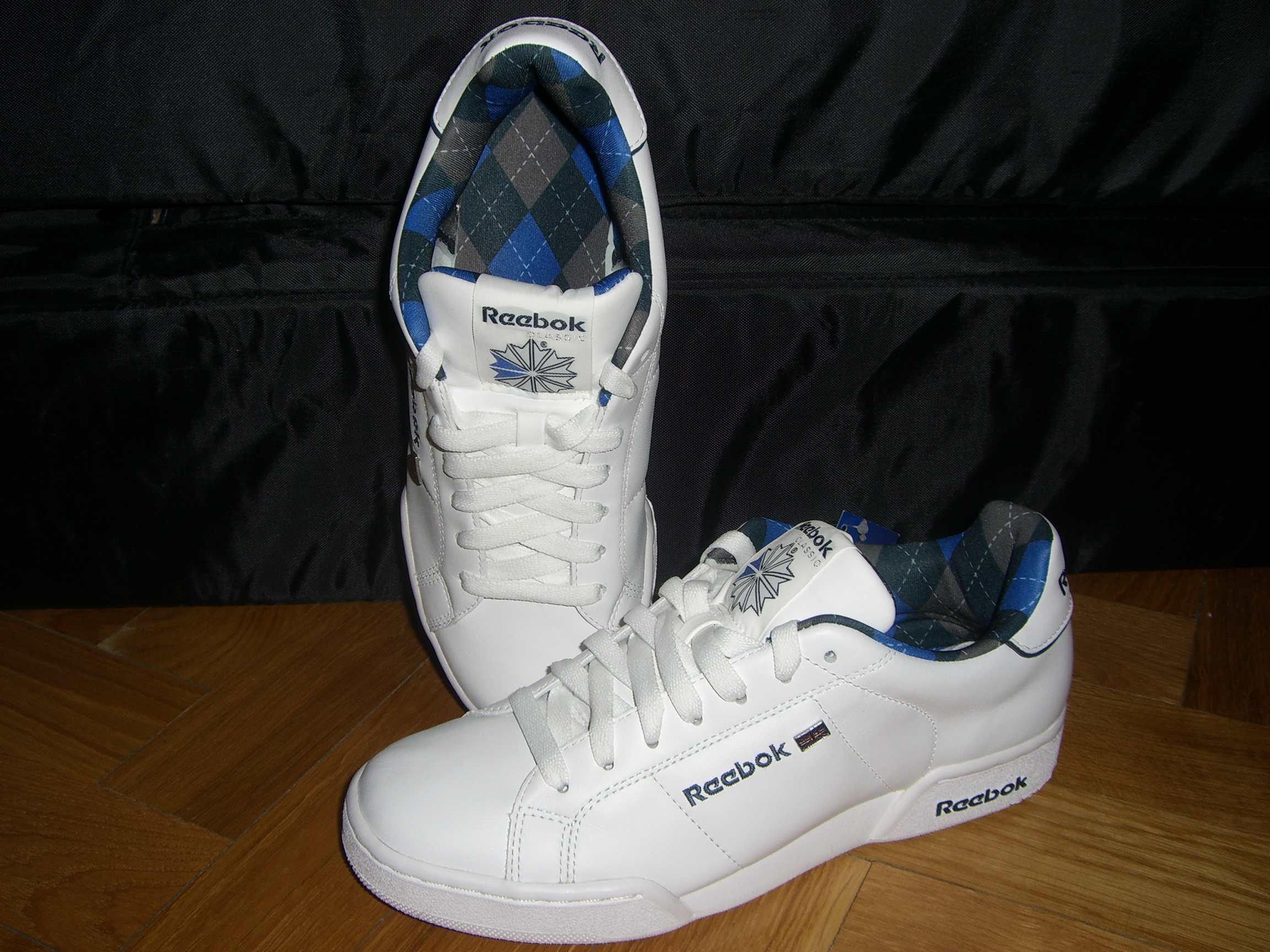
The athletic footwear industry is a highly competitive environment where the top four manufacturers hold over 70% of the market share. The barriers to entry into the industry are comparatively low, as anyone with new creative design ideas can produce and market their product, but the success of smaller companies is oftentimes shaky. Brand loyalty, ample capital, and broad based sourcing create an environment where the bigger companies such as Nike and Reebok have little trouble maintaining market share. Nike enjoys the largest share, with 42.3% of the nearly $8 billion market in the year 2000. Reebok was second with 11.9%, Adidas had 10.8%, and New Balance had 9.6% of the market. The remaining 25% must be divided among the numerous smaller companies fighting for a shot at survival.
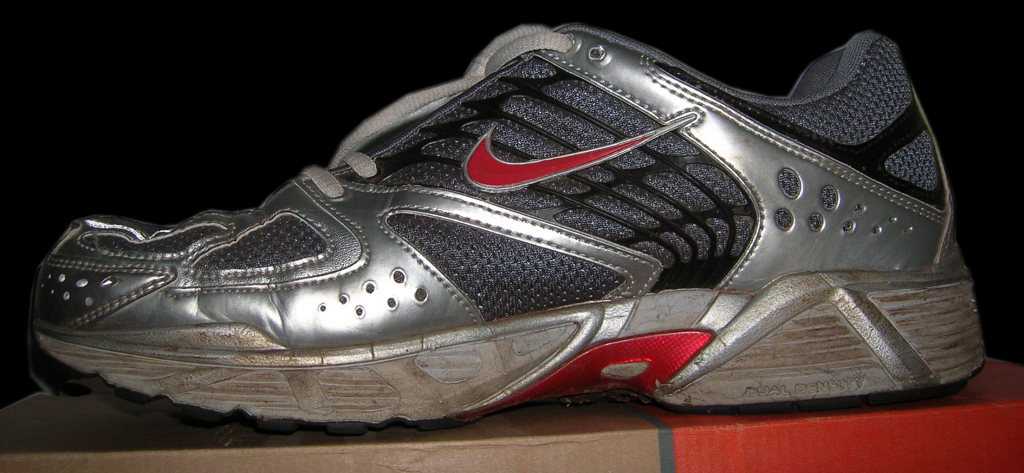
One of the important characteristics of the footwear industry is the fact that the product is necessary to consumers, yet very much a discretionary purchase as well. The actual structure of athletic shoes does not change very much from season to season. The design and fashion aspects are what significantly differentiate one product from another. Due to these factors, athletic shoe purchases are largely dependant on economic conditions. When the economy is good and consumers are enjoying plenty of disposable income, they are more likely to make new purchases to update their shoe collections. When there is a shorter supply of income, consumers will put off purchases until they are absolutely necessary and the price of the shoes is low enough.
Currently, the athletic shoe industry is performing well. Overall footwear spending in the United States has decreased in recent years, but athletic shoe sales are increasing. In 2001...
More Clothing, Footwear and Cosmetics
essays:
Nike vs Adidas, market and comprehensive competition analysis.
... selling to the end consumers should be used to market new goods and products. PORTER'S FIVE FORCES Barriers to Entry - Low Due to the large scale of both Nike and Adidas, these ...
Nike's Marketing Plan
... of athletic footwear could prove as a problem if competition in the footwear industry becomes tighter and Nike loses market share. This would leave the company with a lot of work in the apparel market to bring ...
Nike/Adidas: Key factors that influence success of Nike and Adidas, Swot Analysis.
... The competitive environment: "five forces" analysis The threat of entry Brand loyalty, ample capital, and broad based sourcing create an environment where the bigger companies such as Nike and Adidas have little trouble maintaining market share. The barriers to entry into ...
Nike Corporation's Competitive Strategy
... 2000). Nike and Reebok is involved in the design and marketing of both athletic and non-athletic footwear and apparel, as well as other various fitness projects. Their competition is very stiff. Reebok's market share is ...
Strategic Analysis of the Firm, Nike INC
... regard to barriers to entry, there are no protected sanctuaries that keep shoe manufacturers from entering Nikes competitive sphere or vice-versa. In other words, all existing markets (local ...
Adidas Case Study: SWOT analysis and Michael Porter's Five Forces Model, including strategic recommendations
... athletic apparel. Barriers to Entry The footwear-manufacturing segment has the highest barriers to entry out of the three sporting good industry segments. In the U.S. 53% of the footwear market share is controlled by two companies- Nike and Reebok ...
Case Analysis: Hitting the Wall: Nike and International Labor Practice
... employed. Adidas, Reebok and New Balance took advantage of Nike's down slope and gained in competitive advantage. This led to diminishing ...
The Body shop
... it to share technology, R&D ventures, distribution and marketing and furthermore, its strong brand name in the new product category. These economies of scope will allow it to reduce costs (cross-business opportunities) and enhance competitive advantage. Strong Brand Loyalty ...