The Nisei in World War II
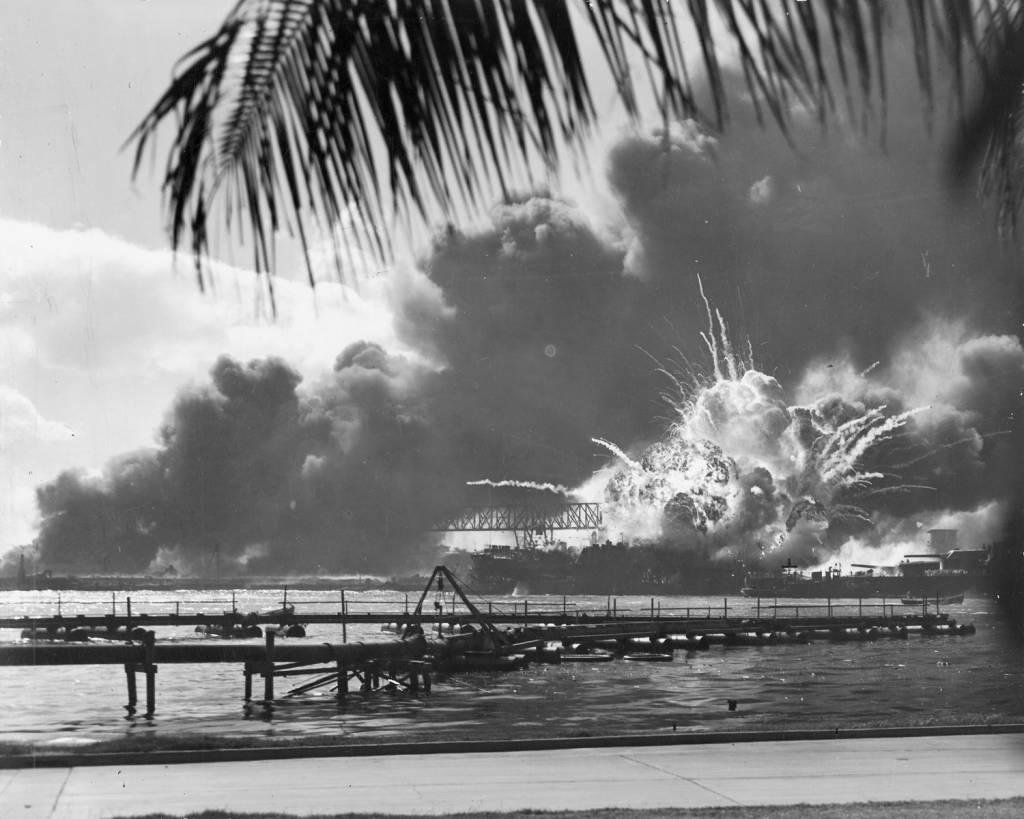
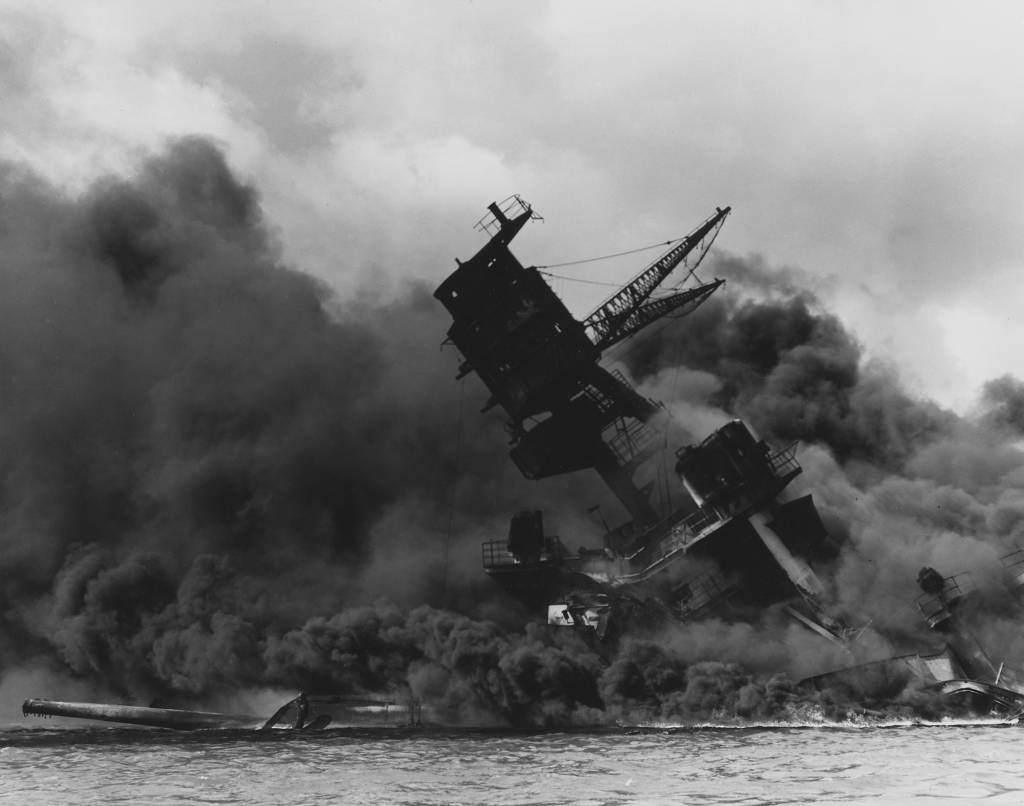
One of the significant factors that brought the US into World War II was the Japanese attack on Pearl Harbor. On December 7th 1941 Japanese carrier-based plans and submarines attacked the Navy ships docked at Pearl Harbor. This attack caused grave damage to the Americans. This was when the Americans stepped out of their isolationism and where the story of the most decorated solders in U.S. History.
Due to the attack on Pearl Harbor the American people were very angry with the Japanese people. They even imprisoned the Japanese-Americans thinking they may have provided the Japanese military with information to support such of an attack. After the attack of Pearl Harbor the United States was engrossed by war hysteria, especially on the Pacific coast of the U.S. The residents feared that more Japanese attacks would find their way to their own homes and cities. The leaders in California, Oregon, and Washington all demanded that the Japanese ancestry be removed from their homes and relocated to and isolated inland area. They didn't want them living along the coast due to the fears that the Japanese-Americans would support more attacks that could affect their cities. Under extreme pressure President Roosevelt signed Executive Order 9066. This Executive Order resulted in forcing 120,000 Japanese-American people to be relocated to what was called "relocation centers". They were more like camps. More than two-thirds of those who were taken from their homes to live in these relocation centers were U.S. citizens and never showed disloyalty to their county. Some of them were even born in America. These camps were spread out over the interior desert areas of the West. Some of these States were Arizona, California, Utah, Idaho, Colorado and Wyoming. They were forced to live their lives under harsh conditions.
The Hawaiian government couldn't afford...
Reviews of: "The Nisei in World War II"
:
More World War II
essays:
This is an A-1 study guide. It earned me an A on my test on World War II. It has the events leading up to World War II up until the end of World War II.
... bombed Pearl Harbor and December 7, 1941. 25)Battle of Midway In June of 1942, America defeated the Japanese Navy, this ended Japan's naval superiority in the Pacific. 26)War in the Pacific After the Battle of Midway, MacArthur attacked ...
The Legacies of World War II
... the wars outcome. During World War II, the Japanese set up a empire by driving the British, Dutch, French, and Americans out ... during World War II. At the turn of the 19th century, totalitarianism was on the ...
Planes Used In World War Two
... In World War II During World War Two there were many different types of planes used by all countries. The U.S. used many different kinds of planes such as, fighters, bombers and, attack planes ...
How the Navajo Code Talkers helped the Allies in the Pacific theater during World War II.
... the Japanese and helped bring the United States to victory in the Pacific during World War II. After the heartless sneak attack on Pearl Harbor on December 7, 1941, the ...
The American Involvement In The Rise of Japan This essay describes how the American army and the government affected Japan economically as it recovered from the defeat in World War II.
... of World War II, Japan responded quickly once again. They abandoned their militaristic practices and began the peaceful pursuit of manufacturing, exporting, and commerce (Ezrati 2). The actions of other nations, along with some luck, permitted the Japanese industries ...
GENERAL GEORGE S. PATTON JR. This report briefly describes his childhood and then gets in to his life in the military more in depth. Mostly focused on his contribution to the victories in WW II.
... World War II by the Japanese at Pearl Harbor in December of 1941.# Patton's Second World War After the attack on Pearl Harbor, General Patton was given the task of creating and commanding the Desert Training Center in Indio, California ...
Why did the US enter World War II late?
... the Japanese attack on the US naval base in Pearl Harbor on December 7th of 1941. America's hesitancy was shaped by various factors, namely "the desire to avoid entanglement in European affairs...the conviction that intervention in World War I ...
Americas in volvement in World War Two
... Unless American interests were directly threatened, Roosevelt hesitated to 'push the button' ( Churchill 542). On December 6, 1941 the Japanese Airforce led a surprise attack on Pearl Harbor, completely ... second World War, complained that America was left with 'only a shell of military establishment ...
Superb!
A very new topic and very well explored and explained. Some quotations and evidence could have made the essay better. And very well done for such a good essay.
2 out of 2 people found this comment useful.