What is non-verbal communication and how is it used in our society?
Non-verbal communication is used so often that we actually forget that we are using it. It has been defined as communication without words, including apparent behaviors such as facial expressions, eyes, touching and gestures as well as less obvious messages such as dress, posture and spatial distance between two or more people. It provides us with a means for conveying messages without the use of verbal language and also plays a role in the perception of the actual message we are trying to convey.
We do not realise how much we rely on non-verbal communication; the reason for this is due to the fact that most non-verbal communication transpires on a level that is below our conscious awareness. While many aspects of nonverbal communication are culturally specific, some, e.g. facial expressions and gestures, appear to have near universal levels of recognition. It is suggested that many more feelings and intentions are sent and received nonverbally than verbally. Non-verbal messages are also seen as more genuine because behaviour can not be controlled as easily as spoken words. Perhaps the most common answer for why we use non-verbal communication so often is because words have limitations. It is seen as more effective to describe something non-verbally.
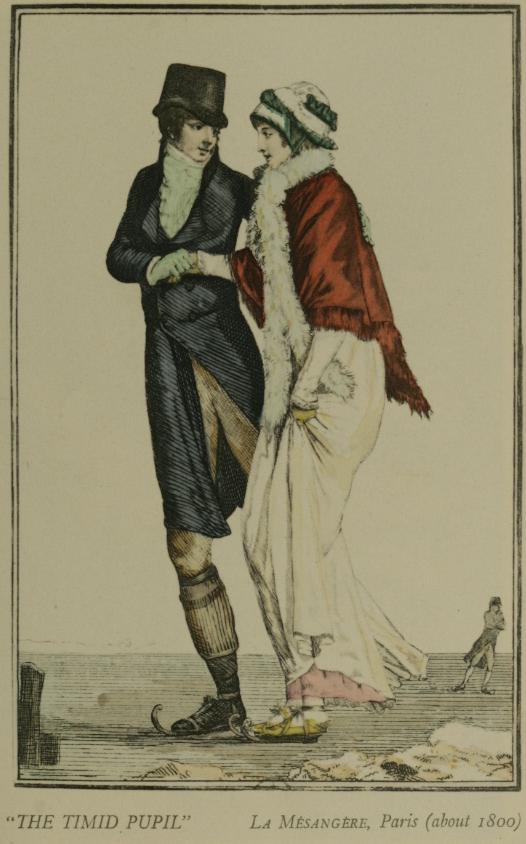
When communicating non-verbally, we tend to use much of our facial expressions to help communicate the message. The reason for this is because it is the most difficult to control. We make facial expressions so automatically that we barely realised what we've just communicated, e.g. there are 23 distinct eyebrow movements, each capable of stimulating a different meaning. If an ironic statement is made with a smile, the receiver knows to find it humorous instead of disconcerting. If we are sending a verbal message intending to deceive and avert our eyes the receiver knows we may...
Reviews of: "What is non-verbal communication and how is it used in our society?"
:
More Communication Studies
essays:
Communication Processes and Principles - Describe two communication models; the different types of communication; and how self-concept influences communication.
... kept. Communication Methods It is possible to send the same message using different techniques. The most obvious way is to vary the channel. For example, a supervisor can give direction to a subordinate verbally and ... intentional communication. Intentional communication is used consciously and ...
This essay, Bad advertising, is about the effect the media has on children in our society today. It specifically focuses on television watching.
... the violent act because he had been viewing a violent programmed show. Television can cause a child to grow to feel immune towards violence. Perhaps our child in this case simply felt nothing but seeing what he witnessed, or maybe he ...
Controversial Television Advertising
... in our competitive world but they should deliver the right message and display non-rated contents. Advertisers can commercialize products without their attempts to ... us children fall more under its influence and consumers need to be aware of this influence and make changes now before it is too late ...
Electronically Mediated Communication: The use of cell phones, computers, internet, etc and how it affected our relationships. Contains graphs and percentages.
... voice, facial expressions, gestures and other nonverbal means we use to communicate are virtually nonexistent in cyber communication, you ... face communication, because text messages are primarily verbal. We ...
This essay is about the revolution of cell phones both technologically and culturaly.
... way messages of 160 characters in length." This form of non voice communication via ... that is in development for cell phones will lift the language barrier by offering real time translations of conversations. Using voice recognition software and translation software, cell phone companies will be able ...
Q. Why and how is Australia's 'public broadcaster', the ABC, intrinsically different to commercial radio networks?
... REFERENCES: Cunningham, S. & Turner, G. ( eds ) 2000, The Media and Communications in Australia, Allen & Unwin, Sydney. Davis, Glyn. 1988, Breaking up ...
Nonverbal Communication is Affected by Culture.
... the nonverbal behaviours takes place and both culture and non verbal communication are ...
Is our society becoming post-l
... send messages to each other more quickly and easily. It means living in a form of consciousness in which knowledge does not exist outside the knower, embodied in a physical text, but instead is lived dramatically, communally performed ...
Good WOrk!
Hey love the essay! Keep it up
0 out of 0 people found this comment useful.