Oh the Sorrow
Oh the Sorrow...
During the 20th century, there was an evident disillusion and disintegration
in religious views and human nature due to the horrific and appalling events and
improvements in technology of this time, such as the Holocaust and the creation of
the atom bomb. This has left people with little, if any, faith in powers above or in
their own kind, leaving them to linger in feelings of despair and that life is an
absurd joke. From these times grew the Theater of Absurd. Here they attempted
to depict the very illogical and ridiculous life they were living. In comparison to
traditional characteristics of earlier plays, the plots are seemingly deficient, if not
sparse with little resolution. Yet despite this, these plays make very bold and
philosophical statements about life in the 20th century. The playwrights
indiscreetly utilize metaphoric and symbolic details to support their message. In
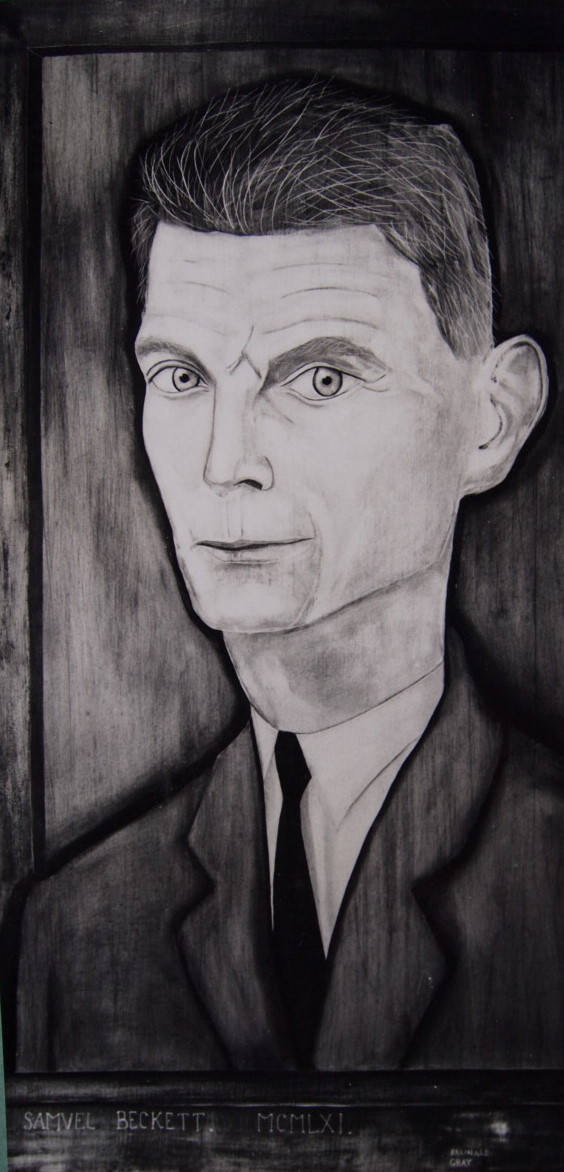
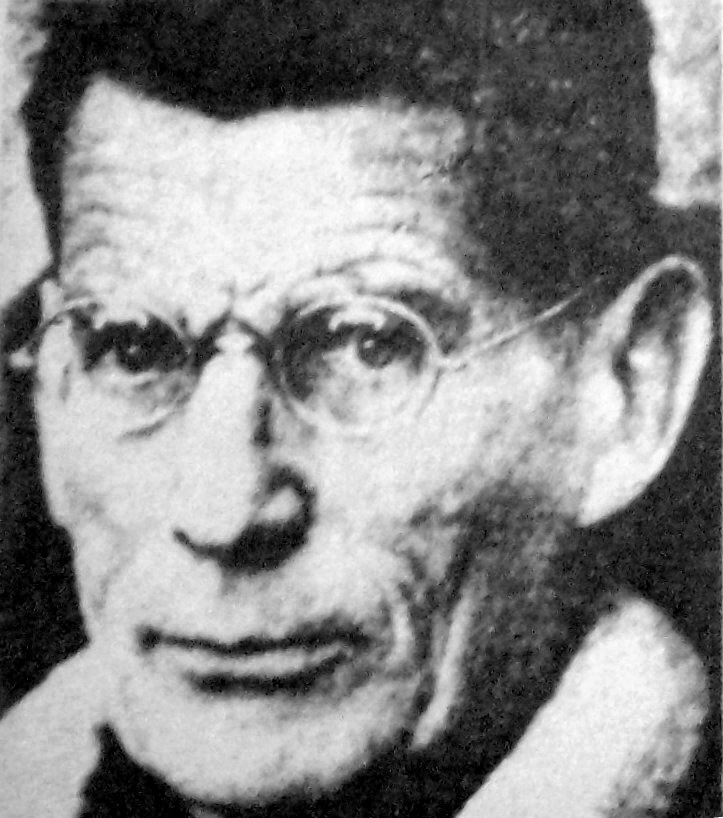
'Krapp's Last Tape,' Samuel Beckett exploits such techniques in expressing his
own bleak and pessimistic view of the world.
In his middle years of his life, Krapp retained this rigid and anal retentive
nature. He kept these tapes in which he would constantly reevaluate his own life
and try to always improve it, using these tapes as 'help before embarking on a new
retrospect' (1629). He had also stored these various tapes organized in boxes with
their location written in a ledger. Yet in his latter years, there is an apparent decay
of this regimental attitude. His very appearance is an indication of this decline.
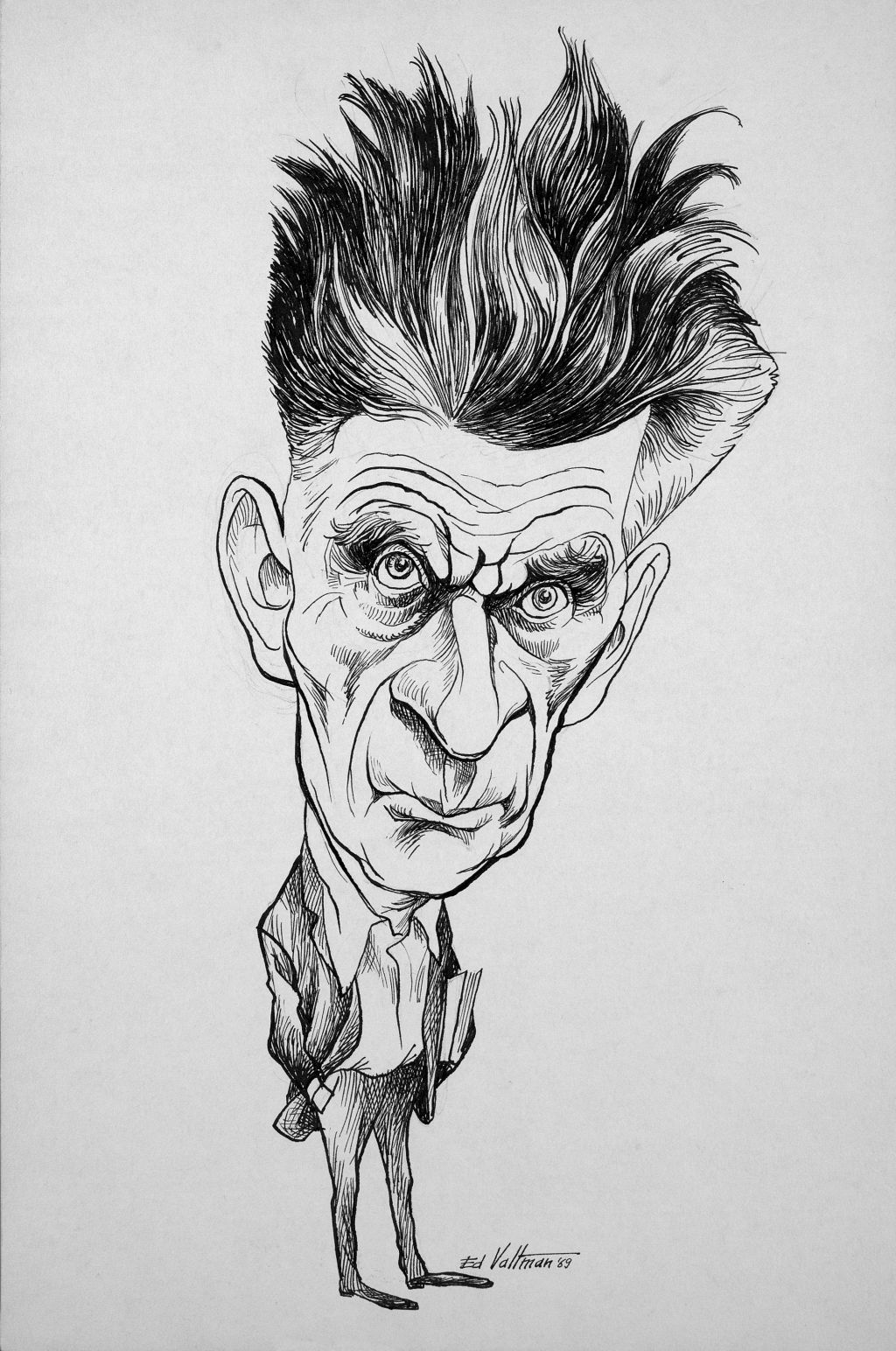
He is described as wearing 'Rusty black narrow trousers to short for him. Rusty
black sleeveless waistcoat. Surprising pair of dirty white boots. Disordered gray
hair. Unshaven. Very near-sighted (but unspectacled),' which is not the
description of an anal retentive person (1627). Also despite the ledger and...
More Drama
essays:
How does the concept of text evolve from the 18th century onwards? Show how the role of the actor is integrated into the idea of text. Underline any contrasting views on the subject.
... issues of the time having didactic characteristics. The most radical changes took place during the 20th century where the concepts of Antonin ...
Bertolt brecht was a great playwright of th 20th century in which he became a great practioner of epic theatre.
... reminder of how humanity is worn down by war and what is lost by those who survive it. The narrative covers more than a decade during the Thirty Years' War of 17th-century, in ...
Ancient Greek Theatre.
... life, Euripides was viewed as a heretic and was often lampooned in Aristophanes' comedies. A cynic about human nature, he became a bookish recluse and died in 406 BC, two years before Sophocles. Comedy Tragedy was not the only product of ...
"No Sugar" by Jack Davis and 7 Stages of Grieving by Debrah Mailman and Wesley Enoch- How do these reflect both social and cultural issues in Australia?
... tradition way of story telling to convey themes of struggle, prejudice and the destruction of Aboriginal culture. First wave playwright, Jack Davis writes the lives of the Millimurra family in their struggle to survive the Depression early in the 20th century ...
To what extent has Marlowe employed the principles of variation and contrast to sustain the attention of an audience throughout The Tragical History of Doctor Faustus and to what effect?
... as human nature demands comic relief throughout a tragedy. The play begins with a mood of splendor ... with despair and horror by the end of the play. Comedy arises with the foolishness as Faustus plays practical jokes and with the ridiculous antics and expressions of his ...
Theatre of the Absurd: The meaningless of human existence - How does Theatre of the Absurd use dramatic forms and stylistic features to comment on the meaningless of human existence?
... Godot (Samuel Beckett), The Dumb Waiter (Harold Pinter), and The Bald Prima Donna (Eugene Ionesco) all comment on different types of the human condition but ultimately reflect the meaningless of human existence. They provoke thought about the pointlessness of life, the ...
Tragedy: Fact or Fiction?
... the 20th century was absurdism. Absurdist drama tends to eliminate much of the cause-and-effect relationship among incidents, reduce language to a game and minimize its communicative power, reduce characters to archetypes, make place non-specific, and view the ...
Chronicles of Continuation
... the human imagination works, functions, and how it has effect human nature. (1) From the beginning of documented civilization, the utterances of sounds ...