"Our Dynamic Solar System" the origin of the solar system, laws governing the solar system, the sun, the planets and the other bodies that are included.
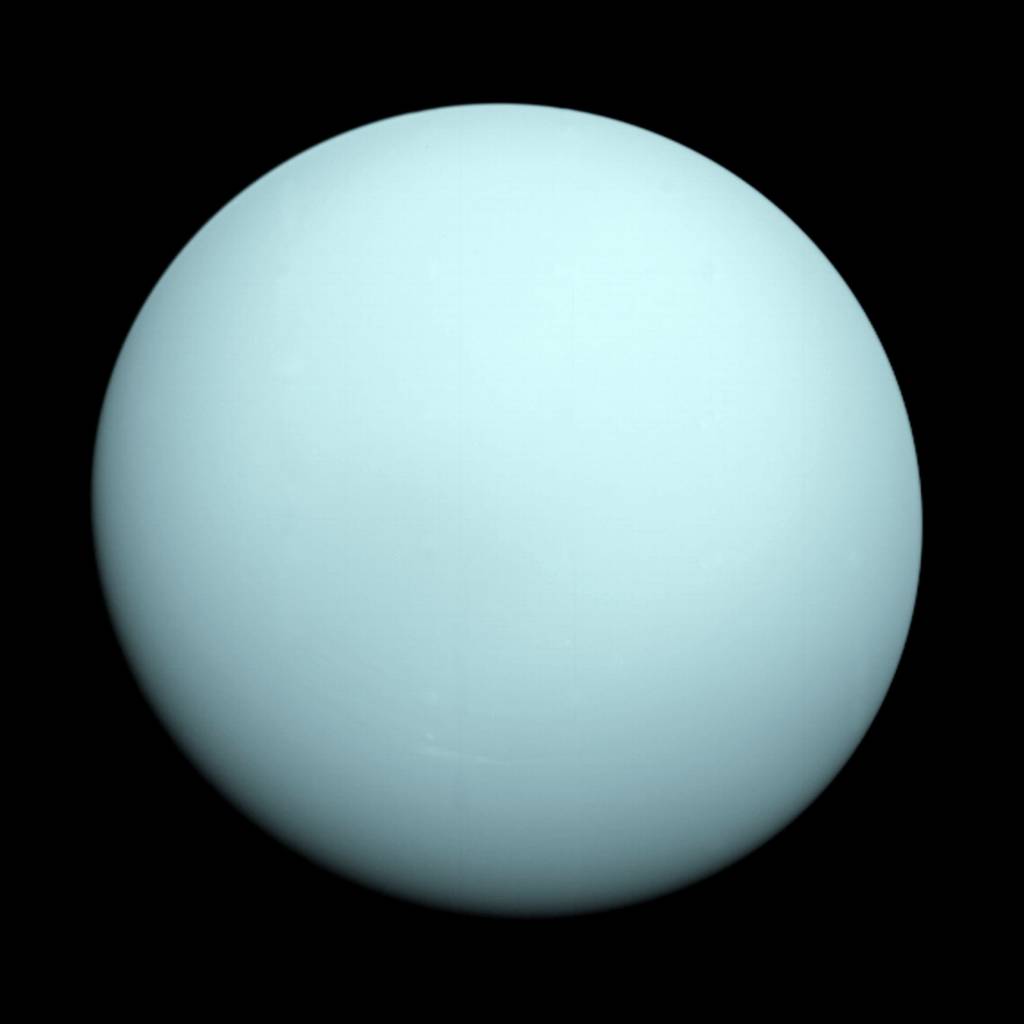
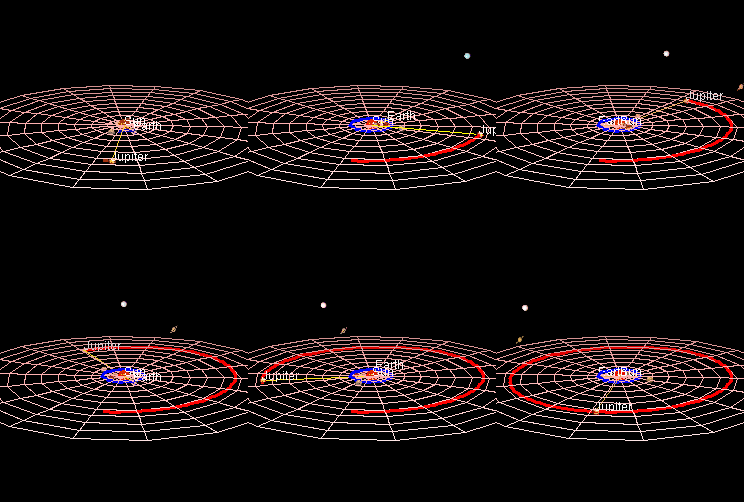
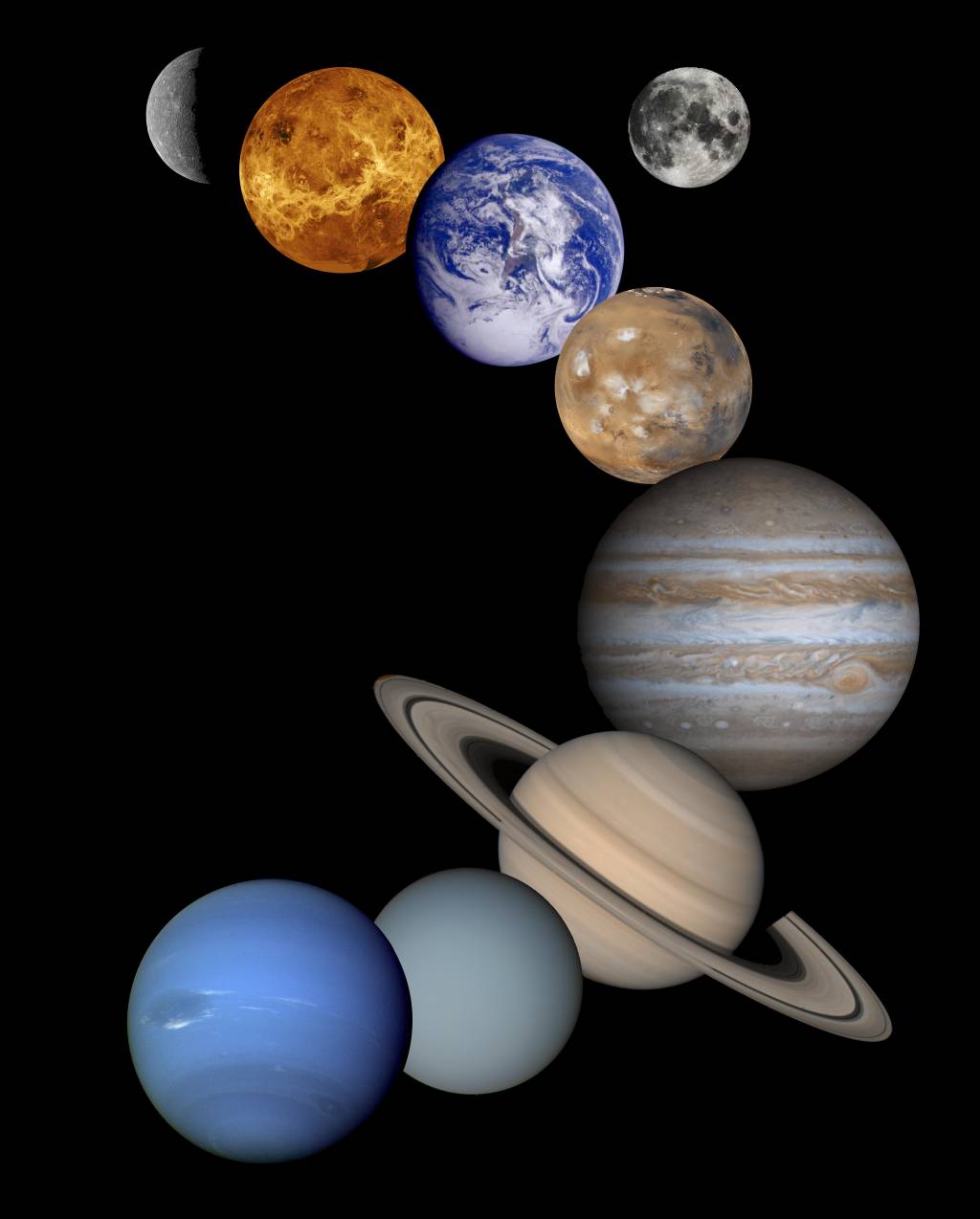
Our solar system is a very complex place. In this paper I will identify the origin of the solar system, laws governing the solar system, the sun, the planets and the other bodies that are included. Our solar system is a collection consisting of the Sun and the bodies orbiting around it. Included in our dynamic system are nine major planets, numerous asteroids, at least 68 satellites, and the cosmic interplanetary medium. The inner solar system consists of the Sun, Mercury, Venus, Earth and Mars. The outer solar system contains Pluto, Neptune, Uranus, Saturn and Jupiter. "The largest part of the mass of our solar system (other than that constituting its central star) and almost all of its angular momentum is stored in four planets- Jupiter, Saturn, Uranus and Neptune." (Kapal, p.6) The planets, most of the satellites of the planets and the asteroids revolve around the Sun in the same direction, in nearly circular orbits. When looking down from above the Sun's north pole, the planets orbit in a counter-clockwise direction. The planets orbit the Sun in or near the same plane, called the ecliptic. The axis of rotation for most of the planets is nearly perpendicular to the ecliptic. The exceptions are Uranus and Pluto, which are tipped on their sides.
Five billion years ago a cloud of hot swirling dust and hydrogen gas gave birth to our Sun and planets. As the cloud spun and collapsed inwards it flattened into a central mass with a surrounding disk. Dust and gases in the disk created small condensations each spinning about its own center. Gravitation condensed and heated the central mass. Density increased considerably and nuclear fusion began. Energy was released and our Sun flared into existence. The solar wind of the newly ignited Sun blew away leftover dust...
Reviews of: ""Our Dynamic Solar System" the origin of the solar system, laws governing the solar system, the sun, the planets and the other bodies that are included."
:
More Astronomy
essays:
"The Largest Planet" This is a research essay about Jupiter. It includes unmanned missions to Jupiter and the general characteristics of the planet. It has 6 references.
... Uranus and Neptune. (4) Some of the discoveries of Voyager 1 and 2 include: -Found 3 new satellites around Jupiter. -One of its satellites, Io, was found to have an active volcano, the only other solar system body aside from Earth ...
Earth Compared With The Planets of The Solar System.
... the Sun and second smallest planet in the solar system. Its diameter is 40% smaller than Earths; Jupiter's moon Ganymede even dwarfs it in size. Mercury's dust-covered hills have been battered as meteors and asteroids are ...
Planet Mercury
... appears and disappears from Earth's view. Mercury is the second smallest planet in the solar system; Pluto is the only planet that is smaller. Earth's ...
Jupiter and the Galilean Satellites
... Satellites Jupiter Orbit: 778,330,000 km (5.20 AU) from Sun Diameter: 142,984 km (equatorial) Mass: 1.900e27 kg Jupiter is the fourth brightest object in the night sky and is also the biggest planet in our solar system ...
How is it known that the Earth rotates? Describe how precise measurements of this rotation, particularly those involving eclipses, have demonstrated that the Earth is gradually slowing down.
... brighter and more rapidly moving objects in the solar system (i.e. the Moon, Sun or one of the inner planets Mercury, Venus and Mars ... of stars by the moon. The principle causal mechanism would appear to be angular momentum transfer between the outer fluid core of the Earth and the ...
Venus The paper is a study of comparative planetology. The attributes of Venus are compared against the planet Earth.
... The planet Venus is one of nine planets that orbit the Sun in our solar system. It is the second planet from the Sun and closest to Earth. Due to this location, it is the brightest star in ...
1. What is a Lunar Eclipse and when does it
... the earth is between the sun and the moon -on full moon days 2. The Solar System consists of how many planets? 9 and the sun Name them.... Mercury, Venus, Earth, Mars, Jupiter, Saturn, Uranus, Neptune, Pluto Mercury, Venus, Earth, Mars ...
Theories on the Origin of the Moon
... the angular momentum of the present earth-moon system. Formation in Orbit Near the Earth This theory proposes that the earth and moon, and all other bodies of the solar system, condensed ...
WOW!
This essay covers everything you need to be get an A. Take my word for it.
0 out of 0 people found this comment useful.