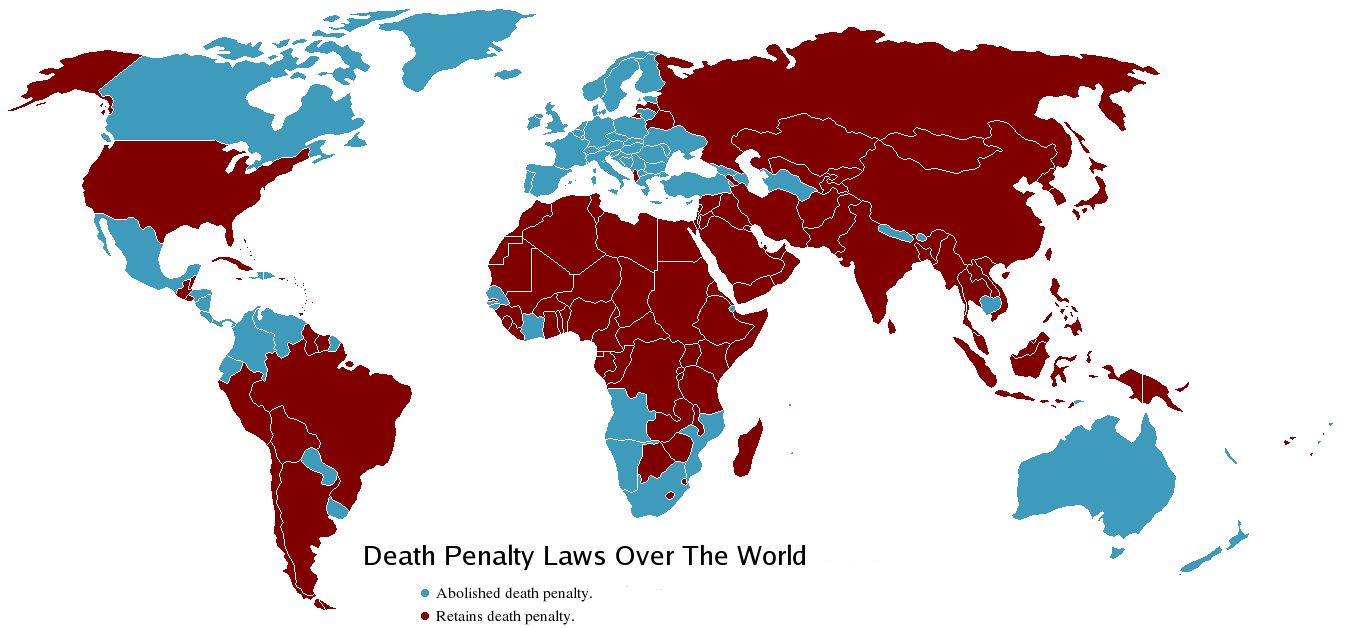
This paper deals with two articles, one viewing the death penalty as wrong and one viewing it as right.
In Coretta Scott King's "The Death Penalty Is a Step Back" and Mike Royko's "Death to the Killers," each author presents their individual analysis on the topic of capital punishment. The writers discuss their personal opinions on the issue of the death penalty, while giving several reasons to support their convictions.
The authors have dissimilar views on the controversial issue of capital punishment. On one hand, King exclaims: "America took another step backwards towards legitimizing murder as a way of dealing with evil in our society." In a desperate attempt to figure out the reasoning of those in favor of the death penalty, she asks: "Can we expect a decent society if the state is allowed to kill its own people?" In addition, the writer explains that because American violence has escalated over the last few years, the government and its citizens have begun reinforcing the act of the death penalty. However, she argues that no matter how much "we abhor violence," executing criminals is neither moral nor constitutional, and it will not deter others from committing the same crimes.
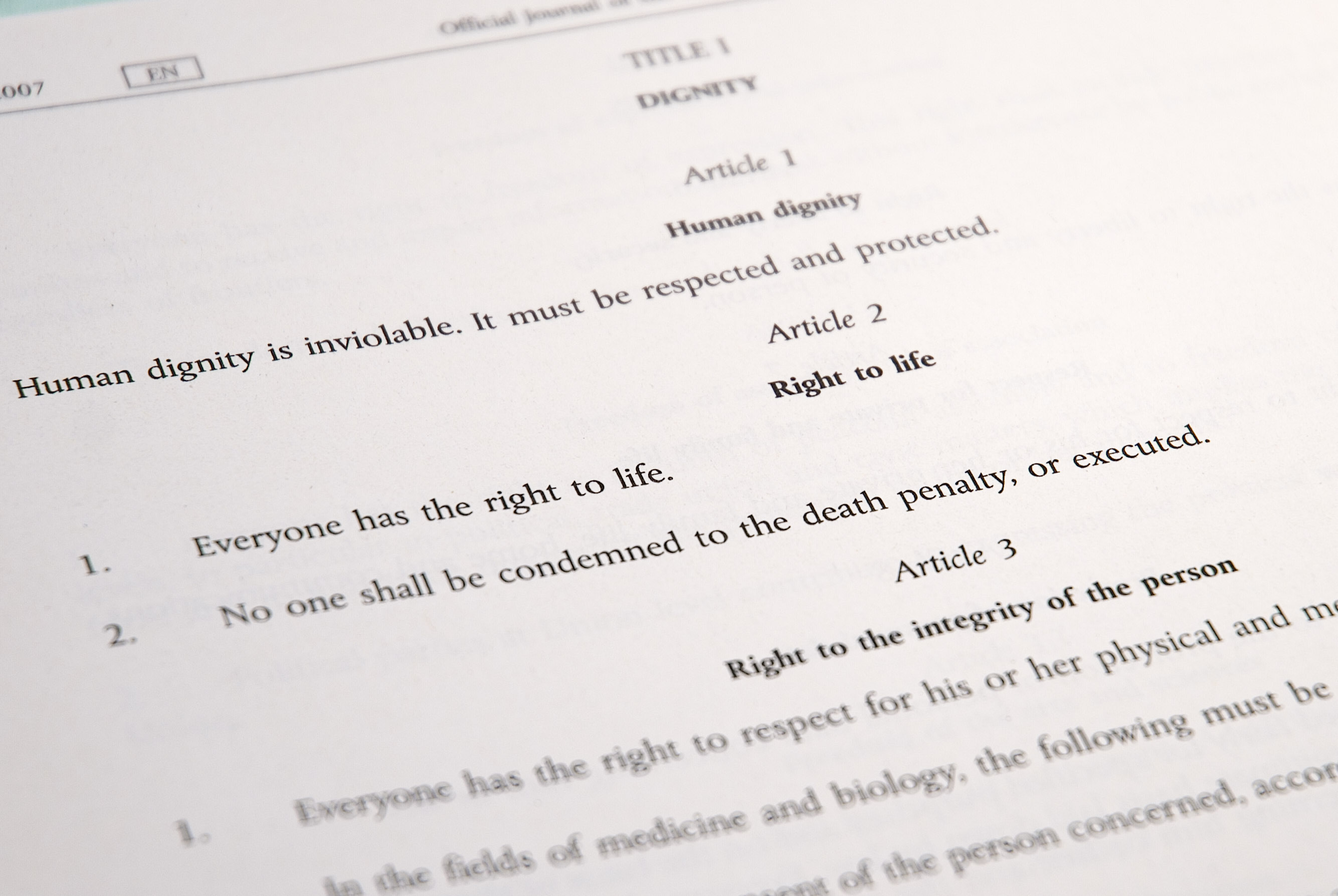
On the other hand, Royko initially explains that he doesn't really like to "make fun of people who oppose the death penalty because they are so sincere." Nevertheless, he wishes they would come up with new reasons as to why the government should put a stop to the death penalty. The author exemplifies his strong perspective on capital punishment by explaining many individual cases in which people "suffered a terrible loss, and live with terrible memories." He declares that every one of these families share "the knowledge that the killers are alive," and they will not gain vengeance until it is evident that the criminals are not being "cared for by society." Royko demands that the "opponents of the death...
More Death Penalty
essays:
The Abolishment of capital Punishment
... examining issues of discrimination, the severity of the punishment, the fact that retribution is unjustified, and concerns with deterrents, illustrates that the death penalty violates the basic rights of individuals. In viewing the legal rights of citizens particularly ...
Capital Punishment. Pro or Con?
... much controversy because innocent lives are taken and it could have been prevented. Lastly, opponents of the death penalty say that when the states execute killers in an attempt to ...
Capital Punishment. Objective paper on the death penalty, history of, facts etc
... part, capital punishment is an expression of society's moral outrage at particularly offensive conduct' (Landau 22). The issue of abolishing the death penalty has caused much controversy. Birger ...
Facts about the Death Penalty (Worldwide)
... been convicted of such a horrific crime that they are considered a threat to society, that threat disappears as soon as he or she is incarcerated. Abolitionists consider the death penalty an insufficient form of punishment because ...
The Death Penalty Debate
... the death penalty Nepal, Philippines, Gambia and PNG. However, since violent crimes are not fit to live in a civilized society, the debate of capital punishment is a controversial and ...
Death Penalty
... the death penalty confirm that "Death by lethal infection is not painful, and the inmate goes to sleep prior to the fatal effects of the Pavulon and Potassium Chloride." (qut. in William, Capital Punishment/ Current Controversies, 58 ...
Capital punishment, the legal infliction of the death penalty
... a controversy over the death penalty ever since the Quakers fought for reform in the 1700's. (Bedau1) This conflict has two sides: those in favor of capital punishment, and those who view life ... executions. Those who oppose the death penalty have come up with many reasons that life in prison without ...
Pro Capital Punishment; The Death Penalty
... suffering. Capital punishment should be utilized as much as possible. There are numerous reasons, and I plan to address a few of the more paramount issues. I believe that the death penalty serves ...