Ralph Waldo Emerson once said, "People only see what they are prepared to see." A statement so veridical, that the people to whom it implies are either not capable of understanding it or simply cannot accept it. In fact, most of humanity can read the undeniably prodigious quote ad infinitum, without comprehending the profound meaning behind it.
There are four types of individualities, each reacting to the quote in a different manner. And how individuals react to it, determines their general responses to the situations which life brings upon them.
Innocent minds are unable to adequately understand the significance of the quote. Because of their naivety, they are neither able to respond intelligibly to the quote, nor to most situations in life. They are gullible and non-opinionative, thus, only seeing what others want them to see. The majority of people so caracterised are infants and young children. They fail to look at things from various perspectives because they have not yet had enough experience in life.
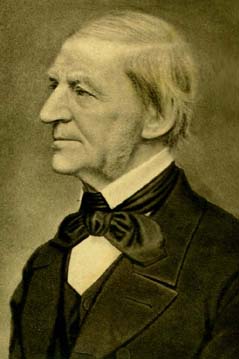 Ralph Waldo Emerson Español: Ralph Waldo Emerson....
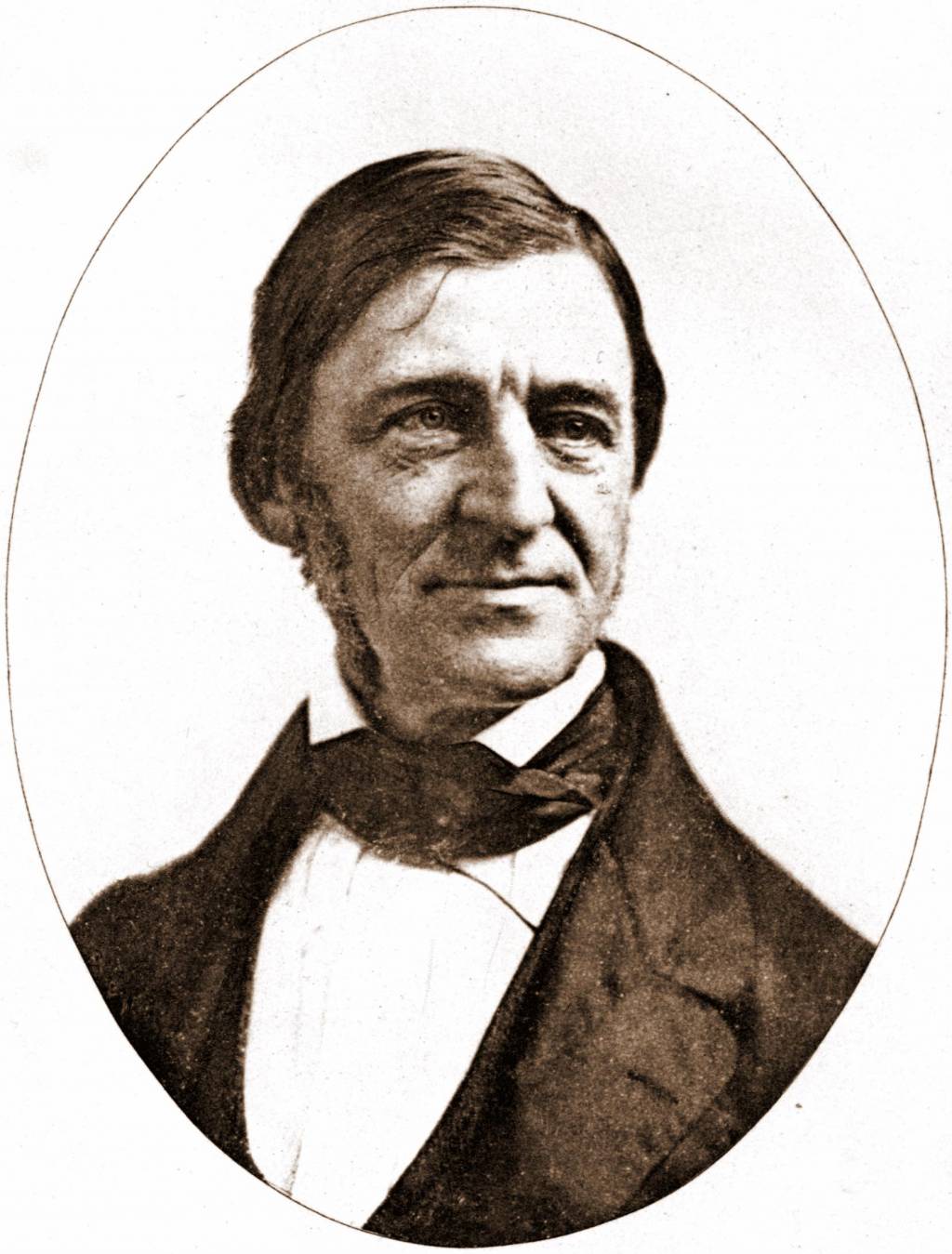 English: Image of American philosopher/poet Ralph ...
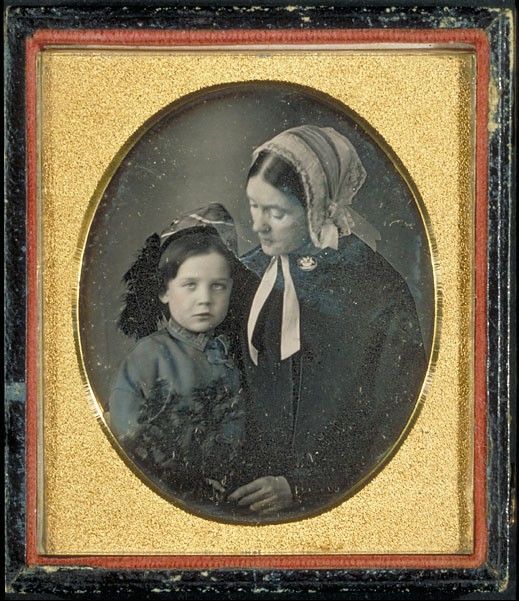 English: Daguerreotype of Lidian (real name: Lydia...
For instance, if you speak of war with a child, he or she will not know how to respond. The mind of the person is too young for knowing what to do when spoken to about political conflicts, patriotisms, warfare, death and other serious matters. In most situations, their innocent, unsophisticated minds, simply cannot understand the difference between wrong and right until they develop into more sophisticated beings.
Ignorant people avoid thinking about anything which does not concern them personally. These people apparently have the ability to see, but because of their personality, are unable to. Until they start caring, they will not be able to see things which demand care, because they are not yet ready. Many adolescents and unsuccessful people would fall into this category. And why I stereotype many unsuccessful people...