The Petrochemical Industry in Singapore -
Ways to Improve Safety
Contents
Executive Summary
2
Background
2
Purpose of Report
2
Summary of Main Findings and Recommendations
2
Main Body
4
Introduction
4
Background
4
Current Situation
5
Purpose of Report
7
Outline of Report
7
Methods and Procedures
7
Sources
7
Criteria for Evaluation
7
Findings and Discussion
8
Proposed Solutions
8
Evaluation of Solutions According to Criteria
10
Conclusion
10
Summary of the Problem
10
Summary of Findings and Discussion
11
Recommendations
11
References
12
Appendix13
Executive Summary
1.Background
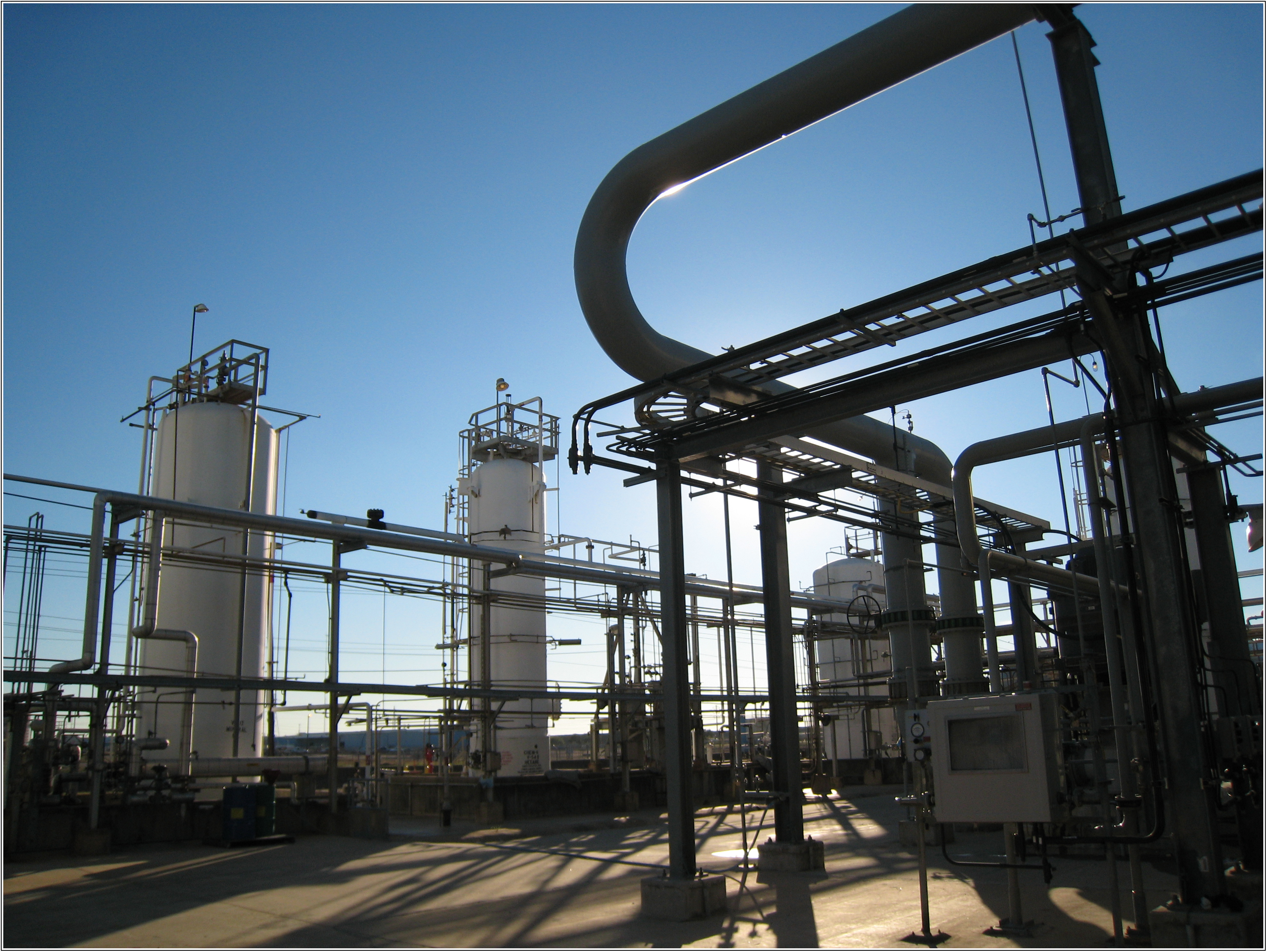
According to the Singapore Economic Development Board (EDB, 1998), the petrochemical industry is an essential component of Singapore's manufacturing sector. Basically, this industry specialises in the production of organic chemicals, which can be used as raw materials for other products (Bahrawi & Baumgarten, 2000). In Singapore, the establishment of a petrochemical hub at Jurong Island has contributed significantly to the rapid development of the petrochemical industry (Bhasi, 2002).
 150 px
 Ministerial Awards of the Russian Federation
 English: The Petrochemical Industry dominates the ...
Its products have also been used to improve the standards of living among Singaporeans. Indeed, the petrochemical industry has provided numerous advantages to the public. However, according to the Ministry of Manpower (MOM, 2001b), increasing accident rates in petrochemical plants have shown that the levels of safety in the petrochemical industry remain unsatisfactory.
2.Purpose of Report
This report aims to show that the risks associated with the petrochemical industry should not be overlooked. Subsequently, solutions will be proposed to minimise these risks.
3.Summary of Main Findings and Recommendations
The following two short-term and two long-term solutions are proposed to alleviate the problem of high risk levels in the petrochemical industry.
Short-term Solutions
1.Stricter Regulations for Handling Chemicals
A common set of regulations for factories in the petrochemical industry can be compiled in the form of a handbook and...