Philosophy on life and death is usually determined by a number of things. Religion, culture, traditions and family usually have something to do with the beliefs humans might have. During the course of a lifetime, experiences and accomplishments have a major influence on how we think as adults. During the play Hamlet, Hamlet's philosophies on life and death change significantly, due to the recent events in his life.
In Hamlet's first soliloquy he reveals to the reader that he wishes he could disappear from the earth. He is so discouraged by life, and the continual run of negative events that are taking place. Primarily, his father's death has brought him anguish as well as his mother's marriage to his Uncle Claudius. His despair has driven him to suicidal thoughts, and that he would kill himself if suicide were not a violation of canon law.
"T'is an unweeded garden
That grows to seed; things rank and gross in nature
Possess it merely" (Page 12, line 141-142)
In act 1, scene 4, Hamlet speaks to Horatio and Marcellus about how the fate of your character is inevitable.
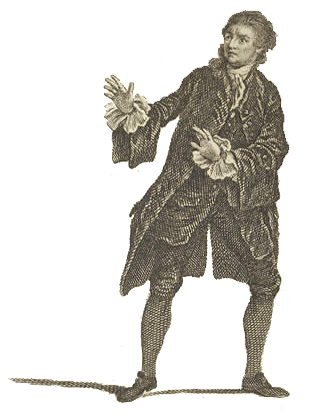 David Garrick in Hamlet, I, 4
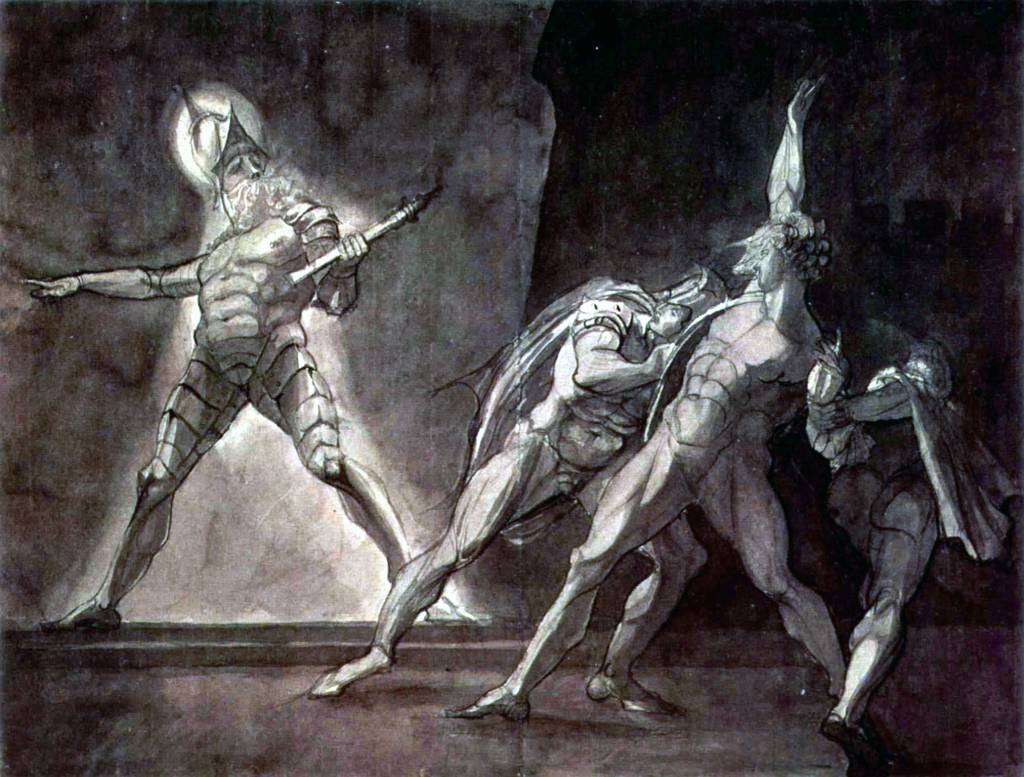 English: Henry Fuseli - Hamlet and his father's Gh...
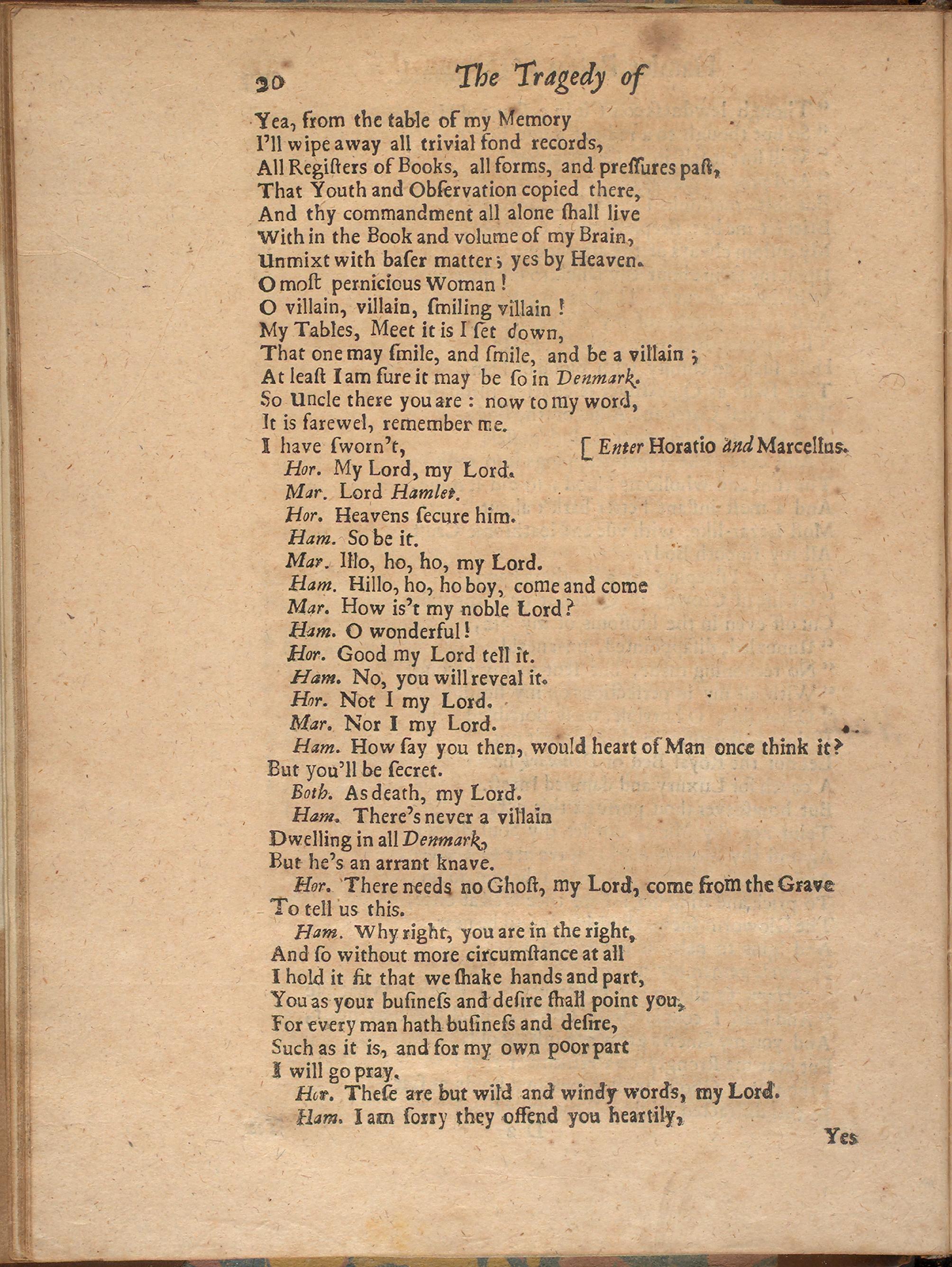 As it is now Acted at his Highness the Duke of Yor...
A flaw in man's character is something he can inherit, nurture or develop. Man may be born with this flaw, which makes him a victim of fate. When this occurs it absolves him of all responsibility for his behavior. Man's behavior can be attributed to their complexion, which is determined by four bodily fluids called humors. The humors are blood, phlegm, red bile and black bile; therefore a person could have a sanguine, phlegmatic, choleric or melancholic personality depending on which humor is in excess.
"So oft it chances in particular men
That for some vicious mole of nature in them,
As in their birth, -wherein they are not guilty,
Since nature cannot choose his...