Pirandello: Six Characters in Search of an Author -- analysis, dramatic elements, dramatis personae, themes (with textual reference), genre, synopsis, setting
Six Characters in Search of an Author
By: Luigi Pirandello
GENRE: Italian Drama - theatre of the grotesque
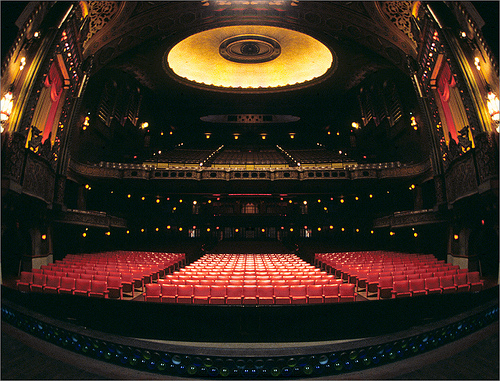
SETTING: Daytime, the present, the stage of a theatre
THEMES: How does one define reality/truth?
"At least admit that the actress who will play her will be less true than what you see before your very eyes" (Father, II)
DRAMATIS PERSONAE:
THE CHARACTERSTHE COMPANY
FatherDirector
MotherLeading Man
StepdaughterLeading Lady
SonSecond Female Lead
Boy (mute role)Ingenue
Little Girl (mute role)Juvenile
Madam PaceOld Character Lady
Other Actors and Actresses
Stage Door Man
First Stage Manager
Second Stage Manager
Stagehands
Roles for 9 men and 8 women plus other minor characters.
SYNOPSIS:
A theatre company is preparing to rehearse one of Pirandello's plays, "which no one understood when it was written and which makes even less sense today" (Director, I). Before they are able to begin, however, the Characters enter and explain who they are, and that the author that created them had not been able to finish their play, and that they were in search of someone who would help them by finishing the job.
The director agrees, and the characters tell their story, demonstrating scenes that were to be played. Not long after the first scene is played, it appears that there is some disagreement between the Characters and the Company, regarding the direction that the scenes should take. The Characters argue that they way that the Company play their roles is not "real" enough, not "true" enough. Contrariwise, the Director argues that some license must be allowed for the physical and temporal restrictions that stage production puts on their "reality."
The Characters insist on continuing their demonstration, culminating in the suicide of the Boy. The Company is horrified, some believing the child to be truly dead, others insisting that it was a...
More Drama
essays:
Really Reality? - An Overview of Criticisms of Pirandello's "Six Characters in Search of an Author"... particularly the setting.
... instead) and that is arguably Pirandello's point of view - theatre is not real, but rather an attempt of reconstruction. In Pirandello's "Six Characters in Search of an Author", there is a unique setting of a stage. "The stage is ...
Play response:Pirandello's "6 Char. in Search of an Author"--incls: Title-Author-Nationality-Period and Setting-Synopsis-Unique Elements of Playwright's Style
... Six Characters in Search of an Author Author: Luigi Pirandello Nationality: Sicilian Period and Setting: in a theatre during present times (or 1922 if wanting to be historically ...
Imagine that you are an actor and have been asked to take on the role of 'Hale' in 'The Crucible'. Discuss how you would like to portray your character on the stage.
... for an instant in silence. He is steeped in sorrow, exhausted, and more direct then he ever was." He also now has gotten to know and interacted more with the characters in Salem and now ...
Antigone: Creon a main character, and his tragic downfall. His steps in making himself have a tragic downfall
... body of Polyneices; he becomes outraged and orders the sentry to find him and turn him over at once. The sentry watches as he sees Antigone come out to bury her brother's body for a second time ...
"A streetcar named desire" by Tennessee Williams. A Reaction, Assessment of Literary Value, Biography of the Author, and Literary Critism
... state in life. Blanche is the most fascinating character in A Streetcar Named Desire. One reason for this is that she has an absolutely brilliant way of making reality seem like fantasy, and making ...
Beauty and the beast
... him in, so the other actors and actresses needed to know exactly where he was going to move to, or be very aware. His interaction on stage portrayed his character very well, and his character's ...
Mother Courage and Her Children -- dramatic elements, synopsis, analysis.
... the actors, and footlights and stage machinery are openly displayed. Songs that interrupt the dramatic action are addressed directly to the audience . . .. Brecht described a special kind of acting: actors should "demonstrate" their parts instead of being submerged in them ...
Melodrama: how melodrama has changed from the influences of "A Touch Of Silk" by Betty Rowland and "The Summer Of The Seventeenth Doll" By Ray Lawler.
... the author manipulates events to act on the emotions of the audience without regard for character development or logic. Melodrama had very 'stock' characters, in other words they were very stereotypical characters, and all the action happened on stage. Melodramatic ...