Planet Earth
Welcome to planet Earth. Although Earth's basic structure is similar to several other planets, Earth is the only planet that is able to sustain life. Actually, Earth is unique and special in many ways. Why does Earth, the third rock from the Sun, have the unique ability to allow humankind to thrive on its surface? What makes this revolving ball capable of providing an atmosphere so conducive to humankind's needs? Earth is the only planet that inhibits life because it meets all the requirements needed to enable life processes.
Earth's Unique Geology
The foundation (literally) for Earth's ability to inhabit life is its surface. Earth has two crusts: seafloor and continental. These two crusts are a result of Earth's unique process known as plate tectonics; ours is the only planet known to have this special feature. Radioactive decay keeps Earth's center hot which causes plate tectonics. These giant conveyor belts of Earth's lithosphere recycle seafloor crust, which eventually pushes up continental crust.
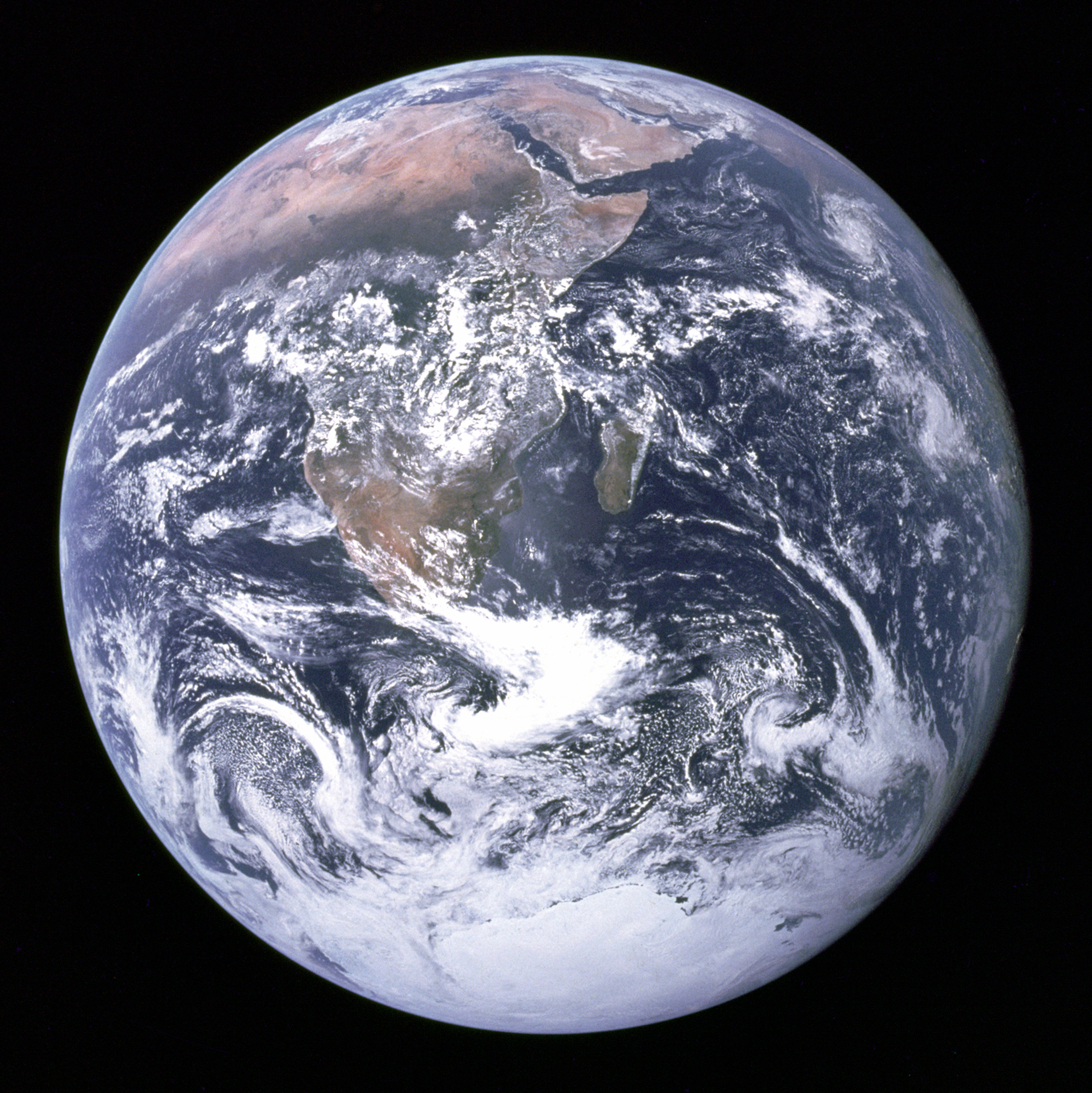 The Earth seen from Apollo 17.
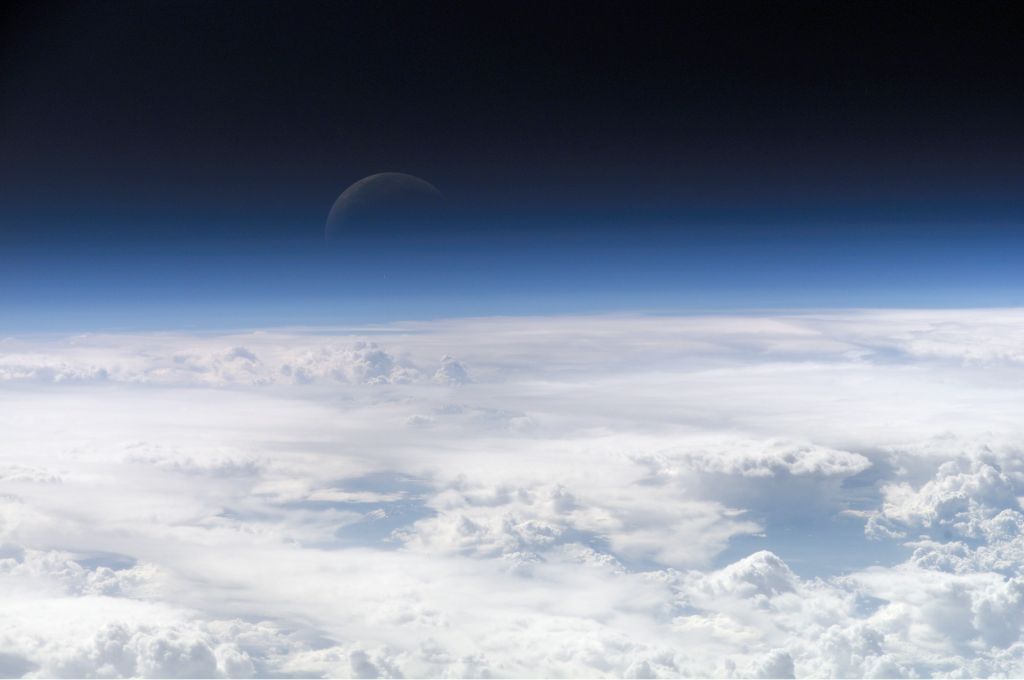 English: View of the crescent moon through the top...
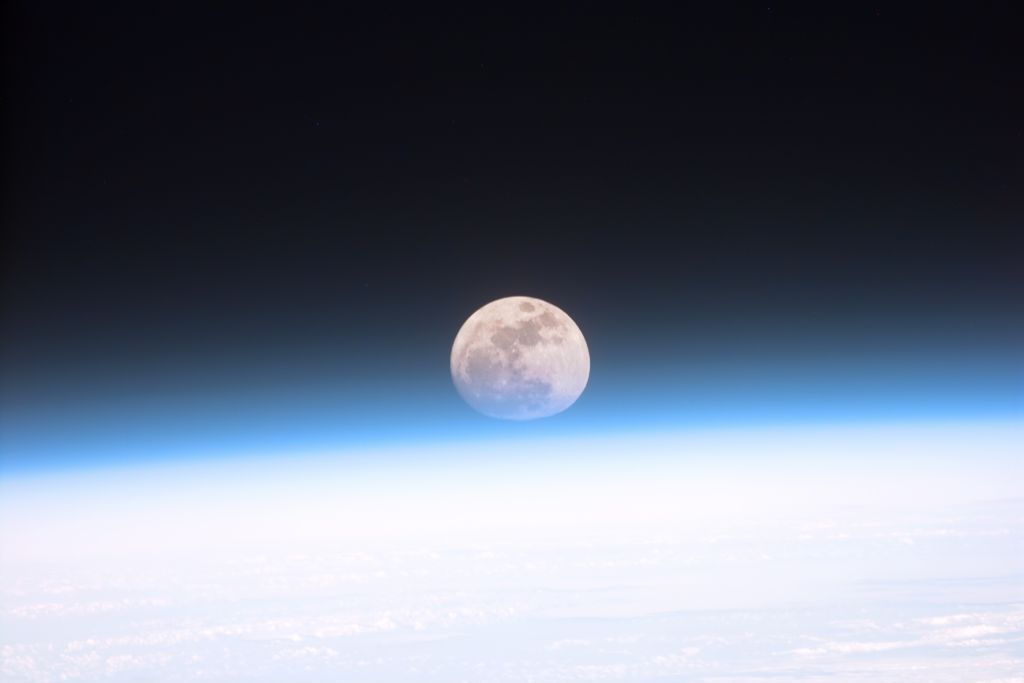 Original caption from NASA: "S103-E-5037 (21 Decem...
Years ago, plate tectonics played a large role in the formation of mountain ranges and continents. As continent-bearing plates collide, the pressure pushes Earth's surface up; the result of this force creates mountains. Plate tectonics continually reshape Earth's continents; some scientists even speculate that our continents were once one giant continent. Earthquakes occur on plate boundaries and occur if plates become stuck while shifting. As unsettling as Earthquakes are, one enormous benefit they provide scientists with is seismic waves. Analysis of these waves offers a complete picture of Earth's interior. For example, we know that our interior is a metal core, which is surrounded by a mantle and a rocky crust.
Other factors that contribute to the shaping of Earth's surface are volcanoes and erosion. When molten rock makes its way to the surface through the...