Poetry Analysis of the poem "I, Too" by Langston Hughes.
The poem I, Too, written by Langston Hughes, uses excellent language, vivid imagery and strong sounds to express the poet's feelings towards racism. I, Too is an anti-discrimination poem, which shows the injustice of racism. The poem is very effective because of its genuine emotions.
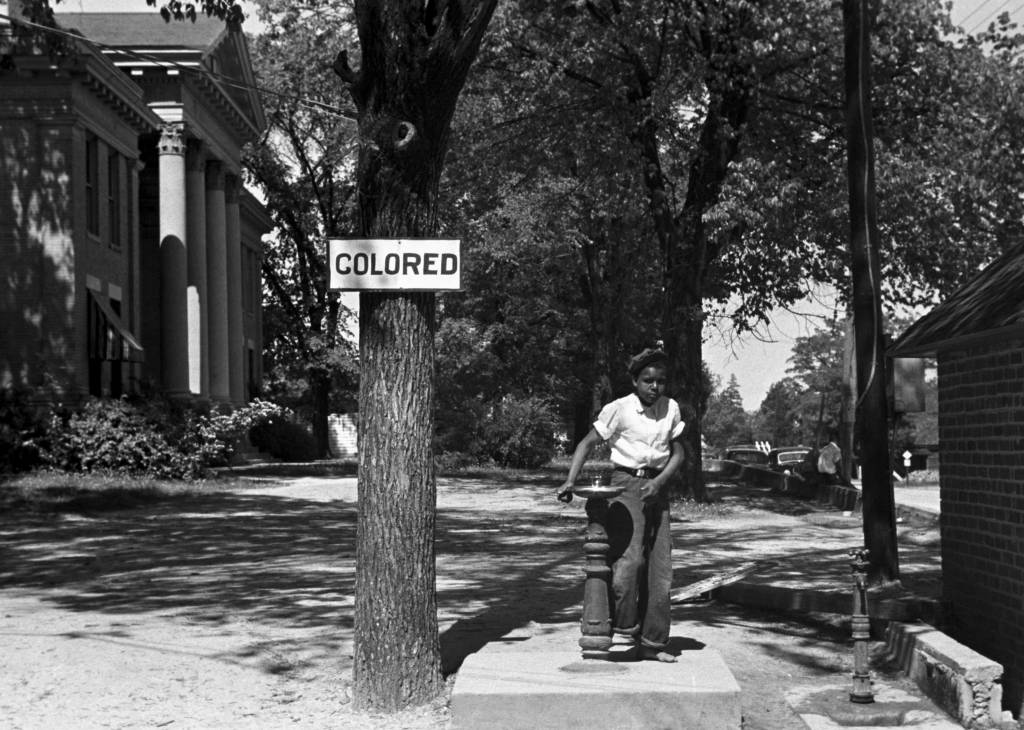
The poem is situated in America and describes a black man's personal experience with racial discrimination. He is treated as if he is an embarrassment to the white people, and made to feel inferior to them.
The poet is trying to show how America "covers up" her racial discrimination "problems." He also wants to convey the importance of racial equality. He wants the reader to understand that this is not just a personal experience, but a voice of his people.
The tone changes throughout the poem. In the first line, the tone is patriotic. The line, "I, too, sing America," indicates the national anthem, and symbolizes unity throughout the nation. In the next stanza, the tone is of anger and strength. The man is enraged at how he is treated, but he knows he is strong enough to fight back. This is shown in the line, "But I laugh,/ and eat well,/ And grow strong." The following stanza's tone is of warning and caution. The man warns the people, that he will become powerful, and that no one will dare to harm him in the future. Then in the next stanza, the tone changes once again. The man is much calmer and speaks proudly that one day "they'll see how beautiful I am/ And be ashamed." In the last line, the tone is once again patriotic.
The poem's structure is irregular. The poem begins and ends with single lines. In between there are 3 stanzas, all of which have different number of lines-6, 7 and...
Reviews of: "Poetry Analysis of the poem "I, Too" by Langston Hughes."
:
More Poetry
essays:
Analyzing Langston Hughes
... Reading this poem one gets the impression of a rather cold America , which totally fits the imagery of Langston Hughes during the 1960s, as the next poems will show as well. Furthermore it should be added that the ...
T.S. Eliot's "Journey of the Magi" is a very visually stimulating poem. In this essay it is diagrammed and broke apart line by line to show the imagery and the tone of the whole overall poem.
... a sort of stirring and made them feel uneasy. The imagery in the poem draws you in and makes you feel that the wisemen must have really wanted to visit the new baby. This poem brings a sense of confusion to ...
Langston Hughes' Realism
... end Langston Hughes was a man changed by time. The fact that “Harlem” differs from “Let America Be America Again” means that Hughes merely grew up. The use of realism in both poems helps ...
“Let America Be America Again” and “Harlem
... end Langston Hughes was a man changed by time. The fact that “Harlem” differs from “Let America Be America Again” means that Hughes merely grew up. The use of realism in both poems helps ...
Research paper on Langston Hughes. Wrote about how he was a successful artist during the Harlem Renaissance, despite racism and various obstacles.
... James) Langston Hughes 1). His goals are shared with other authors from the Harlem Renaissance. These authors all tried to point out racial injustices with ...
This is an essay about how E.E. Cummings uses form in his poems.
... rhyme. One might say that this poem must not be a poem at all, but through careful scrutiny, a reader can see that this jumble of letters and ... . It is composed of fifteen lines, and has only one stanza. The fifteen lines of this poem are indented in eight different ways, with no apparent pattern of ...
Poem "Old Ironsides" by Oliver Wendell Holmes - an explication of the poem
... so that this battleship would not be demolished. The poem saved the ship from being destroyed and gave Holmes national recognition as a poet. The first stanza talks ... down!" is a line from the first stanza that implies the strong emotion of anger. The second stanza talks about the ship's past during ...
Analysis of mark strands keepi
... last stanza explains the narrator’s reason for “moving,” or in other words living: “I move / to keep things whole.” (ll. 16 & 17) He understands that he ... his current idea. The narrator’s viewpoint towards life in this poem is quite different from how most people see it. Where ...
America
where are the refrences
0 out of 0 people found this comment useful.