Positive Effects in Problem-Based Learning
Problem-Based Learning is "Student Centered". This style of learning places most of the responsibility on the students to learn and teach themselves. "Creating assignments and activities that require student input presumably also increases the likelihood of students being motivated to learn." (De Gallow, Grant 2000) With Problem-Based Learning, students are not just sitting behind a desk listening to the teacher lecture, instead they are interacting with the topic using their own ideas to help solve problems. Everyone has a different way of learning which is easier for them. Some of these different types of learning include: visual, hands on , auditory, written, and kinesthetic. The great thing about Problem-Based Learning is that its gives the student the opportunity to learn regardless of what type of learner they are by it covering all of the basic learning styles to fit everyone's needs. "Active, interactive, and collaborative learning on which Problem-Based Learning is based, allows an instructor the rare opportunity to observe students learning process."
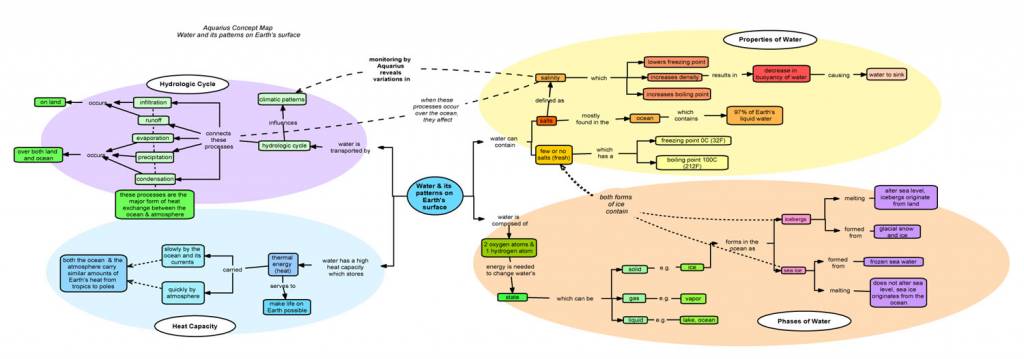 Concept map Water and Its Patterns on Earth's Surf...
 The University of Liverpool's Active Learning Lab ...
 Learning
(De Gallow, Grant 2000) These three types of learning are used in schools all over the world to help prepare students for their health care careers.
Active learning refers to students being actively involved in the discussion by either doing a physical activity or game, brainstorming in groups with other classmates, or presenting ideas in front of the class. With this type learning style the instructor can come up with a fun learning game, a concept map activity, video, or a group project for students to do, either before or after a lecture. Using these activities before a lecture allows the instructor to see how knowledgeable the students are and how well they are able to apply critical thinking skills to solve problems on their own. Using these activities...