Pre-Islamic Bedouin vs. The Teachings of Early Islam
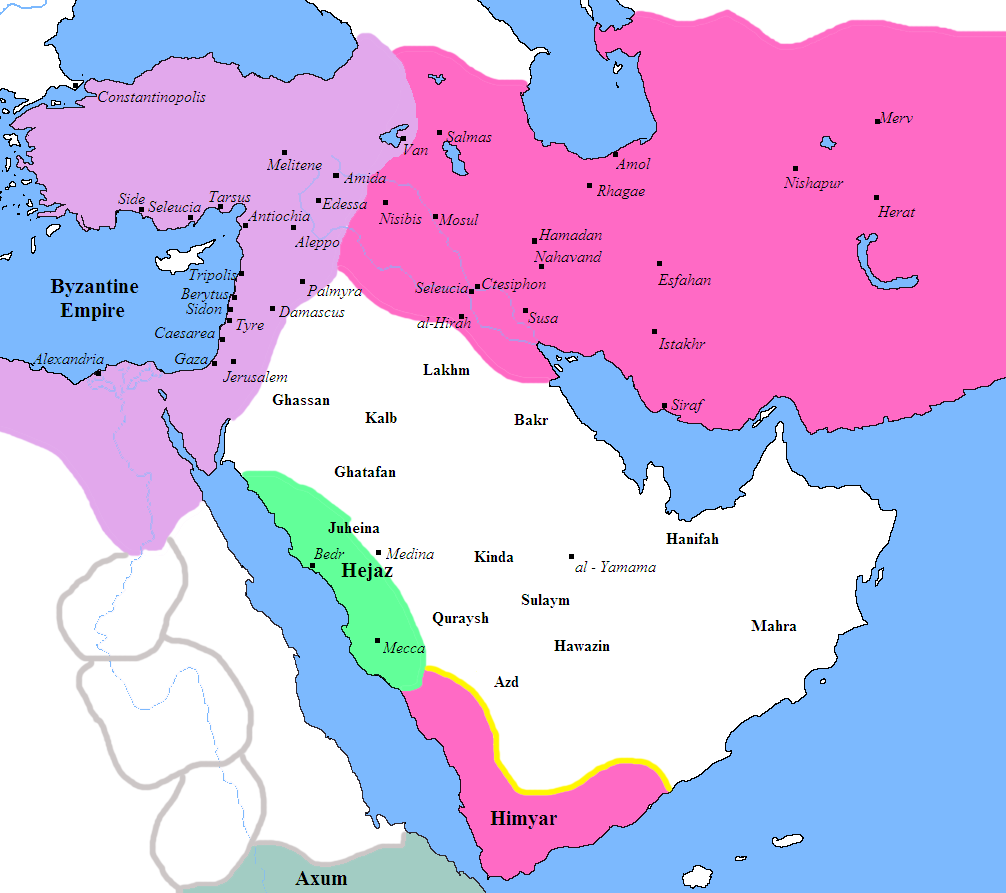
The focal pattern of pre-Islamic Arabia life was rural. Genealogy preserved family, clan and tribal purity. The livelihood of the Bedouin included raising camel and sheep, hunting, and escorting caravans through the desert. The Bedouin also participated in raids in which settled people were attacked for goods such as camels, horses, slaves, gold and fine fabrics. A superior force usually attacked a weaker force in these raids. Raiding was instrumental in developing the tradition of skillful weapon handling, while the loyalties associated with certain tribal affiliations provided cohesion for generations to come (Denny, 45). The basic organization of the Bedouin social system started with the family. A clan was comprised of numerous families meanwhile several related clans constituted a tribe. The head of the clan was the shaykh who acted as a chief and was usually chosen amongst the eldest and wisest men in the clan. The religious practices of pre-Islamic Bedouin were idolatrous and polytheist to say the least. Different families and tribes worshipped different gods and deities, resulting in an unstable religious atmosphere. The rise of Islam inspired an urban movement in pre-Islamic Arabia, which attacked the Bedouin lifestyle on a religious, social and political basis.
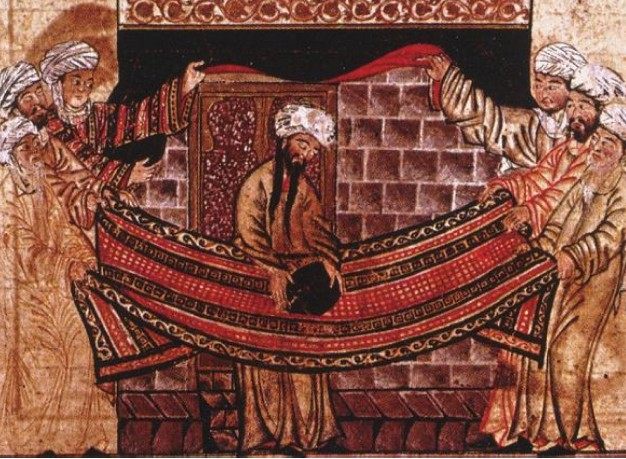
Prior to the prophet hood of Muhammad and advent of Islam, religion in Arabia was present in the form of polytheism, idolatry and stone worship. Many deities were worshipped and even the Kaba was guilty of containing the god Habul and 360 others. These divinities were both male and female. For example, the daughters of Allah: al-Uzza, al-Lat and Manat. Sacrifices were made at various shrines, with each community having its own patron deity. Pilgrimages were made to these shrines where the deities were circumambulated in the same manner as the Kaba. Lastly, unusually shaped stones often marked the sites of sacred...
More Islam
essays:
How did Islamic beliefs affect Islamic art? How did it affect the status of Muslim women? How did it affect the language of Muslims?
... of Hariem prohibits females making any contact with a male outside of the family. A custom that many follow today if that women are covered from ... so simple. They used simple elements and made beaurtiful works of art. From basic ceramics like glass to textiles like silk, all were apart of Islamic art. ...
Title: Muhammads Life and his Teachings. This paper is a chronological detail of the great Prophet Muhammad. It includes the details of the Islamic faith.
... Romans, it was governed by strong, independent, wealthy and powerful families. Most of the Arabic people in Muhammads time believed in ... how to fight and to make a poor living raising sheep with his nomadic uncles and aunts. He learned of both ...
Assess the extent and impact of Muhammad's influence on the society at the time, and his role as the founder of the Islamic Faith.
... violent and uncivilised society. The social organisation was one of clans and tribes, basically groups which offered security, a sense of identity, and support ... the tribes of the Arab world all had a similar religious system at the time, one of a pagan system, with ...
Reveiw of Jan Goodwin's The Price of Honor: an in-depth critical analysis of Goodwin's book about women and Islam.
... dialogue. There is not much time spent on assessing the acts of repression and violence for their cultural verses religious foundations. She does touch on this enough that you understand ...
"Islam and The Destiny of Man" By Frithjof Schuon
... of all Islamic doctrine, as it is of all Muslim practice. 'No divinity but God' indicates that nothing is absolute beside ... because the thorn trees are not immediately visible. In every religious tradition and in every ancient legend sacred things and sacred ...
This essay compares the teachings of Muhammad and Jesus.
... family of Jewish political refuges. I believe that the high respect Muhammad was born with was integral in allowing him the freedom pursue him religious ... in the seclusion of the desert. They were asked to perform supernatural acts to prove their connections with God but both refused to exploit this ...
The Concept Of Martyrdom In Islam
... covering the entire area of human notion and action, beliefs and practices, thought, word, and deed. Islamic principles and concepts cannot be ... is not the monopoly of Islam (though it is the monopoly of spiritual, religious, and divine systems, and cannot be claimed by followers of materialistic ...
Women in Muslim Society
... women given in Islamic Law. 3. Throughout history, the reputation, purity and maternal role of Muslim women were objects of admiration ... Yet, man's role of leadership in relation to his family does not mean he is boss over his wife. Islam ...