First introduced to literary studies in the 1920s and 1940s, Freud's psychoanalytic criticism still survives today. Psychoanalytic criticism provides a stimulating approach to literary analysis that holds that we humans are complex yet somewhat understandable creatures who often fail to note the influence of the unconscious on our motivations and our everyday actions. While Freud was working with patients whom he diagnosed as hysterics, he theorized that the root of their problems was psychological, not physical. Freud developed various models of the human psyche that became the changing bases of his psychoanalytic theory and practice. The first one is dynamic model, asserting that our minds are a dichotomy consisting of the conscious and the unconscious. And Freud suggested that it is the unconscious that governs a large part of our actions. The second one is economic model. In the economic model, Freud introduces two new concepts that describe and help govern the human psyche: the pleasure principle and the reality principle.
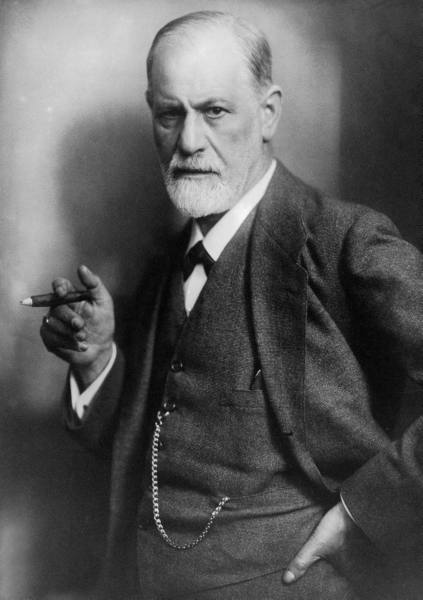 Sigmund Freud, founder of psychoanalysis, smoking ...
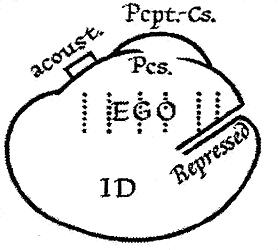 Freud's diagrams from 'The Ego and the Id' (1923)
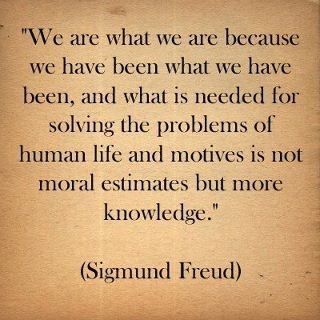 Sigmund Freud Quote
The pleasure principle craves only pleasures, and it desires instantaneous satisfaction of instinctual drives. But the pleasure principle is held in check by the reality principle, that part of the psyche that recognizes the need for societal standards and regulations on pleasure. The third one is Topographic model. This model divides the psyche into three parts: the id, the ego, and the superego. The irrational, instinctual, unknown, and unconscious part of the psyche is the id. The second part of the psyche is the ego, the rational, logical waking part of the mind, although much of its activities remain in the unconscious. The third part of the psyche is the superego that acts as an internal censor causing us to make moral judgments in light of social pressures.
Freud developed several stages of human development that are important to...