what really happened at Masada?
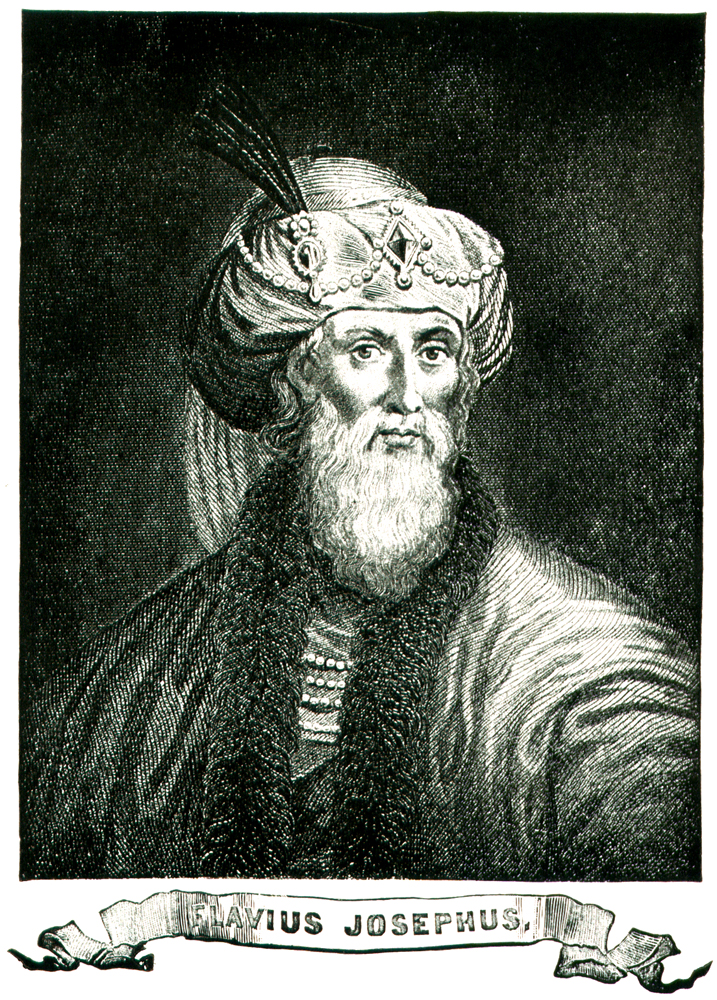
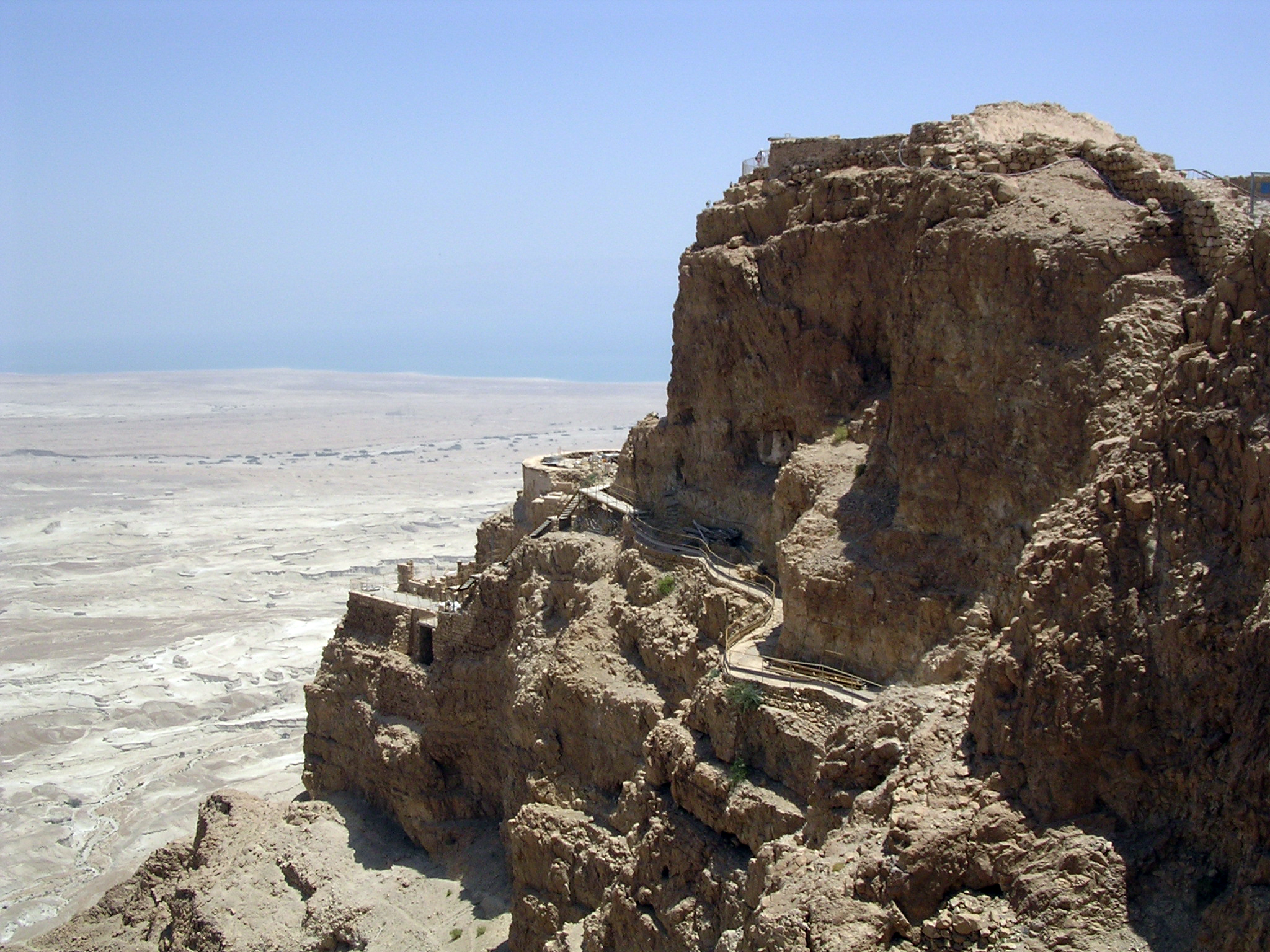
Masada Position PaperAt one of the lowest points on Earth, by the Dead Sea in Israel, a flat-topped mountain called Masada became a metaphor for the new state of Israela place where, Jews making their last stand against the Romans, three years after Jerusalem fell in 70 A.D., finally chose mass suicide over surrender. Never again will Masada fall became the refrain (Ben-Yehuda et al, 1998). According to historian Josephus Flavius in his writings in The Jewish War, over 900 zealots fled Jerusalems destruction in 70 AD to a fortress built by Herod called Masada where they held out under Roman siege until 73 AD when Roman troops finally breached its walls. Since it was late in the day, the Romans delayed the final attack until dawn when they came upon the Zealots, already dead save a few women and children who hid.
However, Josephus did not report a mass suicide, but really a mass murder where ten men killed the remaining families, one man killed the ten, and only one man actually committed suicide. Additionally, while the broad outlines of the siege are confirmed by archeological evidence from Israeli archeologist, Yadins, excavations from 1963-1965, the elements of Josephuss account that made Masada a national symbol does not seem plausible. Yes, a few bodies were found on Masada, but 25 of them were found with pig bones, and were therefore probably Roman (Ben-Yehuda et al, 1998.) Furthermore, that still leaves over 900 bodies undiscovered, although they could have been buried beneath the monastery during the Byzantine Empire, or thrown of the side of mountain and buried below (Ben-Yehuda et al, 1998). The ramp built up the western side of Masada, and the lots bearing names of Zealots including Ben Yair were also found, but other factors, such as suicide being...
More Archaeology
essays:
How agriculture cropped up
... a state of relative equilibrium, and that humans would not have looked for methods of increasing ... lack of archaeological evidence to support it. Evidence for early agriculture has been found throughout the Near East in both open sites and mountainous sites. The mountainous sites ...
The James Ossuary and the Jehoash Tablet.
... inscription stated. In Lemaires expert opinion, the inscription appeared authentic, and the Ossuary passed the examination by the Geological Survey of Israel (Cline ...
Chinese Views on Death and Dying Burial Techniques, Rituals and Beliefs of the Common Man
... do not directly pertain to spirits who are in a state of unrest. In China a ghost, a male ghost is called ... usually rice wine, is poured into three cups for the dead on the burial grounds. This is the last rite before the body passes on to become an ancestor ...
Excavation is destruction." Explore with examples a range of justifications given for excavating sites.
... have excavations determined it to have been the fourth largest Roman city in Britain, they were undertaken in such a way ... Archaeological strata in the site have led them to find evidence of Bronze Age occupancy. Whilst not nationally important it is an ...
Radiocarbon Dating: Merits and Drawbacks.
... effect of local weather conditions. The bristlecone pines in the White Mountains of California ... onset of the Industrial Revolution; it is because of this that it is called the "Industrial Effect". The "Industrial Effect" refers to the mass release of CO2 ...
Neotextual narrative and the interpretation of Stonehenge
... premise of society suggests that narrative is created by the masses. It could be said that the stasis, and subsequent fatal flaw, of textual ... paradigm of expression or conclude that narrativity is capable of significant form. Therefore, Bataille's critique of neotextual narrative states that ...
Transitions of Reptiles to Mammals
... astoundingly different from those at the beginning. As Gingerich has stated (1977) 'While living mammals are well seperated from other groups of animals today, the fossil record clearly shows their origin from ...
Evidence for a Goddess Cult at Çatal Hüyük
... she states that, based on the available archaeological evidence, there is no justification for the "elevation of one of these deities to pre-eminence within the religion of Çatal ...