The reason Japan able to modernize its industry, military and government to the point that they could compete with the west, while the rest of Asia lagged behind
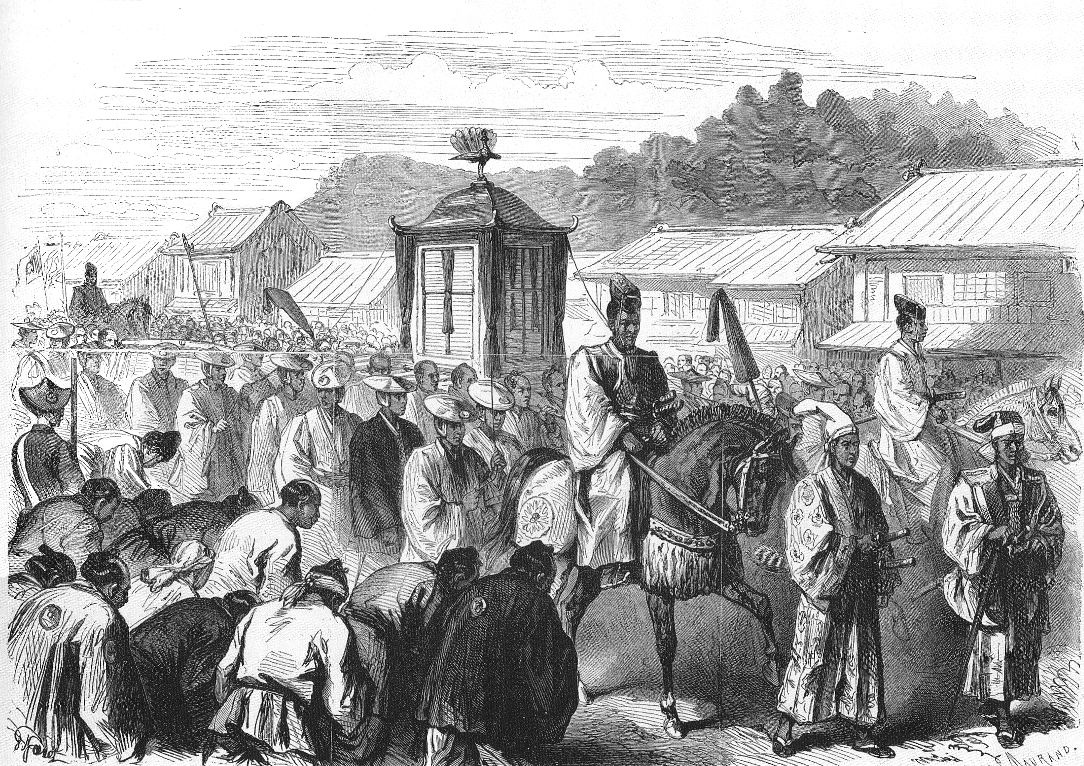
the reason why Japan was able to modernize its industry, military and government to the point where they were able to compete with the west, while the rest of Asia lagged behind was due to the fact that they were flexible. They realized that in order to become more powerful than the west they needed to modernize and get their technology, industry, military and government up to date so they could improve and become more advanced than the other world powers. They knew that if they continued living as they were (under their strict and ancient ways of life and traditions) they were not going to become anything significant, but instead end up defeated and ruled by the west (who they despised).
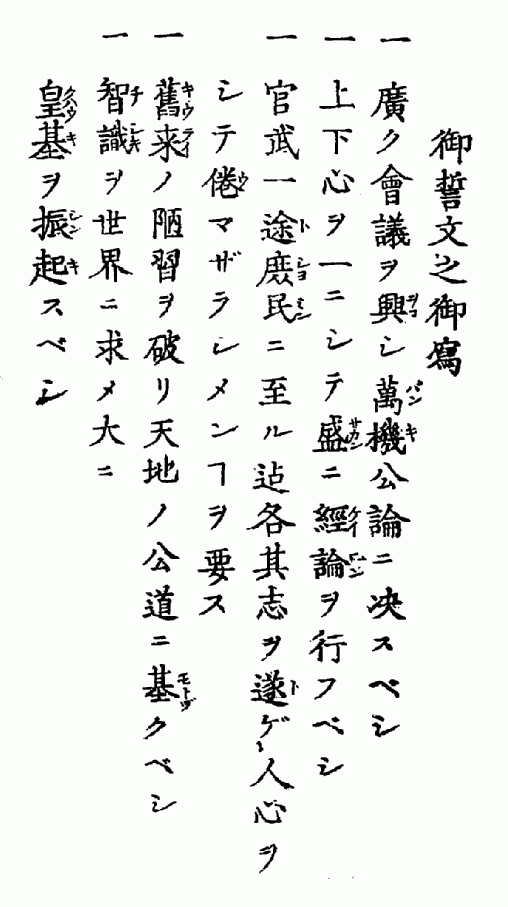
Japan had an emperor and they had the same values as the Chinese, they too believed in Confucianism. It became evident to the Japanese that if they had the same beliefs, values and way of life as the Chinese, they would end up in the same boat as them and never be a world power. This recognition of what they had to change led to new developments. They changed the system of government from the Tokugawa Bakafu having complete political power to a small group of Nobles and former samurai.
In 1853 Japan was a feudal country. The stage of development they were at was that of the renaissance period in Europe, which meant they were approximately 600 years behind the west. Japan's determination to succeed and become superior and powerful was so strong that in only 40 years, they were on the same level as the west.
Japan decided to negotiate with the west. They knew that if they did not negotiate they would not be able to rise and meet their goals of becoming a world...
More Asian History
essays:
Change in Japan since its integration with the rest of the world after the 1868 Meiji Restoration. Define which aspects have been retained, invented, or abandoned, in the process.
... as they had previously during Imperial Japan, Fujitani (1992) argues that the emperor is symbolic of Japanese history, culture and traditions, while also encouraging active forgetting of Japans aggressive activities before and during World War ...
Why Was Japan Able To Mondernise So Successfully?
... a world power. Japans transition from a agricultural to a industrial orientated country was not that hard. Various industries in Japan were already well developed, they just ...
Evaluate the causes and failure of the self-strengthening movement. How did its failure affect China up to 1912?
... military technology, it is inevitable we need help from the western powers. However, the officials never think of training the Chinese to become the experts. They just kept on relying on the foreigners unreasonably, The Chinese assumed that all ...
A Global Perspective of the Ancient World: A Comparison of the Indus Valley Civilization to Modern Western Civilization. International Baccalaureate
... that was used to control trade. Like the Harappan Civilization, technological advances in Modern Western Civilization have resulted in economic growth. The invention of electricity revolutionized the production process, subsequently increasing trade and profits. The growth of the auto industry ...
Discrimination of the Ainu in Japan
... and other agricultural vegetation. They also started an imperial family that they considered to be direct descendants from the sun goddess, Amaterasu. This belief was the beginning of the Japanese belief of the divine nature of their emperors. While ...
How were Pol Pot and the Khmer Rouge able to maintain power in Cambodia between 1975 and 1979?
... took power in 1975. The book provides several interviews with Cambodians describing what they endured and how the Pol Pot regime transformed Cambodian society. Seeing that Ben ...
The History Of Manga
... the world. The artists of Ukiyo-e also created shunga, which were erotic comics. Shunga Once in a while authorities tried to ban shunga but it was not until the confirmation of Christian concepts of morality that they were ...
China during the periods 221bc to 220ad and 581ad to 907 ad.
... on Confucian ideals. This can be seen in three Chinese dynasties; the Han, Sui, and Tan. Even though they differed in some ways, they were very similar in the ways that they operated ...