Reasons for the french revolution
FRENCH REVOLUTION
CAUSES
1st and 2nd estates did not pay taxes
While the middle class (bourgeoisie) or 3er estate, had to. This included the (lawyers, doctors, etc) who could not advance to the other social class and were treated like pesetas
both aristocratic and the bourgeois elites began to have accustomed to a new social economical reality based on - wealth -economical achievement
were increasingly frustrated by the monarchal system resting on privileges and on an old and rigid social order based on the concept of the estates
A growing frustration at the monarchy's inability to deal with new social realities of the time. (bad harvest that resulted in a depression and food shortage --- 1787-88) rising prices for food and other necessities , and also causing unemployment
collapse in the governments finances , while the government has to face the debts because of the wars France has fought , and the debts because of the debts of royal extravagant lifestyle
government calls the ESTATE GENERAL ( French parliament) that has not been called since 1614 admitting the nation required to raise taxes
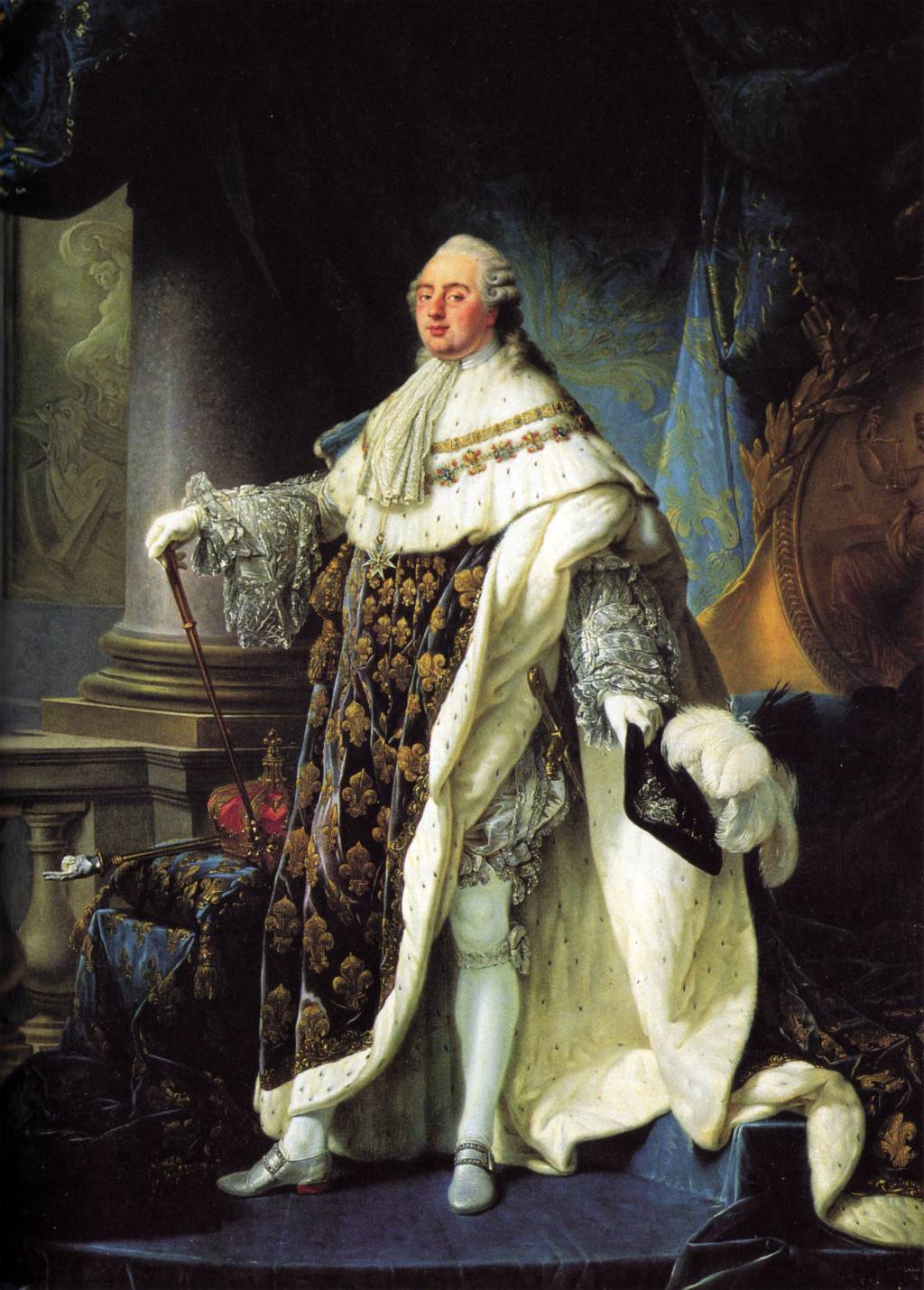
LOUIS XVI
Louis XV grandson, 23 yrs old when he turns to be ling
Knows little about the French government and marries to an Austrian princess named Marie Antoinette.
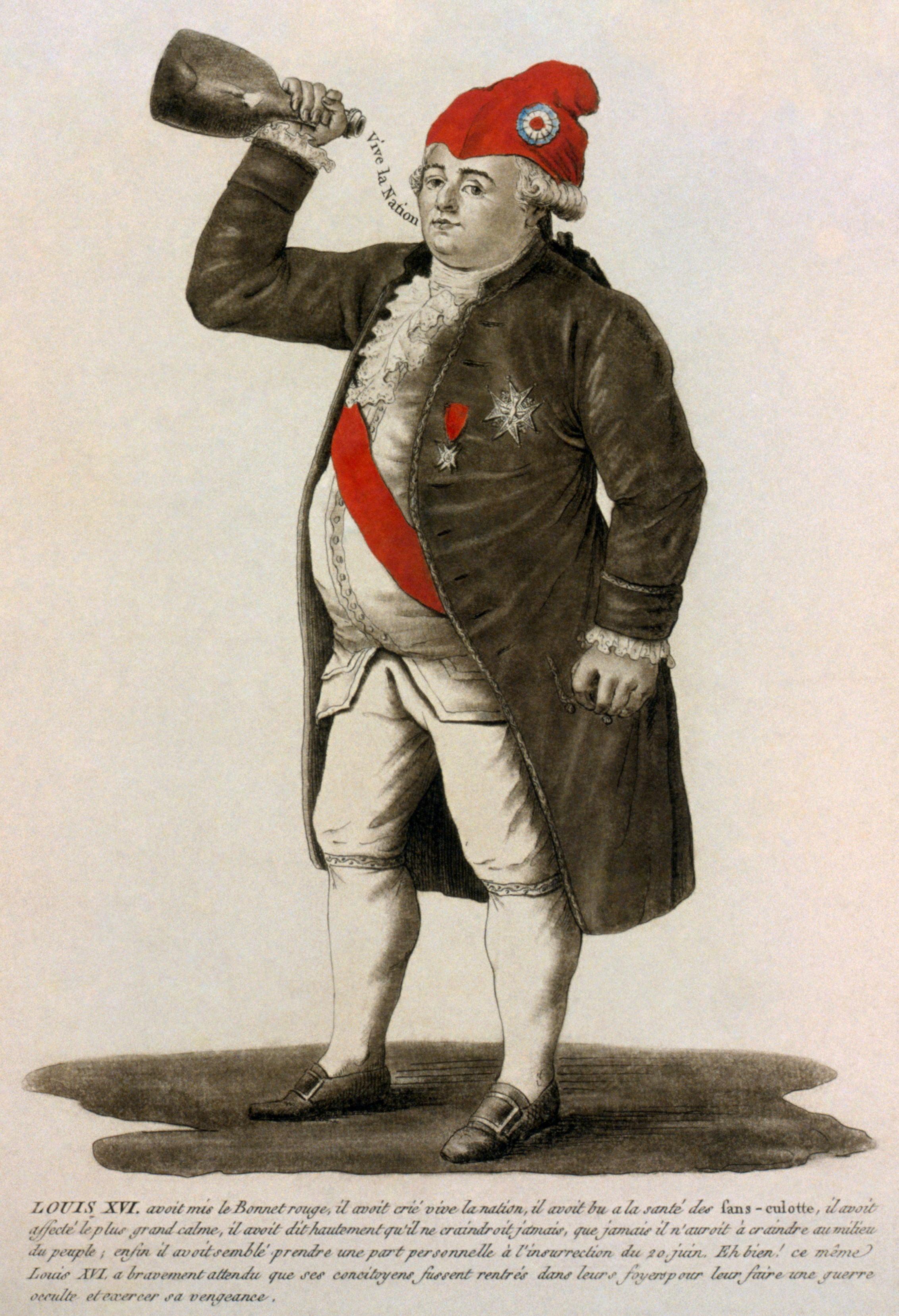
CAHIERS DE DOLEANCES -
Statement of local government which were drafted throughout France during elections to the ESTATES GENERAL
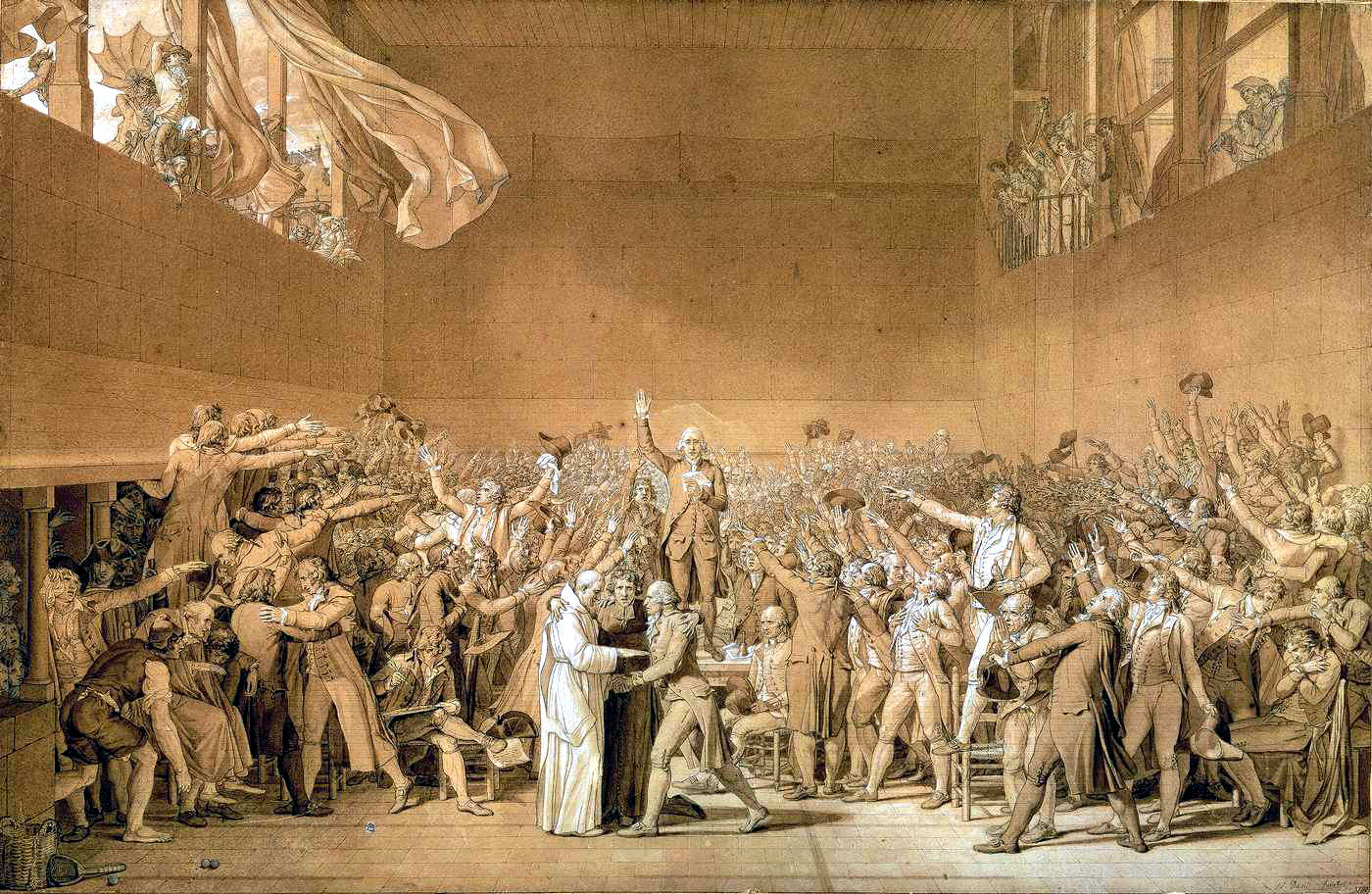
NATIONAL ASSEMBLY
Was created by the 3rd estate and they decided to draw up a constitution
ABBE SEYES
Issued a pamphlet in which he asked, "What is the 3rd estate "EVERYTHING, what does it demand? TO BECOME SOMETHING Sieyes statement however, was not representative of the general feeling in 1789, most delegates still wanted to make changes within a frame work of respect for the authority of the king...
More The French Revolution
essays:
IN DEPTH ANALYSIS AND REASONS FOR THE FRENCH REVOLUTION
... the French Revolution started the Europeans saw that people had natural rights such as freedom, equality and laws that were good for both the society and the government. So several revolutions had ... The bourgeoisie resented the privileges of the nobles. ·Yes the bourgeoisie were ...
"The French Revolution was a radical political revolution with conservative social consequences". Do you agree? Why?
... the French Revolution at creating a social paradigm ... nothing yet it was everything. This powerful idea that the bourgeoisie and the peasants, all members of the third estate, were ...
The French revolution - To what extent was Louis XVI responsible for the revolution in France from 1789 to 1792?
... the French Revolution. Firstly, the reason why the government was ... while the aristocrats and the church got every kind of privileges that they didnt have (Waugh S. 2002 p. 84). It was this frustrating unfairness oppressing the people at the bottom of France for ...
What were the causes for the French Revolution? (suggestion for improvement: add the calling of the Estates General and the subsequent split which led to the National Assembley)
... absolute monarchy. Still, a series of events quickly put an end to this system as the French Revolution took place in 1789, provoked by a series of causes such as the collision of powers between the bourgeoisie and ...
Reign of Terror was during the French Revolution.
... the French Revolution was completely transformed into fear and paranoia. The Reign of Terror has some elements of a massive revenge campaign against the oppressive regime of the monarchy. However ... stratified social class structure dominated French culture and politics. The privileged classes ...
History: French Revolution: Discuss how the social and political situation made fertile ground for the French revolution
... the social and political causes made fertile ground for the French revolution King ... had privileges that peasants and third estate never had. For example, First estate and clergy could hunt and fish for sport but third estate could not fish or hunt for food. This frustrated peasants ...
The French Revolution: Assess the view that the main cause of the French revolution was popular discontent.
... view that popular discontent was the main reason for the French Revolution, rather it was an effect caused by the economic situation ...
To what extent was Louis XVI responsible for the revolution in France from 1789 to 1792?
... economical, social and cultural factors that led up to the French Revolution, this ... could barely support their families in face of the rising food costs and unemployment. Riots such as the Reveillon riot broke out (Hetherton 1992 ...