"No commodity on the face of the Earth has been wrested from the soil or the seas, from the skies or the bowels of the earth with such misery and human blood as sugar" ...(Anon)
Sugar in its many forms is as old as the Earth itself. It is a sweet tasting thing for which humans have a natural desire. However there is more to sugar than its sweet taste, rather cane sugar has been shown historically to have generated a complex process of cultural change altering the lives of all those it has touched, both the people who grew the commodity and those for whom it was grown. Suprisingly, for something so desireable knowledge of sugar cane spread vey slow. First found in Guinea and first farmed in India (sources vary on this), knowledge of it would only arrive in Europe thousands of years later. However, there is more to the history of sugar cane than a simple story of how something was adopted piecemeal into various cultures.
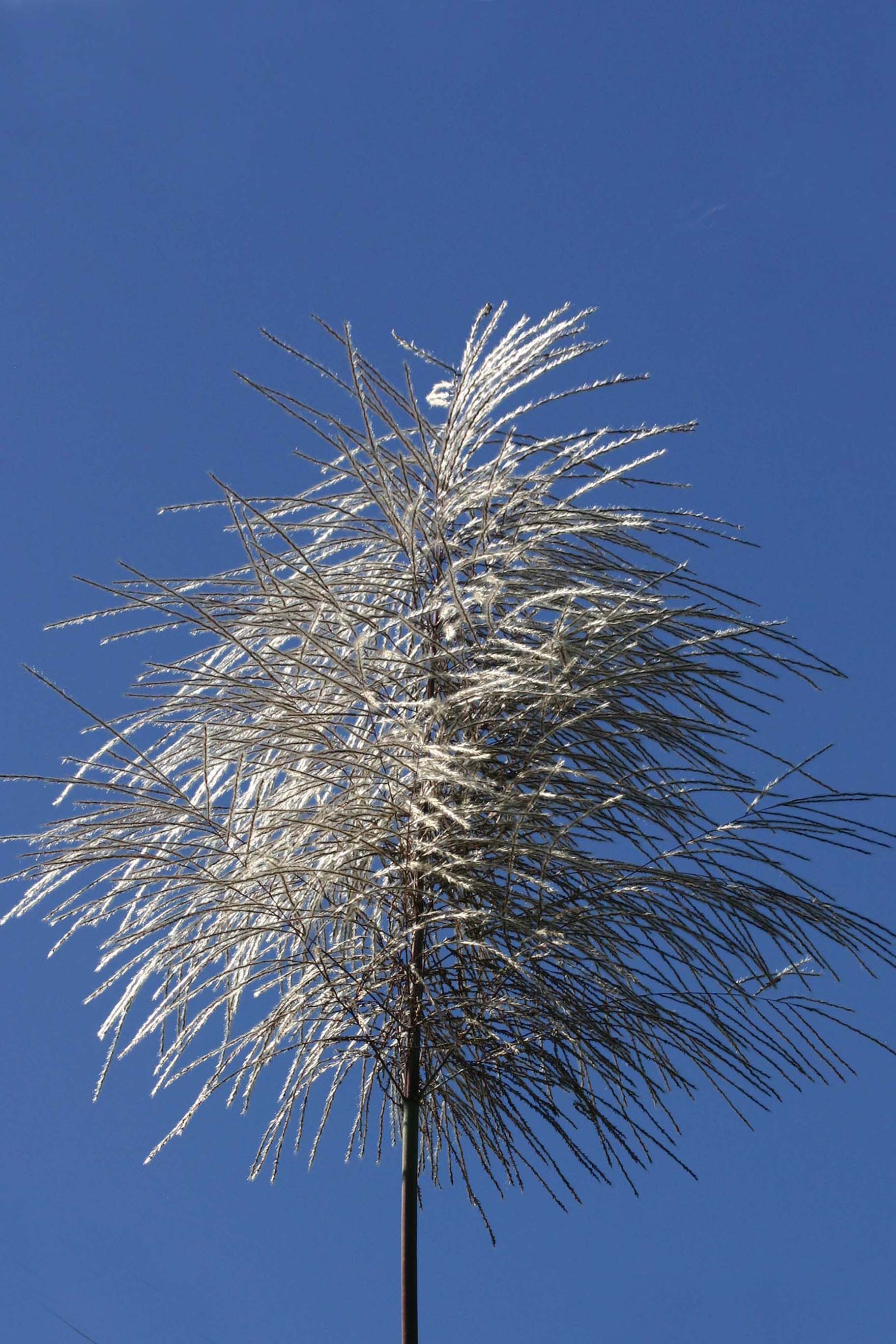 English: Sugar cane flower in December in Dominica
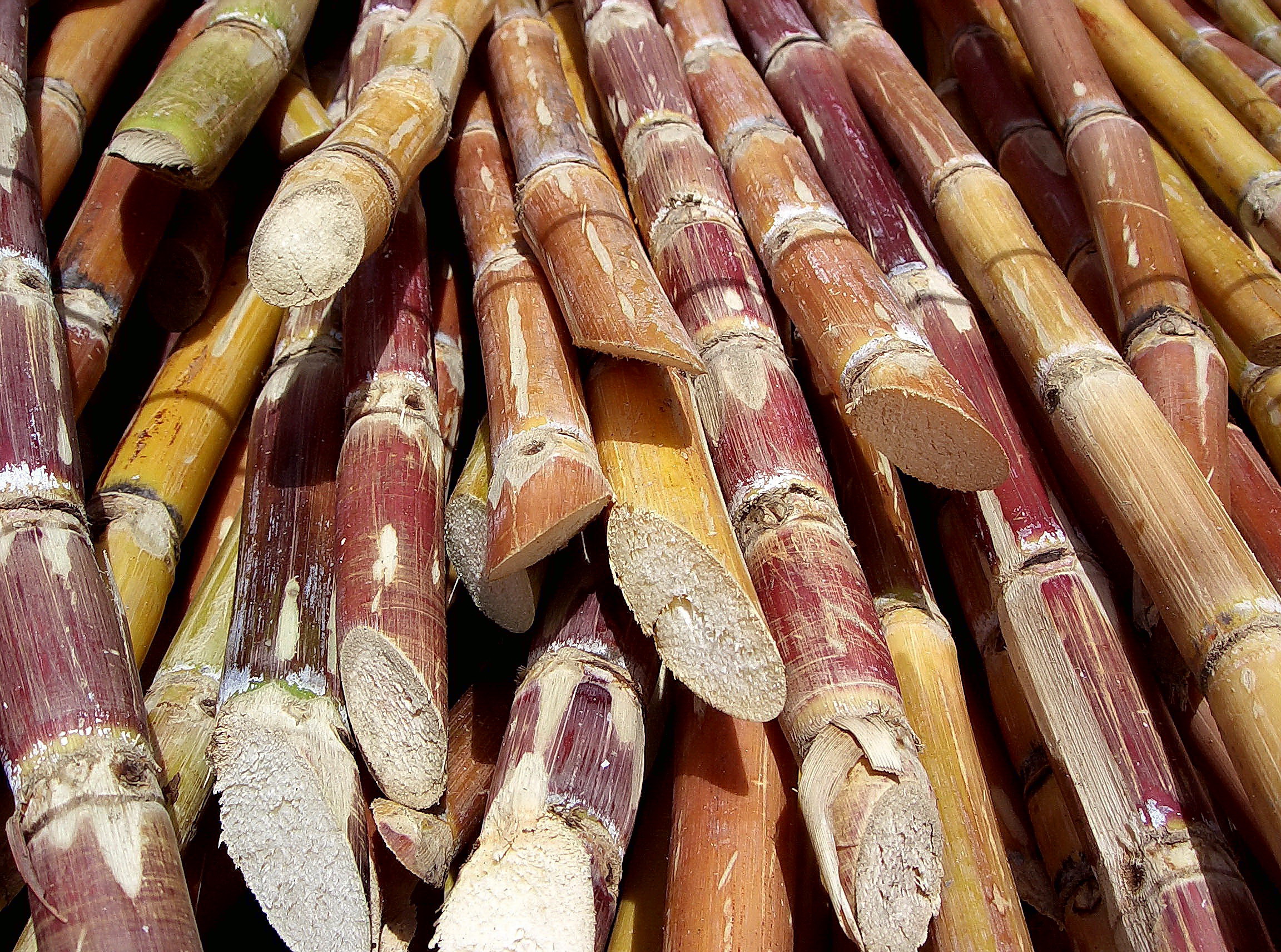 Venezuelan sugar cane (Saccharum) harvested for pr...
 Small sugar cane field on Madeira
Rather the history of sugar , with regards to this question, really only takes off with its introduction to Europe. First exposed to the delights of sugar cane during the crusades, Europeans quickly acquired a taste for this sweet substance. This essay is really a legacy of that introduction, as it is this event which foreshadowed the sugar related explosion of trade in slaves. Indeed Henry Hobhouse in 'Seeds of Change' goes so far as to say that "Sugar was the first dependance upon which led Europeans to establish tropical mono cultures to satisfy their own addiction". I wish, then, to show the repurcussions of sugar's introduction into Europe and consequently into the New World, and outline especially that parallel between the sugar trade and the trade in slaves. It...
The relationship between sugar and slavery in the early modern period.
Very good essay. It really explains the intricate bonding between sweets and slavery. Well done.
1 out of 1 people found this comment useful.