Tuesday, January 29, 1969 began as a normal work day on Unions Oil's Platform Alpha off the coast of Santa Barbara, California. Workers were pulling up a drilling tube in well A32 in order to replace a broken drill bit. When the tube became stuck, they continued to pull until approximately 10:45 a.m. when loose natural gas 3000 feet below the ocean's surface became dislodged, causing mud and oil to shoot up out of the water onto the panicked workers (Welsh, 1989, 1 para.). They were able to plug the well, but the pressurized oil and gas burst through the thin ocean floor 800 feet away from the platform. Five long gashes had been cut into the sea floor, allowing over 200,000 gallons of crude oil and natural gas to pollute the waters in the twelve days that it took workers to control the leaks (1969 Oil Spill, para.
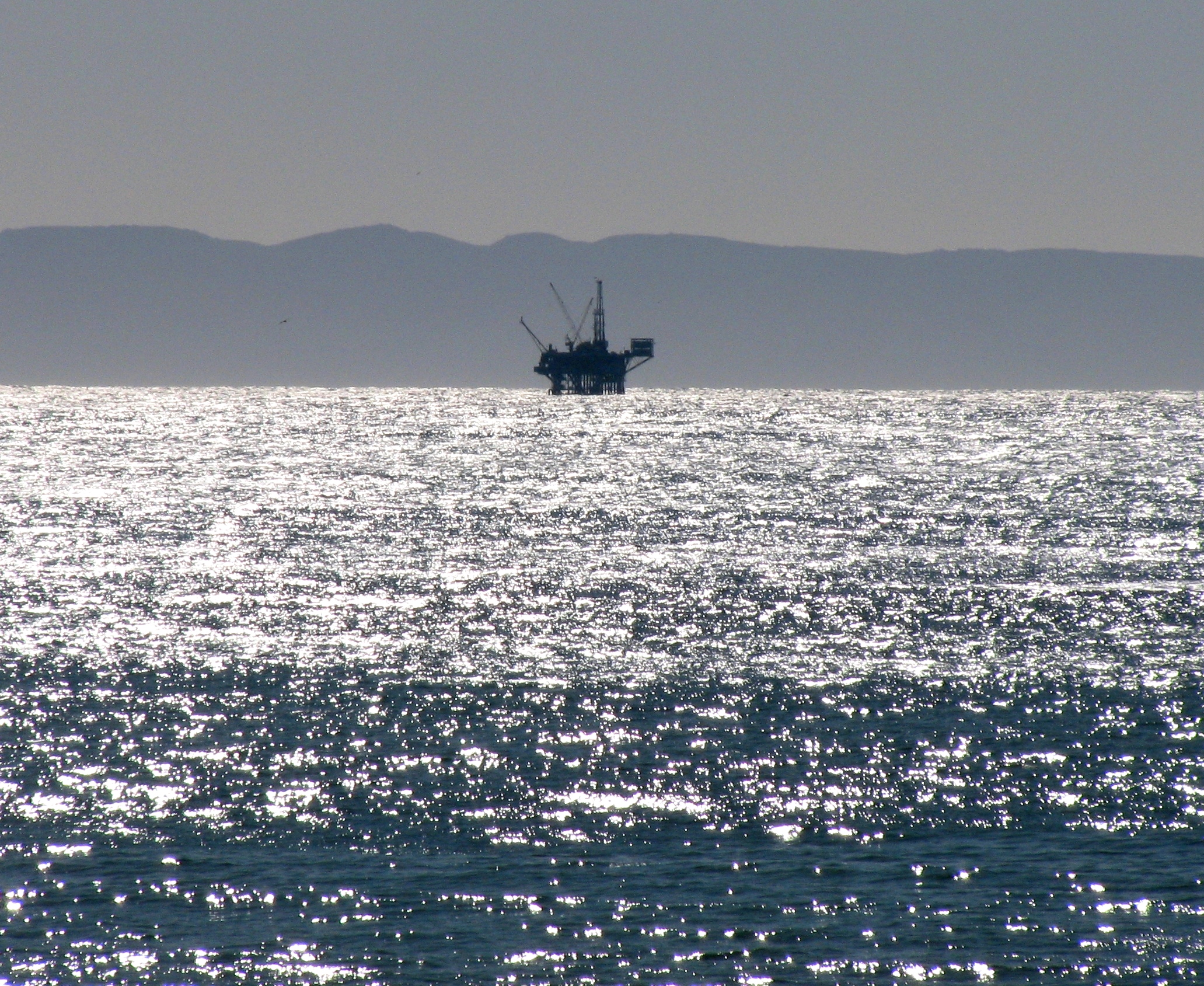 English: DCOR LLC's Platform A, in November 2009, ...
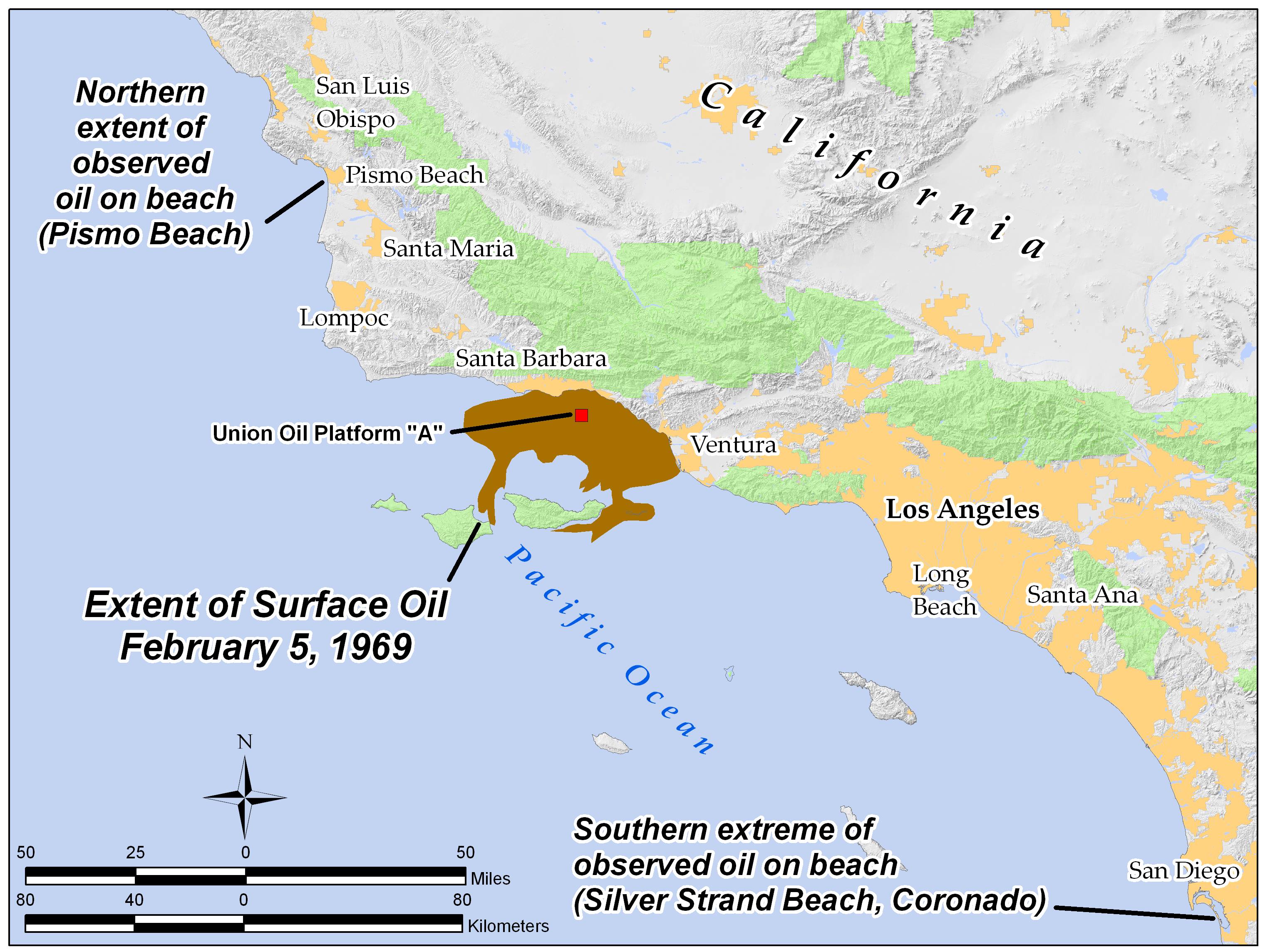 English: Extents of 1969 oil spill. By self in Arc...
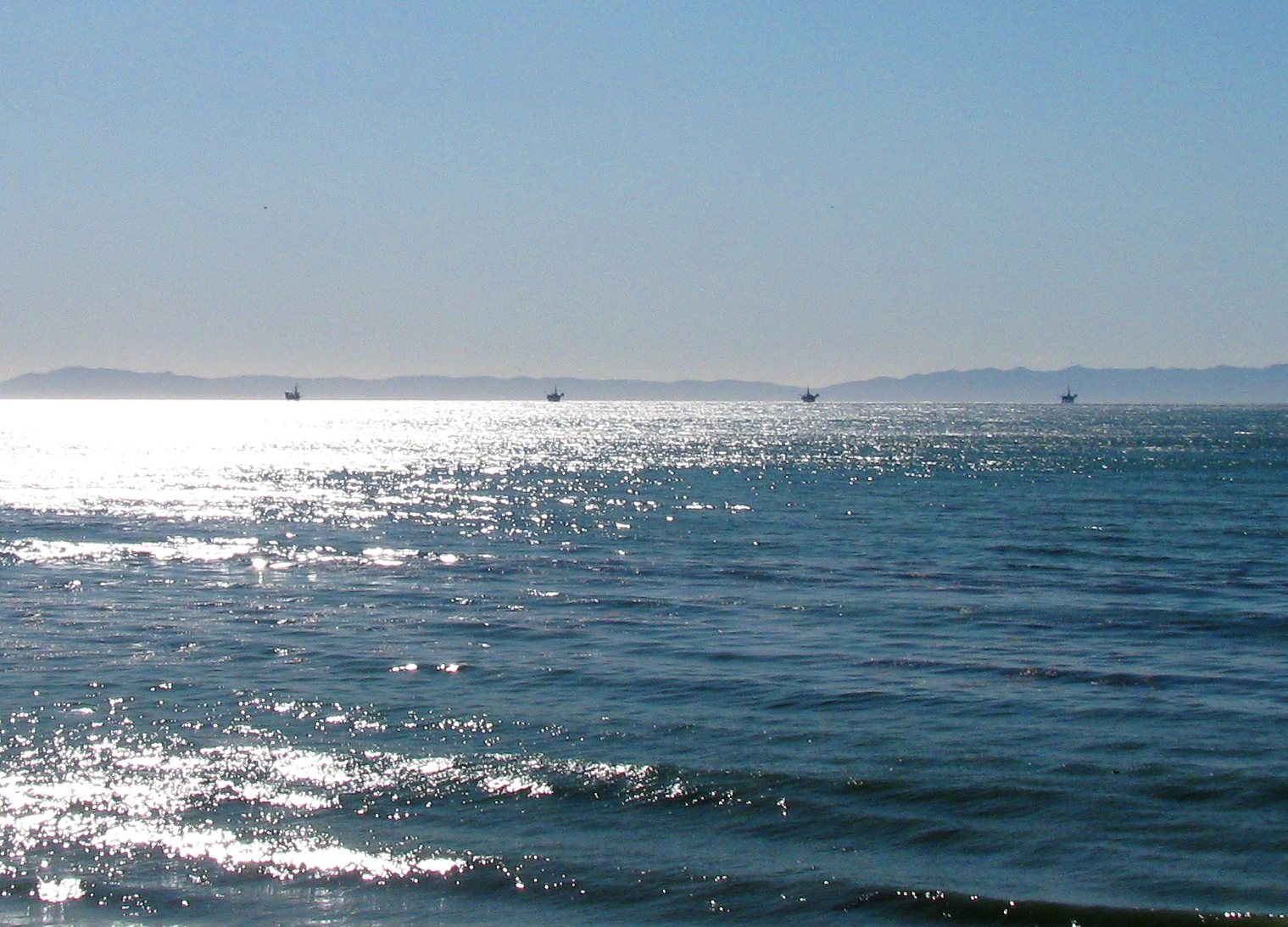 English: The four oil drilling platforms of the Do...
7). In what the Los Angeles Time in 1989 called "the worst oil spill in the nation's history [to date]," the Santa Barbara Oil Spill brought oil drilling issues into the public eye and set about radical changes in government policies about offshore oil drilling (Corwin, 1989, para. 2).
The Santa Barbara Oil Spill not only tarnished the reputation of the oil industry, it also cost the lives of countless sea-dependent animals, nearly wiped out the local fishing business, and temporarily damaged an economy that was 80 percent dependent on tourist trade (Graham, 1999, p. 27). The spill filled many people with doubt for the safety claims that the oil industry and the American government had made. Environmental activism increased as people became more aware of the problems associated with offshore drilling. Large increases in the membership of environmental organizations showed that people were beginning to ask questions...