Resource Wars : Consumer Commodities
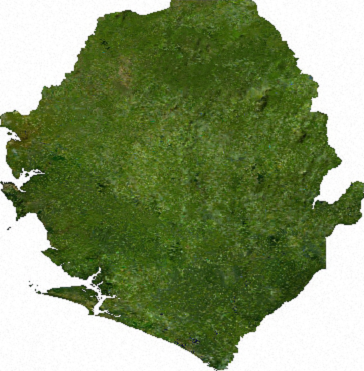
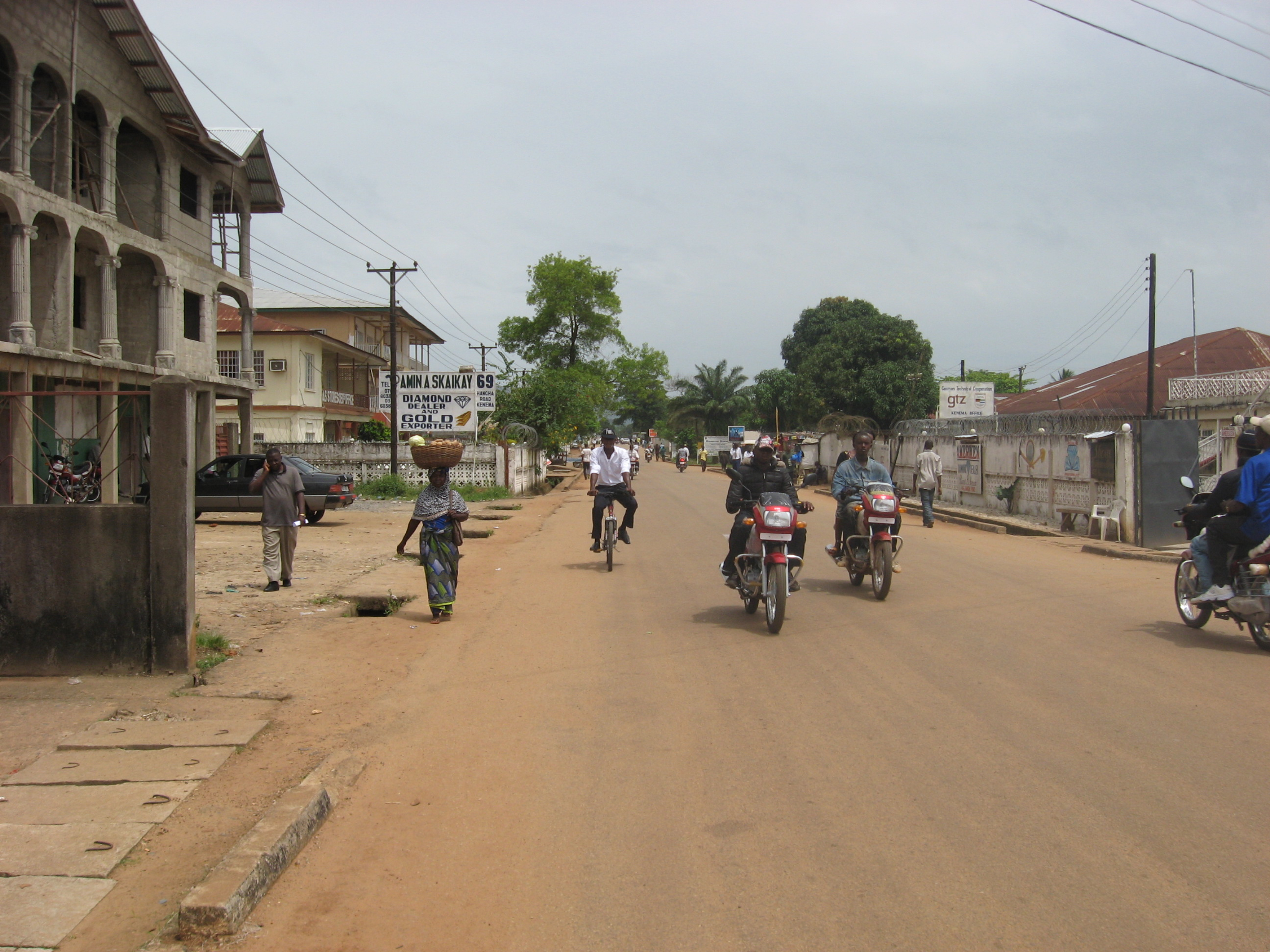
It wouldn't cross your mind at the moment, the moment a lot of people wait their whole lives for, your wedding day, that the diamonds in the ring may well have come from the war fields of Angola or Sierra Leone, where hundreds of thousands of people have been killed in order for regional groups to gain control of diamond fields. Nor would it cross your mind when you send a text message on your mobile that hundreds of thousands of people have died in the Democratic Republic of Congo to gain access to a mineral called coltan, needed to produce electronic equipment such as mobile phones. However conflicts over commodities such as these are a reality- a reality that the consumers of the world need to be aware of and a reality that will no doubt continue unless there is international measures to address the problem.
Though water and oil may be the two most highly sought after resources, there are still many other resources that are considered valuable enough to ignite conflict within states or between neighbouring states. Resources such as gold, diamonds, valuable minerals and old-growth timber are in high demand around the world, which means their possession can be a source of considerable revenue. It is the demand for such products that gives them a high price and consequently governments or other movements, most often within developing nations, will fight violent wars for many years in order to gain access to these valuable resources.
In developed nations and in developing nations with strong central governments, competition for valuable resources is usually resolved through the operation of a marketplace and the mediation of the state, whereas in developing nations, matters are often more haphazard and conflict consequently more common. Conflict tends to occur when certain conditions are...
Reviews of: "Resource Wars : Consumer Commodities"
:
More Current Issues
essays:
Terrorism
... This conflict has been raging for years and no end is in sight since the ceasefire was broken. What if a developing nation has no resources or commodity to trade to the rest of the world, wouldn't you ...
Globalization is the integration of world economies (Questia, 2004). It affects productivity, imports and exports, technology and growth rates.
... promoting regional and global stability. Globalization and the mounting number of conflicts occurring in regions where multinational corporations (MNCs) operate have prompted international organizations, the media, human rights groups, social investors and consumers ...
This essay 12 pg long, is about the negitive effects immigration has had on the US. this essay talks about multiple reasons why immigration should be cut down in the US.
... and U.S. Water Supply}. If the immigration rates in the U.S. continue to be as high as they are then the water crisis will continue to get worse. Regions that at one time seemed to have limitless supplies of ...
Oil Drilling Should Not Be Allowed in the Artic National Wildlife Reserve
... per day which goes into the ground and could potentially harm water supply and wildlife. These oil drills emit more nitrogen oxide pollution a year than the entire city of Washington ... percent of the world's oil, but only controls three percent of oil reserves ...
The reality of a 'GREEN' OLYMPICS for Beijing, China 2008.
... coal and oil use in 2020 , claiming as much greater efficiency than at present. It is completely contradictive to the policies above. Also, natural gas may not able to replace coal completely as China needs a massive number of energy ...
"Airline Safety" will describe some of the modern problems with American Air Transportation and compare it to other forms of transportation
... irregularities and problems. At the interval of eight months, a plane is checked for its internal controls, hydraulic systems, and emergency equipment. Every ... the FAA, the Federal Aviation Administration (Staller, Most Fines Get Watered Down, http://www.usatoday.com). This can be true in ...
Tragedy of the Commons and the problem of overpopulation and resource demand among the American society.
... lose a great proportion of our biodiversity that is located in those waters and surrounding areas. This could have a lengthy ... by a group of people. Every single one of these persons has access to these resources and may greatly advantage from them. One of the ...
Canadian Mosaic
... 1997 and 41 percent in 1989. Only a third of Canadians say it will direct more conflict between groups (Dasko ... Ontario and the Atlantic Region, through 41 percent in British Columbia to a low of 36 percent on the Prairies. Certainly, most of western ...
Resource wars.
Some interesting points made on these wars, this essay helped in my research on this subject.
0 out of 0 people found this comment useful.