"Respiration is very similar to burning." Is this true? Illustrate your answer by describing 3 similarities and 3 differences between the two.
Respiration is a process which releases energy from energy-rich molecules such as glucose. The glucose is converted into energy which is usable for life processes. Burning, or combustion, is a reaction between a substance and a gas to release energy. These two reactions have many similarities but are not the same. This essay will identify some of similarities and differences between the two processes.
The first similarity is that both respiration and burning use oxidation to release energy. In respiration, oxygen combines with glucose to release energy which can be used in the body. Also some heat is produced to keep the body warm. Burning normally occurs in oxygen (in form of O2) to form oxide. However, burning can take place in other gases such as chlorine. Also both of these reactions are exothermic - both reactions release heat after reacting with oxygen.
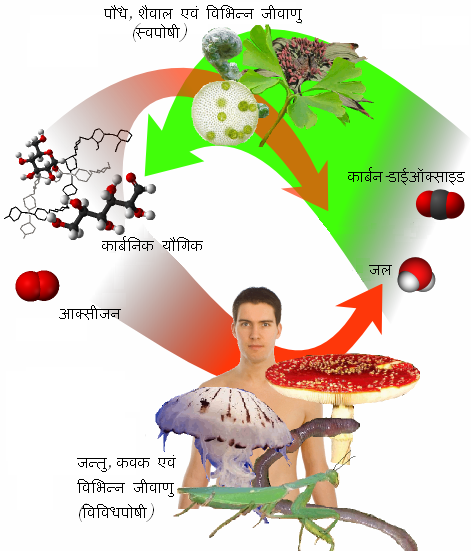
Another similarity is that both reactions release energy after oxidation. For respiration, the equation for the oxidation of glucose is:
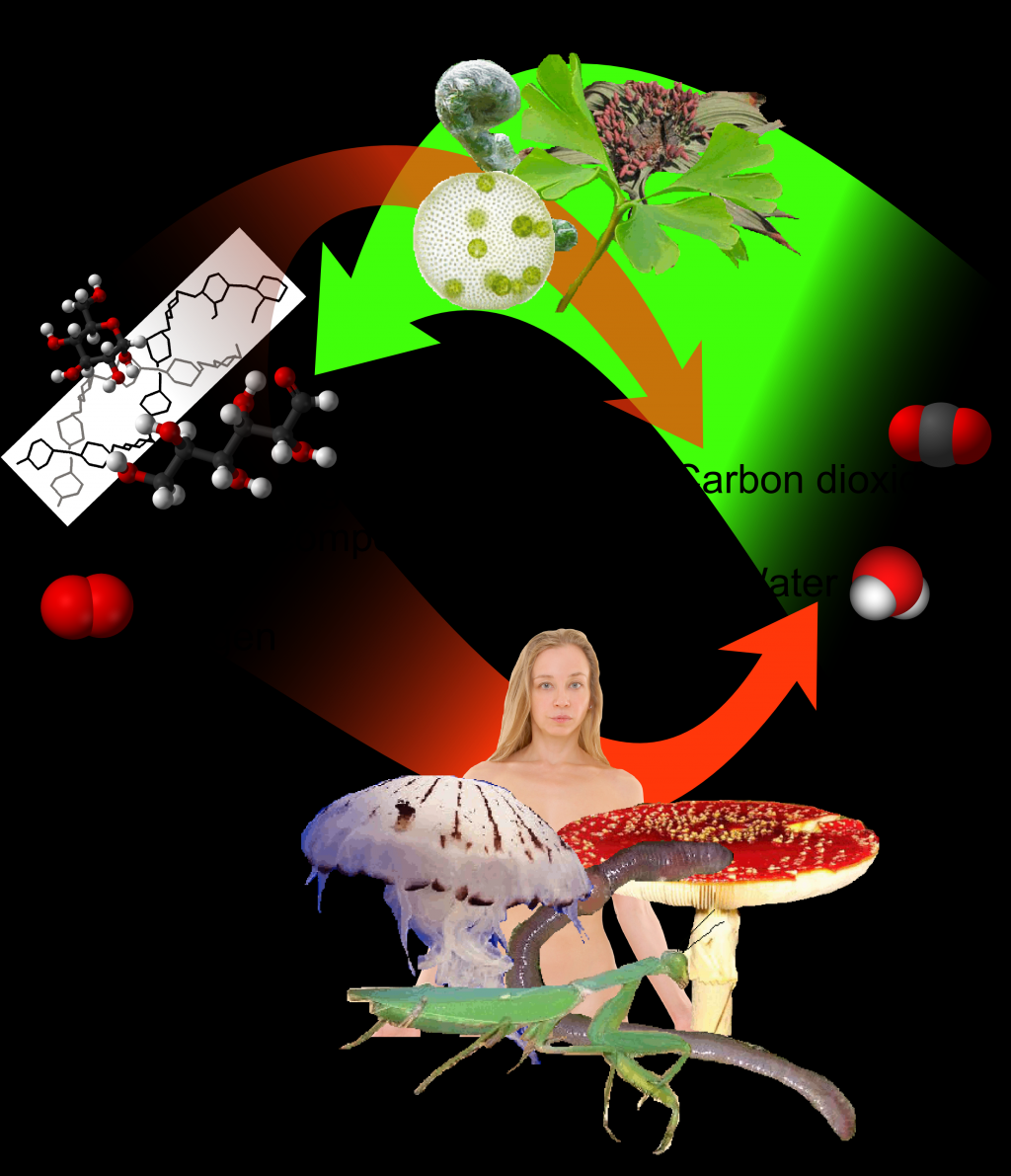
Glucose + Oxygen → Carbon dioxide + Water + Energy
C6H12O6 + 6O2 → 6CO2 + 6H2O + energy
A substance called ADP (adenosine diphosphate) reacts with a phosphate group to form an ATP molecule (adenosine triphosphate).
ADP + phosphate + energy → ATP
In burning, the energy released is in form of heat and light.
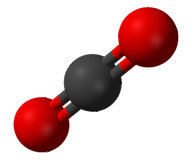
The final similarity is that both reactions produce waste products. Respiration produces energy, carbon dioxide and water. Carbon dioxide and water are waste products as they are not needed in the body. In burning, the products include water as well as carbon monoxide (CO) or carbon dioxide (CO2), or both. Other by-products from reactions such as burning fuel and coal, may produce smoke and soot.
The first difference is that respiration needs sugar and oxygen (unless it's anaerobic respiration) to...
More Biology
essays:
Olive or Coconut Oils? 7 pages of study notes on the differences between the two and which is better for your body
... blood glucose. - Boosts energy and endurance, Promotes loss of excess weight by increasing metabolic rate Other - Helps prevent periodontal disease and tooth decay. - Reduces epileptic seizures. - Dissolves kidney stones. - Helps control dandruff. 6) Oxidation - Due ...
Mitochondria and Chloroplast a detailed comparison between the functions and purposes of the mitochondria and chloroplast.
... the similarities and differences between the two. In this essay, you will read about the mitochondria, the chloroplast, and their ... this process is just the opposite to respiration, being that in photosynthesis, energy is gained, not released, 6 CO2 + 6 H2O + E à C6H12O6 + 6 O2, with ...
To investigate whether there is a difference in the frequency of stomata between green and white areas of leaves
... the processes of photosynthesis and transpiration. Photosynthesis is a process, which takes places in autotrophs, which transfer light energy into chemical potential energy of organic molecules. Carbon dioxide is converted into glucose, which is later respired by ...
Stem Cell Research: Similarities and Differences Between Adult and Embryonic Stem Cells.
... Wisconsin and John Gearhart at the Johns Hopkins University. This investigation studies the similarities and differences of ... view it as highly unethical. Embryos are destroyed in the process, but many forget that foetuses are never killed intentionally for ...
Comparison between Cellular Respiration and Photosynthesis
... two processes are very diverse as they are responsible for distinct necessities. Therefore they both have similarities and differences. One major difference between the two is that photosynthesis takes place completely in plants while respiration occurs ...
Charles Darwin and Herbert Spencer
... a process of increasing individuation. Human societies evolved from similar hordes by means of increased divisions of labor, into complex civilizations. Primitive men were smaller, less intelligent and more ...
OSMOSIS- WHAT IS IT AND HOW DOES IT OCCUR IN GENERAL
... permeable membrane. Osmosis is complete when all of the water molecules have been evenly spread out and can take place either in plant cells or animal cells ... . However, when animal cells are placed in sugar solutions things may be rather different because animal cells do not have cell walls. In very ...
Mitosis in Animal and Plant Cells.
... a process in which animal and plant cells differ. In animal cells, the cytoplasm and all ...