The three guna are as repeatedly mentioned in the Sanskrit metaphysical texts as is the term "natural law" in any modern physics texts. This word guna is generally interpreted as "mode of material nature" or "rope" ; this indicates the binding power of the three guna. The three guna form part of Vedic (Hindu) philosophy, simply put they are the lords of the three most fundamental psychological factors of the universe, and they correspond to the three functions of material existence, namely of creation, maintenance and destruction.
All such material activities in the world are said to be controlled by these three modes of material nature. The three gunas are frequently referred to in the Vedas (the classic Sanskrit texts of India), as either 'natural law', 'mode of material nature' or as 'the three binding ropes'; they are classified as 'Tamas', which refers to destruction. Tamas is characterised by ignorance, darkness, madness, devastation, uncleanness, indolence and intoxication.
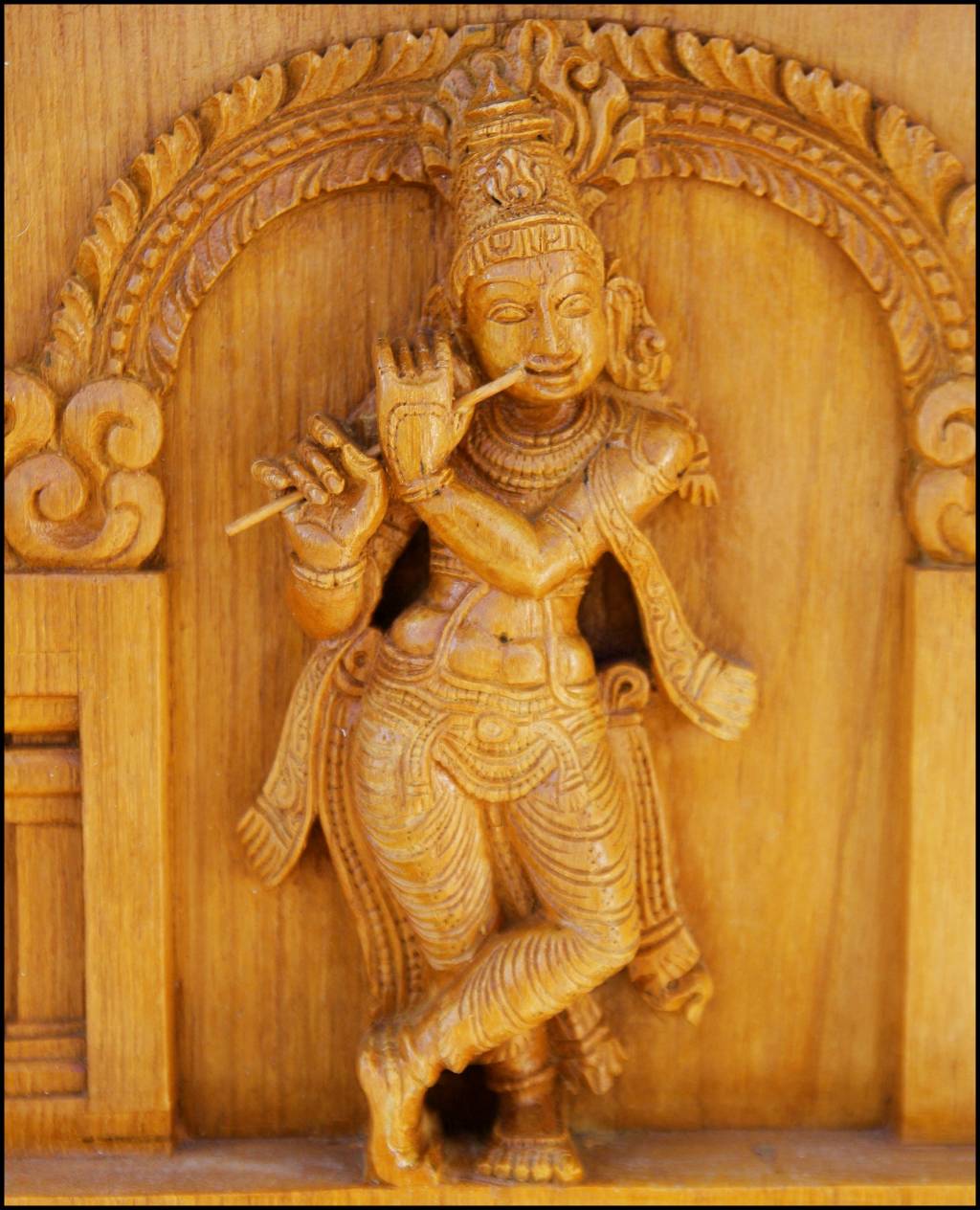 Wood carving detail of the Hindu temple of Greater...
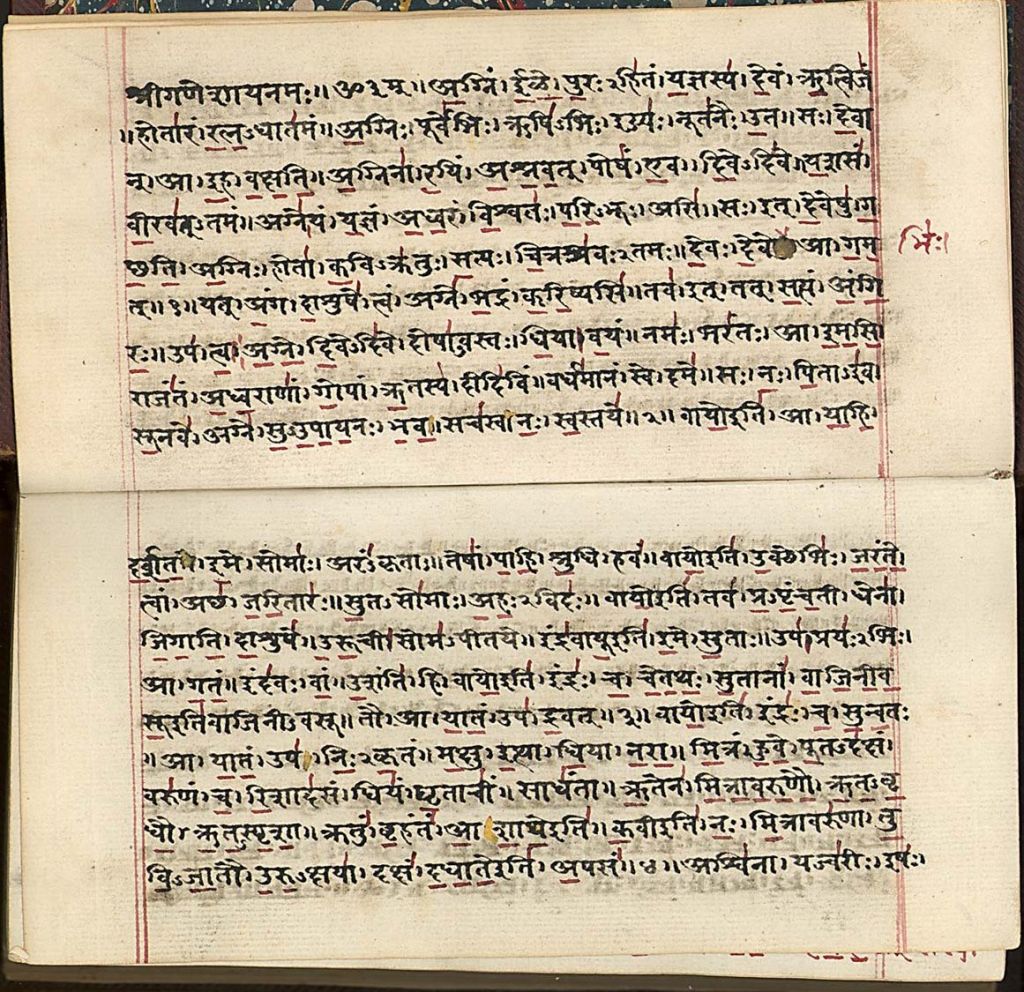 The Rig Veda is one of the oldest religious texts....
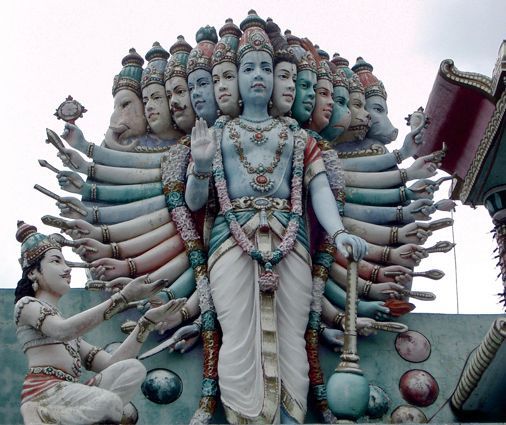 Lord Krishna displays his Vishvarupa (Universal Fo...
It is controlled by the guna-avatar Shiva. Also 'Rajas', which refers to creation. Rajas is characterised by passion, unlimited desires, greed, great endeavor for sense gratification, power and prestige. It is controlled by the guna-avatar Brahma. The third guna 'Sattva' refers to maintenance. Sattva is characterised by goodness, knowledge, wisdom, beauty, purity, love and happiness. It is controlled by guna-avatar Vishnu, who is also the source of the two other avatars. According to Stutley (1977) Rajas is said to lack the subtlety of Sattva, with its activities being compared to that of a ferocious forest fire or to a tempestuous wind, this they state is because "when raja predominates emotional unbalance, pain, etc. occurs."
O'Flaherty (1976) informs us that the qualities of both rajas and tamas (creation and destruction) appear as a natural complement to sattva during the course of creation. These three...
Very good
Very good info...
1 out of 1 people found this comment useful.