What is the role of women in Classical Ancient Greece, and how are they represented in the play 'Antigone' by Sophocles?"
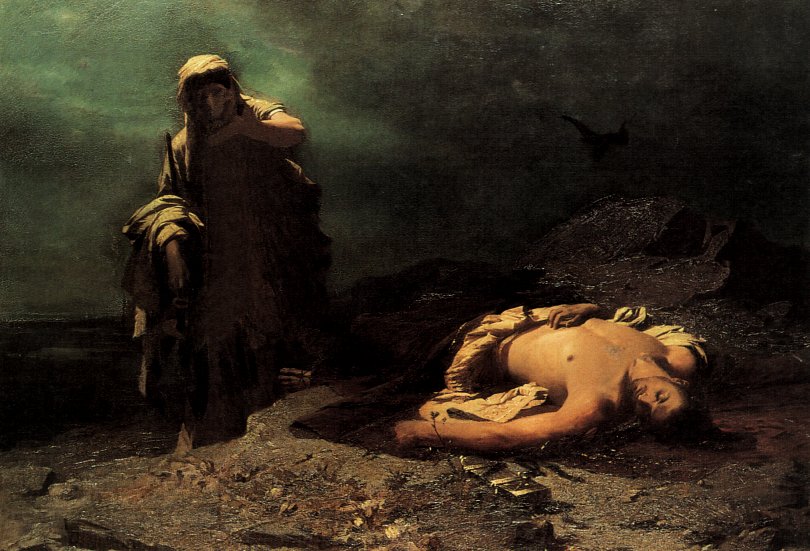
Women in Classical Ancient Greece (5th Century BC) held an inferior social position to men. Although they were prominent in the Greek Mythology (Goddess of Wisdom Athena, Goddess of the Hunt Artemis) and writing such as Sophocles' Antigone (441 BC), the average woman stayed at home, spinning and weaving and doing household chores.
They never acted as hostesses when their husbands had parties and were seen in public only at the theater (tragic but not comic) and certain religious festivals. Women were prominent in functions such as weddings, and in funerals, since they took care of the bodies. Women were not allowed to visit the ekklesia, the Pan-Hellenic games, or the cherished oracular shrines.
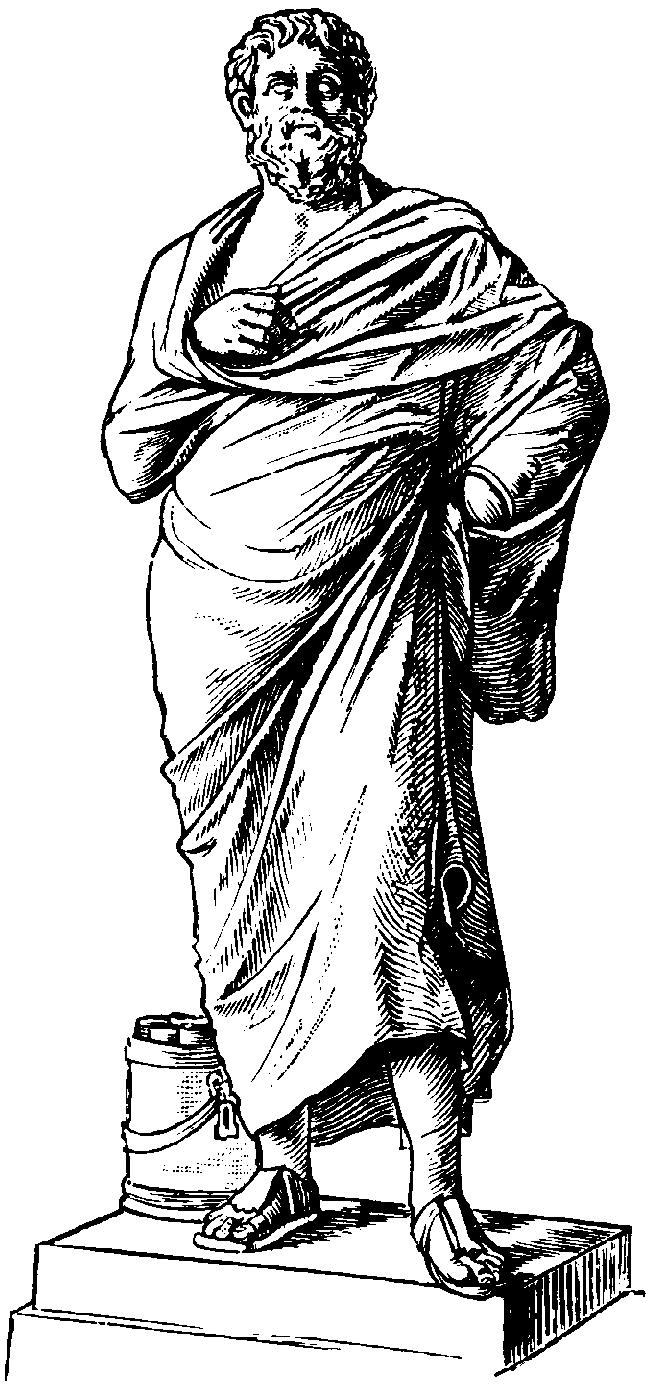
In Homer's Odyssey (possibly 9th Century BC), many women feature, but most find their place in the story only by their relationship to the men. A woman's prime role was to procreate and carry on a lineage, and while some considered this ethereal and respectful, others saw them as an unfortunately necessary nuisance "woman is the consumer of men, their sex, their strength, their food, and their wealth, and the instigator of all evils in the world; yet without her, society cannot continue" (Simonides 556-468 BC). They were given no opportunity for education, save in household management:
"to remain indoors and send out those servants whose work is outside, and superintend those who are to work indoors, and watch over so much as is to be kept in store, and take care that the sum laid by for a year be not spent in a month" (Aristotle Oikonomikos, c. 330 BC)
Women did not receive a formal education as the men did until the Macedonians conquered the Hellenistic world at the end of the 4th Century BC and their status was elevated. Yet still they were...
More Greek Language & Literature
essays:
Discuss the depiction of power in Antigone by Sophocles and A Doll's House by Henrik Ibsen.
... Ibsen and Sophocles use their female protagonists to comment on the status of women in their respective societies. In both ancient Greece and 19th century Norway, men held the dominant position in ...
Compare and contrast the views of Oedipus and Queen Iocaste as to the validity of uncontrollable fate, and oracles being able to see the future.
... many years. At this point in the life of Oedipus, is where the story Oedipus Rex by Sophocles starts. As I write this I am assuming that you know the rest of the story and I will be providing text from ...
Different portrayals of women in "Antigone" and "Lysistrata"
... portrayals of female characters Antigone and Lysistrata illustrate the fundamental nature of the proper Athenian woman. Sophocles' Antigone allows the reader to see that outrage over social injustices does not give women the excuse ...
Medea; questions and answers that can create a better understanding of the character Medea and how the sympathy of the audience shifts thoughout the play.
... list of the injustices Medea believes women in this culture experience. Medea believes that women in this culture experience many injustices; including the fact that women are not equal to men, and that "For women, divorce is not respectable; to ...
Provide an adequate "dictionary" definition of the expression "classical epic". Then show how each part of the definition has its source in specific elements of Homer and Virgil.
... by the use of several specific devices. They traditionally begin with an invocation of the muses and a brief introduction of the story ...
Oedipus The King - Compared to Things Fall Apart
... strands" (Sophocles 938). "Because of this, readers may in turn pity her and loathe her" (Boyer Online). She However, as we referred to the article of "The Goddess Eileithyia and the Role of Women in Ancient Greece", " women ...
Clytaemnestra and penelope - a
... s roles in ancient Greece were essentially submissive; they were viewed as possessions of the males in their families and were utilized as such. Penelope represents the positive female role model ...
Hospitality towards guests for Greeks
... the ancient Greeks. The suitors were an example of poor hospitality. No matter how rude someone got and how unwelcome they were in someone got in their house, the person who lived in the house still treated the people with respect ...