Roman Rule Argumentative Essay
There is much controversy when determining whether Roman rule benefited the entire empire, or just the city of Rome and Italy. There are more facts that point toward Roman rule benefiting the whole empire, not just Rome and Italy. The roads built throughout the empire were an advantage to everyone, the education system was fair to Roman children, and trading was active all over the Roman Empire.
Roads built by the Roman army throughout the empire assisted everyone who was in the empire. "These technological advantages made the shipment of goods across land much easier." Food, clothing, and other necessities were needed in densely populated areas of the empire; the roads made it so much easier to get these items from one place to another. Roman roads were one of the ways in which the empire was able to achieve military success. They enabled the army to efficiently travel to places faster, which helped to aid the citizens incase of possible invasions. These roads allowed merchants a safer and easier way to travel from town to town, in the empire. "From the southeastern corner of the empire, the Romans imported many dyes for clothing and make-up from the Near East." There were large fortresses built along the roads, in order to make sure merchants and their belongings would not be harmed. The roads benefited all citizens in the empire, since the roads assisted in delivering goods, directing the army, and protecting merchants.
The Roman education system was fair to the children in the entire empire. Literacy was extremely important in these days for everyone in the Roman Empire. "The first thing Roman children had to learn was how to read and write. The written word was all around them in public buildings." Families were given choices of how their children...
More Roman History
essays:
Asnwer these Questions: Define "defense-in-depth" and "barbarization." In your opinion, what role did both of these, as incorporated into the Roman army, have on the fall of the Western Roman Empire?
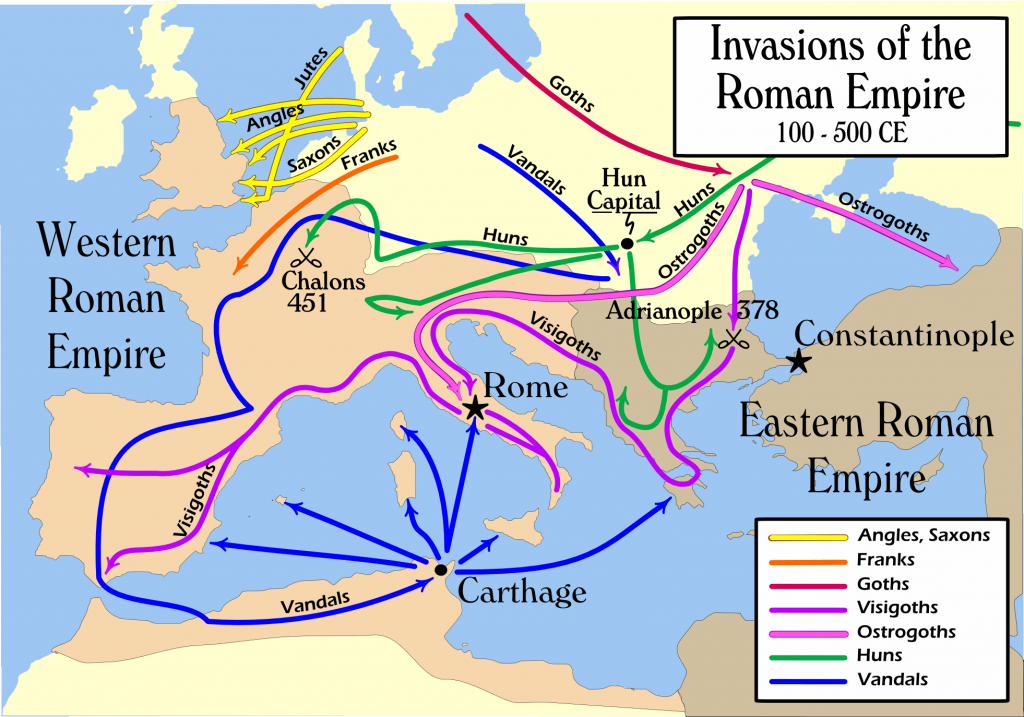
... the Roman settlers would help provide food, housing, clothing to the Visigoths in exchange for their service as fighting allies, was the beginning of the end for all Roman army tradition and discipline. Later, the Empire developed ...
This is a short essay on why the Roman empire fell.
... sacked Rome, leaving it in chaos. Famine struck and it's population eventually dropped from 1 million to about 20,000 people. A few of the causes of the Roman Empire's ...
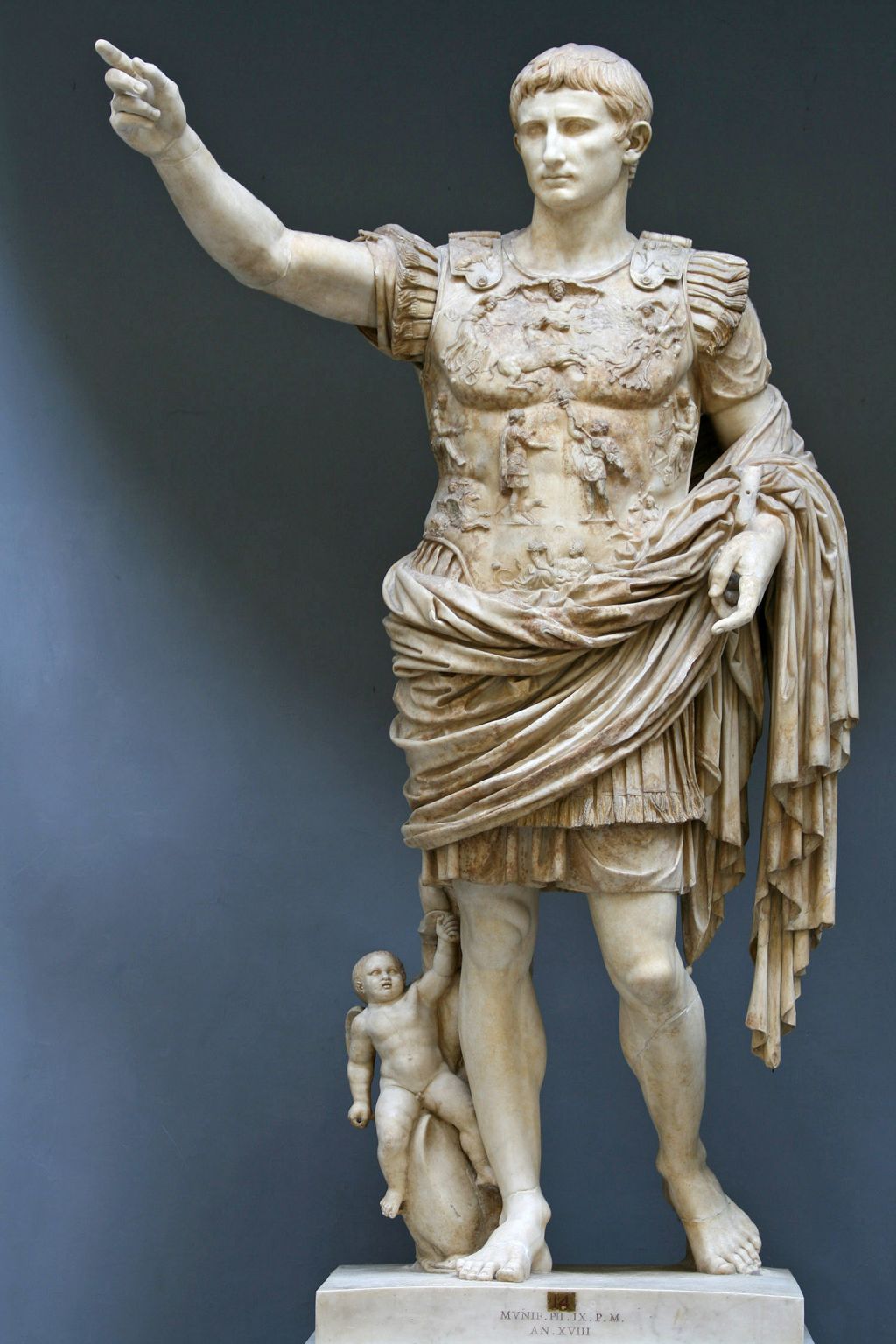
Discuss representations of Augustan power and the ways in which this power has been portrayed as beneficial for Rome and the Roman Empire.
... strength of the Roman Empire. These achievements, and indeed the Emperors substantive power, stemmed from financial success and resources gained in conquests, the building of patronage relationships throughout the Empire, the loyalty of many military soldiers and veterans ...
The Roman Empire, from Caesar's reign through Augustus, and finally the infiltration of the Germanic barbarians. 7-8 pages, double spaced, 10pt Times New Roman, with 'quick references'.
... the Roman settlers would help provide food, housing, clothing to the Visigoths in exchange for their service as fighting allies, was the beginning of the end for all Roman army tradition and discipline. Later, the Empire developed ...
The roman army.
... civilians of Rome, and the provinces alike. Engineering was, feasibly, the most important non- military role of the Roman army. Some of the roads, aqueducts, bridges, and temples all over the empire, as ...
Reasons for the Fall of the Western Roman Empire.
... shortage of children, and foreigners began to pour in to be apart of Rome's army, soon the Roman empire was composed mostly of Germans ...
History of Roman Government
... the city. In 455, Vandals came and sacked Rome. In the year 476 AD, the last emperor died, marking the fall of the Roman Empire, one of the ...
The Roman Army
... actual city of Rome. First, there was the Praetorian Guard, and later there were the urban cohorts. These forces were, for the most part, under the immediate direction of the emperor. The majority of the soldiers in the imperial roman army ...