What is Romanticism?
*Artistic and intellectual movement that originated in the late 18th century and stressed strong emotion, imagination, freedom from classical correctness in art forms, and rebellion against social conventions.
*The predominance of imagination over reason and formal rules (classicism) and over the sense of fact or the actual.
*The revival of medievalism in art, letters and life. (Heine)
*Liberalism in literature. (Victor Hugo)
*It is a more radical kind of expression; it seeks out the new, the curious and the adventurous.
BACKGROUND
*In literature it was America's first great creative period, a full-flowering of the romantic impulse. American brand of romanticism developed its own character when writers stopped thinking of themselves as British and started viewing their writing as "American".
*Politically the time was ripe. The 18th century left a heritage of optimism about man's possibilities and perfectibility. The ideals of democracy asserted the value of individuals, regardless of class and education.
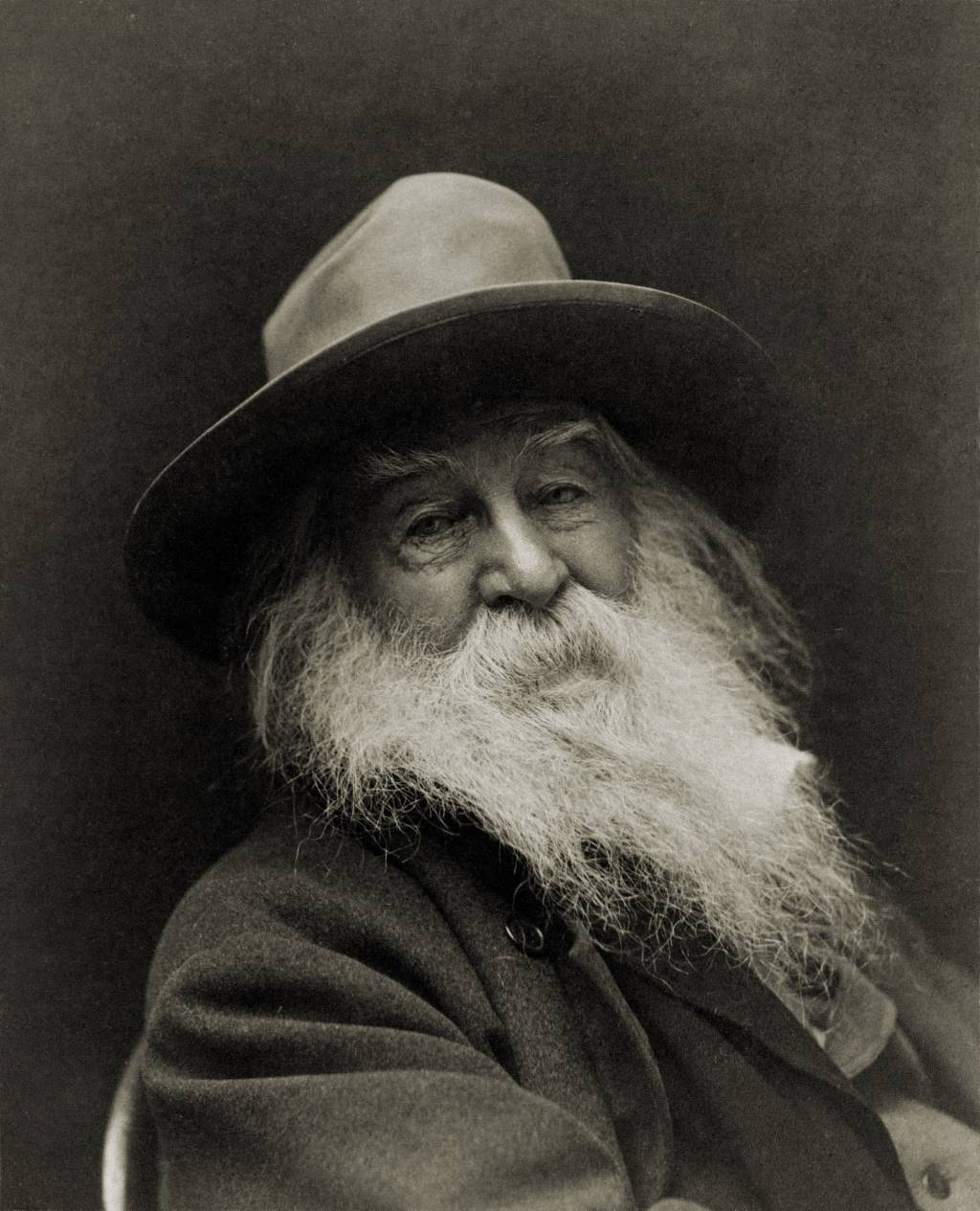 Walt Whitman's use of free verse became appreciate...
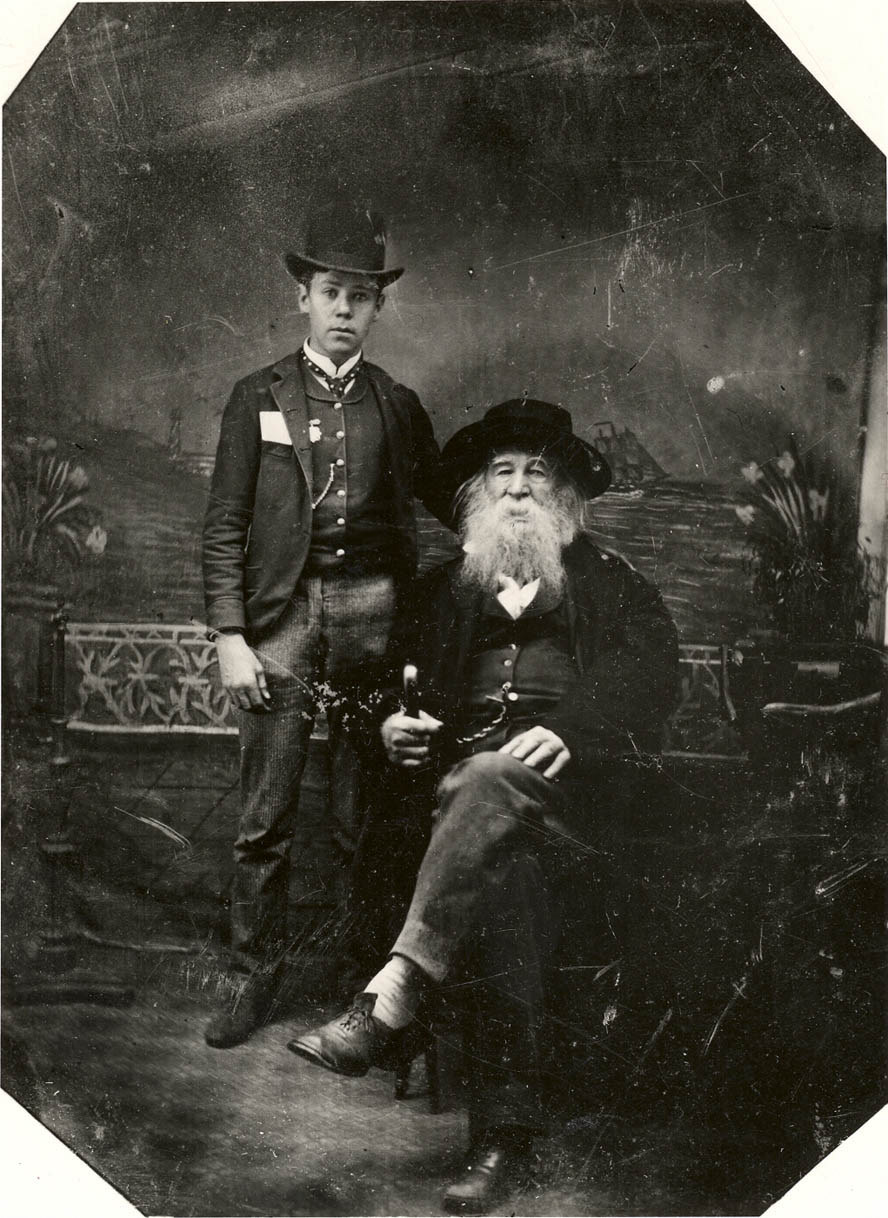 Walt Whitman and Bill Duckett
 Henry David Thoreau
*Economically America had never been wealthier. But the rising materialism was spawning reform movements all over America. Over 150 intentional communities were formed by people disillusioned by the materialistic values and inequities of American society.
*Religion, always a basic concern for Americans, was ready for romanticism and its kind of pantheistic (a doctrine that equates God with the forces and laws of the universe) religion.
*Philosophically, they reacted against the materialistic educational theories of Locke and rationalism. They found truth more a matter of intuition and imagination than logic and reason.
LITERARY THEMES
*Highly imaginative
*Emotional intensity
*Escapism
*Common man as hero - such as a farmer or peasant, as opposed to nobility or rich people.
*Tab/>Nature is a source of beauty, emotion and inspiration.
*Supernatural - includes ghost stories, legends, mysterious powers etc. Interest in the "antique" medieval forms.
*Belief in natural goodness of man.