Romanticism
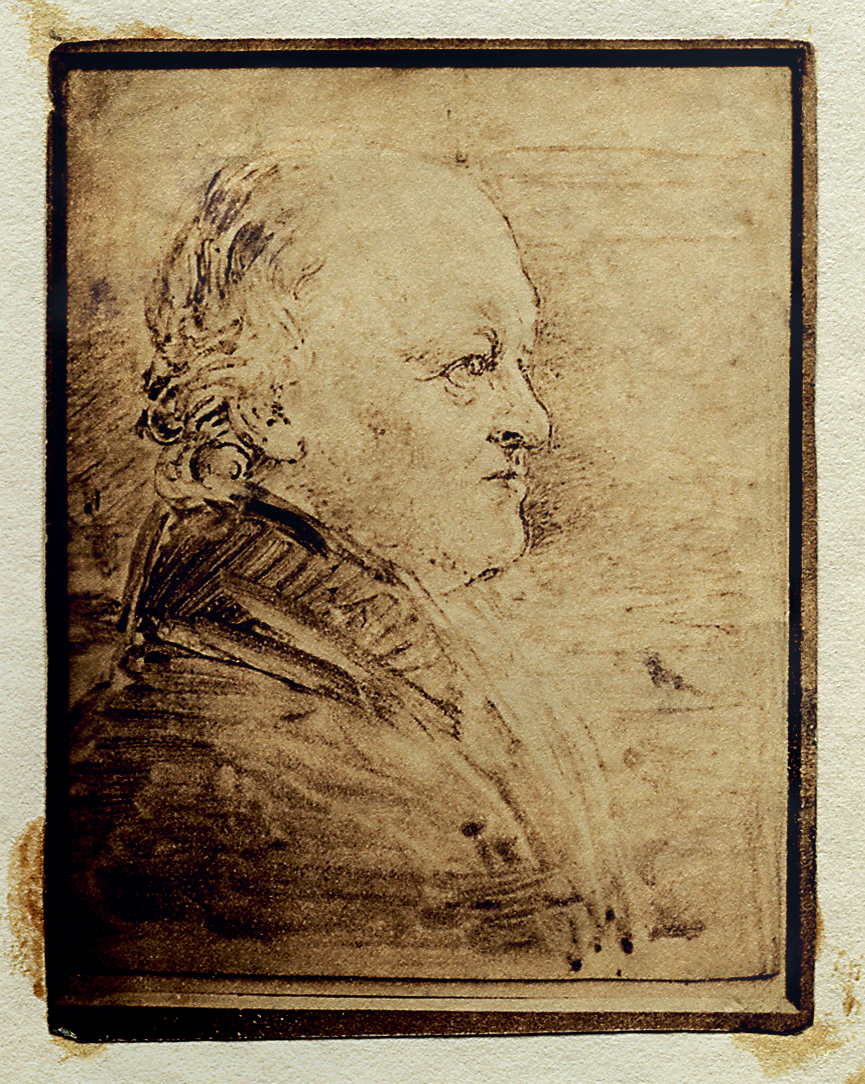
Romanticism, for English poetry, roughly began in the year 1798 and to 1837. It was a rejection to the previous movement of Enlightenment. Enlightenment emphasized on rationalized reasoning, while Romantic poets were interested in personal experiences and emotions; they emphasized everyday things; they showed an interest in sensitive, distorted, or melancholic states; it was a reach back to the medieval times. Most of the times, romantic poets or artists stressed religion as the main or absolute power and it was depicted in their works. But, many young Romantic poets portrayed revolutionary ideals in their works also, which is ironic because Romanticism, as I mentioned above, was reactionary as well. One of the most famous English Romantic poet was William Blake. He was born in London on 28th November 1757. As a child, Blake would see things that were very surreal. He claimed that he saw a tree filled with angels. Even during his adult life he was very intimate with these dreamlike fantasies.
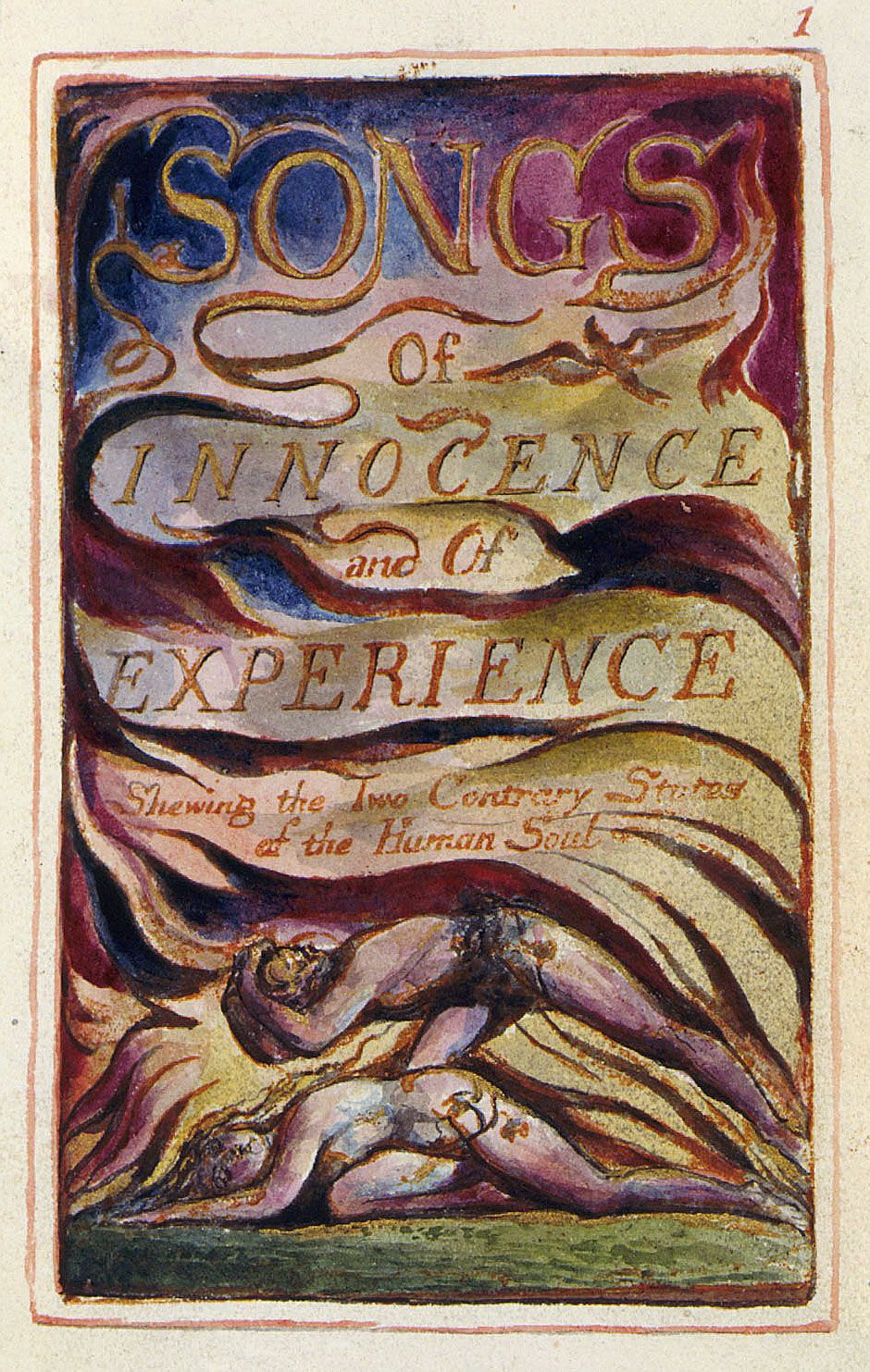
Blake was very artistic as well. His artistic style was influenced by Greek and Roman styles. In 1772, Blake was apprenticed under James Basire, engraver to the Society of Antiquaries and the Royal Society. There, he learned the craft of copy engraving; he engraved many sketches, including portraits of Henry III, Eleanor of Castile, Edward III, and Richard II. In 1779, Blake became a journeyman copy engraver, after finishing his 7-year apprenticeship with Basire. At the same time, he was also preparing himself for a career as a painter. In 1779 he was admitted as a student to the Royal Academy of Arts Schools of Design. Even as a student, Blake followed his own taste in the Greco-Roman arts. When the elderly George Moser, Keeper of the Royal Academy, advised him to study Lebrun and Rubens instead...
More Latin Language & Literature
essays:
What is Romanticism ?
... with piano accompaniment (Schubert, Schumann, Brahms, Wolf). BEST KNOWN ROMANTICISTS *William Blake *Henry Wordsworth *Samuel Coleridge *Lord Byron (George Gordan) *John Keats *Edgar ...
Was the Trojan War really the fault of the gods? - Give reasons for and against.
... American Poetry: About Helen of Troy Found at: http://www.english.uiuc.edu/maps/poets/g_l ... Found at: http://www.princeton.edu/%7Erhwebb/ 11\10\2003 (1998) Universal Artists, Inc. Ancient Greece- history, mythology, art, culture, and architecture Found at: http://www.ancientgreece.com/ 11\10\2003 ...
Criticism of Young Goodman Brown
... this "paradisal skepticism" or "a retreat from the paradisal ideal with a recognition of limits in human knowledge" (249). Most critics characterize these works as portraits of the American experience but instead of man moving from ignorance to knowledge, man accepts ...
The Fall of the Latin Language
... The everyday person spoke the everyday language, which, with the passing years, diverged more and more from even Vulgar Latin, so that by the end of the ... from several other languages and came to be known as the Roman or Romanic language. It was so thoroughly established that the invading Germanic ...
Sexual Violence in Apuleius' The Golden Ass
... in Apuleius' time, yet it reveals many things about the Roman way of life and way of thinking. Though we can't take the fantastical elements of the story seriously, the things that Apuleius treats as everyday occurrences most likely were ...
Developmental theories
... child's self-learning. This knowledge comes through her practice of the art of observation. The child is given what is termed as "freedom ... to nurture and encourage your child to be the best person he/she can be. The teachers role is to follow ...
English Literature "My Culture My Tradition"
... me from my culture. My desperation, lust and desire for english literature is growing everyday. I have my world cocooned by my literature, my own ... own style with which I express myself. Because of literature I discover myself; under the shed of darkness. It is English literature ...
Latin notes on verbs, adverbs, nouns, adjectives
... will have arrived at Athens, you will study in the Academy When you arrive at Athens (sounds better in English) NB : a future perfect verb occurs earlier in time than ... that it uses cardinal numbers and is very often plural Roman Time Periods hour = hora, -ae (f.) tres hora = for three ...