The era of Romanticism spans from the late 1700's to the mid 1800's following the French Revolution; therefore, "Romanticism" encompasses characteristics of the human mind in addition to the particular time in history when these qualities became dominant in culture. Romanticism depicts an artistic movement which emerged from reaction against dominant attitudes and approaches of the 18th century. Romanticism established realism in literature through creativity, innovation, exploration, and vivid imagery. By expanding beyond the definition of love, Romanticism, accented by mystery, delves into the strange and fantastic aspects of human experiences. "To escape from society, the Romantics turned their interests to remote and faraway places; the medieval past; folklore and legends, and nature and the common man." Edgar Allen Poe is noted as one of the few American "Romantic" poets. Poe's poem "The Raven" portrays Romanticism as characterized by emotion, exotica, and imagination.
A friend of Edgar Allen Poe, R.
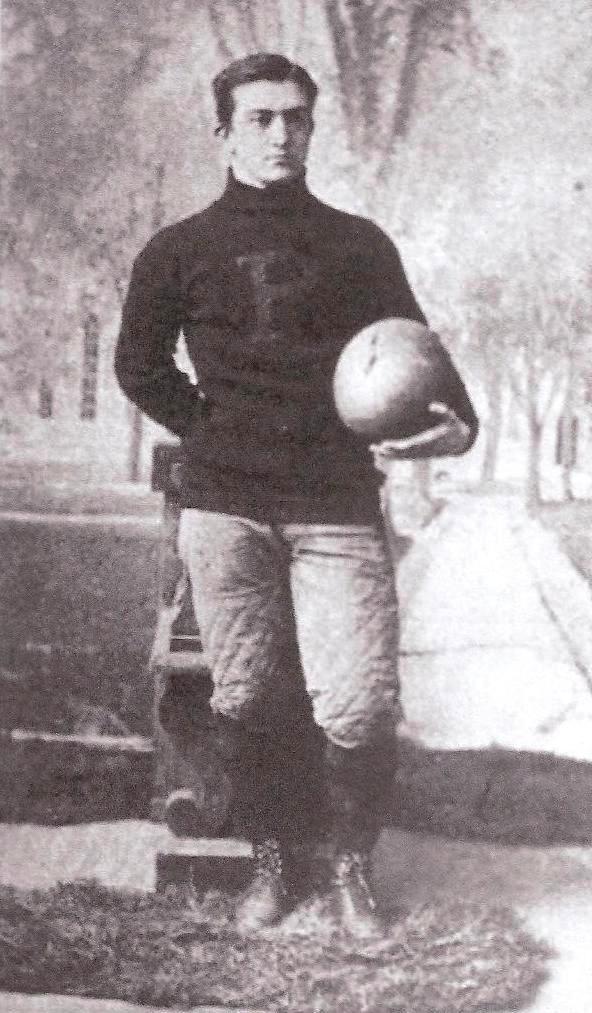 Portrait of Edgar Allen Poe (Maryland attorney gen...
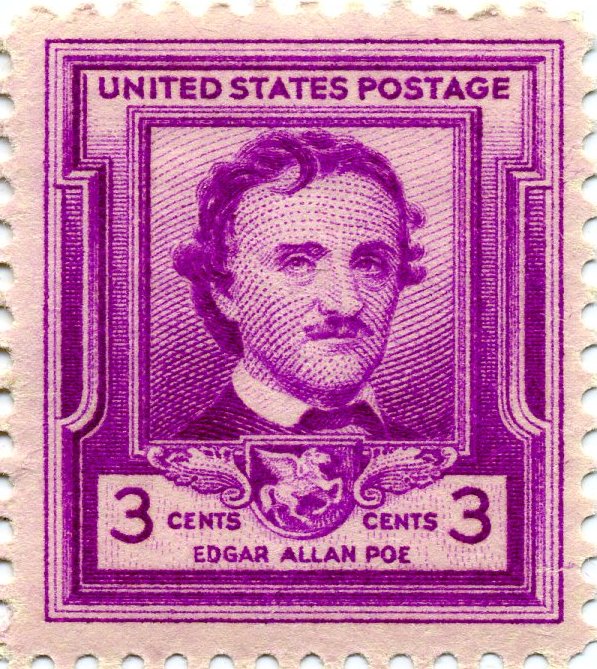 English: Edgar Allen Poe, poet and writer, commemo...
 Edgar Allan Poe Museum (Richmond, Virginia)
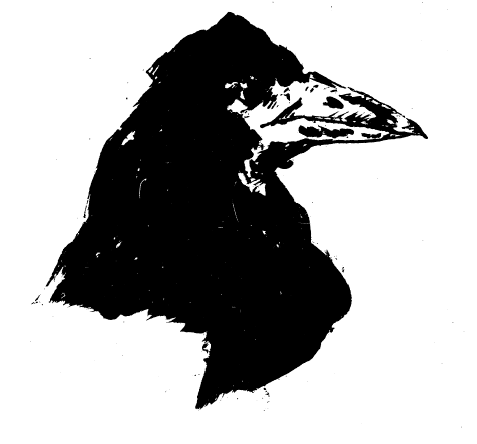
H. Horne, wrote of "The Raven", "the poet intends to represent a very painful condition of the mind, as of an imagination that was liable to topple over into some delirium or an abyss of melancholy, from the continuity of one unvaried emotion." Edgar Allen Poe, author of "The Raven," played on the reader's emotions. The man in "The Raven" was attempting to find comfort from the remembrance of his lost love. By turning his mind to Lenore and recalling how her frame will never again bless the chair in which he now reposes, he is suddenly overcome with grief, whereby the reader immediately feels sorry for the lonely man. The reader pities the man's state of mind.
In addition to an emotional characteristic, Poe also portrays the exotic. Exotic means "unnatural". Exotic means a raven that speaks only one word. Exotic means a bird...