Sarah BernhardtA Victorious LegendSarah Bernhardt was a French stage actress, who at one point attained such heights of fame, she was known as "the most famous actress in the history of the world". (Gale) She achieved great reknown in Europe in the 1870ÃÂs and was soon in high demand in many European as well as the United States and Canada. She maintained great success and influence until her death in 1923. Using her fame as a catalyst, Sarah Bernhardt influenced a rapidly changing society as the social roles and cultural representations of women began to shift. The roots of modern feminism are buried in the theatre, and Sarah Bernhardt was certainly one of the women who influenced and helped to bring about societal change. Without the influence of Sarah Bernhardt, the modern feminist cause would be greatly altered. She has helped to mold and shape our society.
Sarah Bernhardt was born in Paris in 1844 as Henriette Rosine Bernard, the eldest surviving illegitimate daughter of Judith van Hard, a Dutch-born Jewish courtesan.
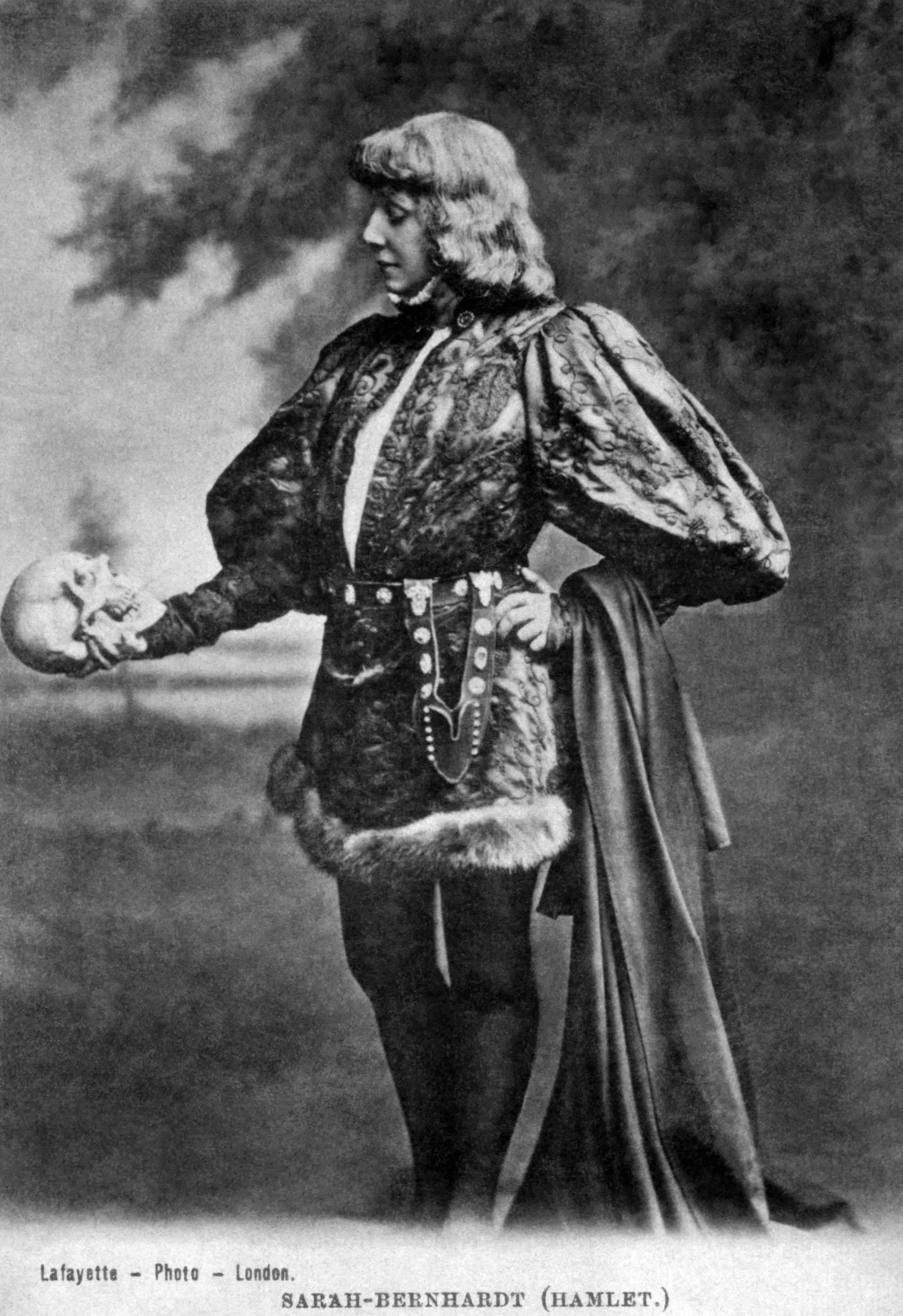 English: Portrait of Sarah Bernhardt as Hamlet.
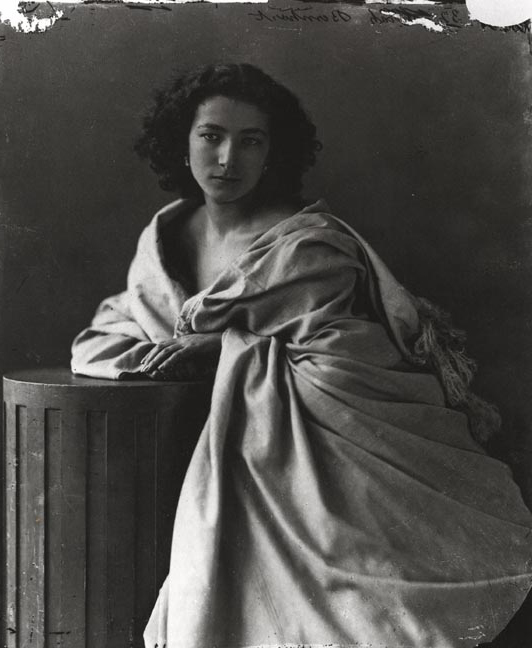 English: Sarah Bernhardt, portrait by Nadar (d. 19...
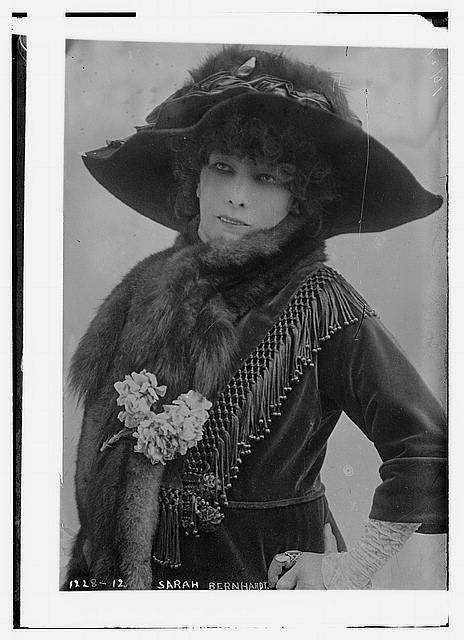 English: Sarah Bernhardt offstage
Educated in Catholic convents, she showed promise in the theatrical arts and was sponsored into the Conservatoire de Musique et Déclamation by the Duc de Morny, a French statesman, in 1859, for theatrical training. (Noble) Her stage career began in 1862 when she appeared in the play Iphigenie in the title role. She soon developed a reputation as a serious dramatic actress, earning the title "The Divine Sarah". Bernhardt was also a pioneer silent movie actress, debuting as Hamlet in Le Duel d'Hamlet in 1900. She went on to star in eight motion pictures and two biographical films. In 1915, ten years after a serious injury, her right leg was amputated, confining her to a wheelchair for several months. Nonetheless, she continued her career, in spite...