Sexual Harassment
The sexual harassment allegations filed by Professor Anita Hill against Clarence Thomas and the proceeding Senate Judiciary Hearing thrust the issue of sexual harassment into the political arena, the workplace, and every day life.
Introduction
Sexual harassment is a very broad term and can be interpreted in a variety of ways. The National Organization of Women (NOW) defines sexual harassment as 'any repeated or unwarranted verbal or physical advance, sexually explicit derogatory statement, or sexually discriminating acts made by someone in the workplace which is offensive or objectionable to the recipient or which interferes with the recipients job performance.' (Redress for Success, page 74) Before 1972, there was no penalty for sexual harassment of women at the workplace. Not until, that is, the Education Amendments of 1972 were enacted. Title IX of the Education Amendments states that 'sexual harassment is a form of sexual discrimination and is illegal.'
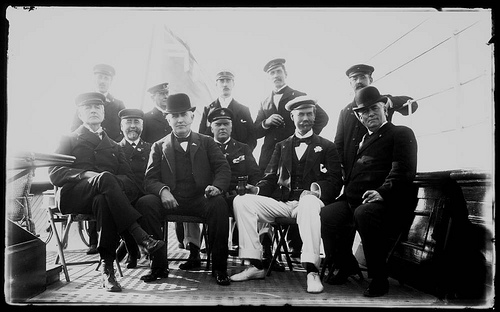 Group portrait with Thomas Alva Edison and Sir Tho...
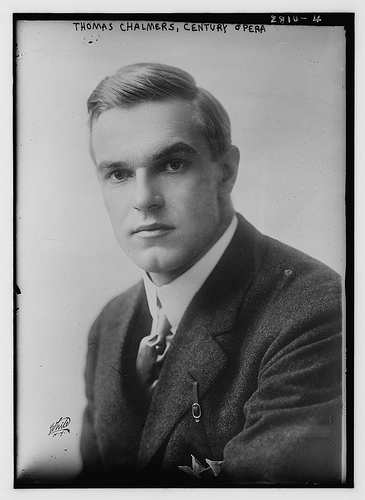 Thomas Chalmers, Century Opera (LOC)
 Thomas
(What is Sexual Harassment?, page 20) After the Education Amendments were enacted, women began to see that the law was on their side and that it was designed to protect them. Women now saw that
Verbal harassment or abuse
Subtle pressure for sex
Unnecessary patting or pinching
Constant brushing against another employee's body
Demands for sex accompanied by threats of termination
Demands for sex in return for preferential treatment
qualified as components of sexual harassment.(Redress for Success, page 75) Soon after that women began to realize that they could be sexually harassed by anybody, such as by employers, supervisors, co-workers, customers, or even by subordinate employees.(Redress for Success, page 74) With this new understanding that they deserved equal treatment as their male counterparts, women began to hold men responsible for their actions and use the laws to their advantage. The sexual harassment allegations made by Anita Hill in 1991 were...