'Shakespeare's plays reflect not life but art.' Make use of this remark in writing an essay on Shakespeare's use of Metadrama. Shakespeare constantly plays with metadrama and the perception of his plays as theatre and not life with the complications inherent that in life we all play roles and perceive life in different ways. The play has recognition of its existence as theatre, which has relevance to a contemporary world that is increasingly aware of precisely how its values and practices are constructed and legitimised through perceptions of reality. Critic Mark Currie posits that metadrama allows its readers a better understanding of the fundamental structures of narrative while providing an accurate model for understanding the contemporary experience of the world as a series of constructed systems. From this quote metadrama can be said to openly question how narrative assumptions and conventions transform and filter reality, trying to ultimately prove that no singular truths or meanings exist.
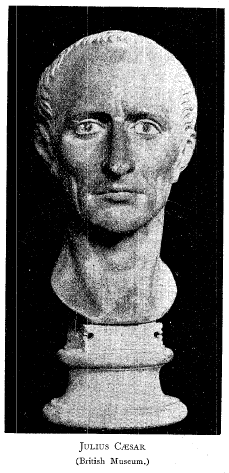 Bust of Julius Caesar from the British Museum
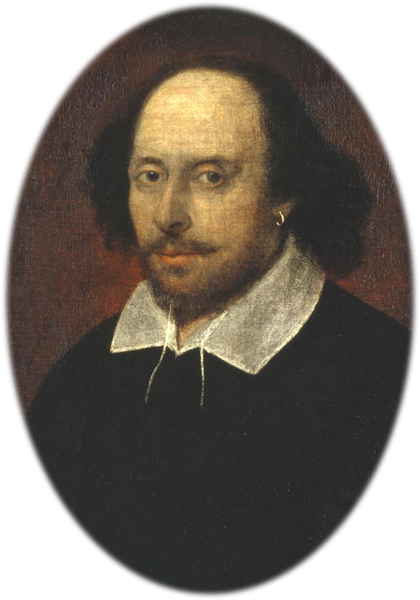 List of titles of works based on Shakespearean phr...
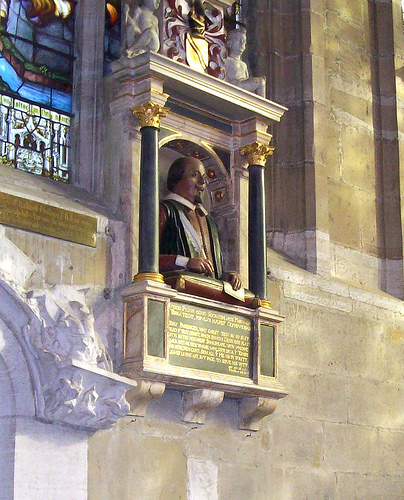 BUST OF WILLIAM SHAKESPEARE
In respect to the plays of Shakespeare, critic John Drakakis supports this notion arguing that Julius Caesar may be read as a kind of metadrama: by figuring Caesar, Brutus, Cassius and others as actors, self consciously fashioning Roman politics as competing theatrical performances the play enacts the representation of itself to ideology, and of ideology to subjectivity. Moreover if the subjects within the fiction of Julius Caesar are radically unstable by virtue of their representations then so is the theatre whose function is to stage this instability. This means that Julius Caesar fits within this essay's definitions of Shakespeare's work reflecting art not life, but also if we are to think of life in terms of people playing roles within their lives where 'All the world's a stage' , and perceiving reality in a myriad different ways then theatre reflects life reflecting...
Shakespeare
Good Job, paragraph format next time! was kind of hard to follow.
1 out of 1 people found this comment useful.