Formal Essay One
January 17, 2012
Should Embryonic Stem Cell Research Be Federally Funded?
The possibility to cure Alzheimer, Parkinson's, AIDS, spinal injuries, and many more diseases is met with excitement by those in the medical field. The discovery of embryonic stem, ES, cells in 1998 by James A. Thomson, a biologist at the University of Wisconsin, Madison, was a sensational find for the medical world. This is because ES cells have the capacity to become any type of cell tissue in the body. To the medical world the opportunities seem endless in their ability to cure or provide a treatment for many diseases. However, there is a great deal of debate by some who question the moral and ethical use of ES cells, believing that life begins at fertilization. Supporters argue that we have an obligation to help others who are suffering by using ES cells, because they think they are only potential life.
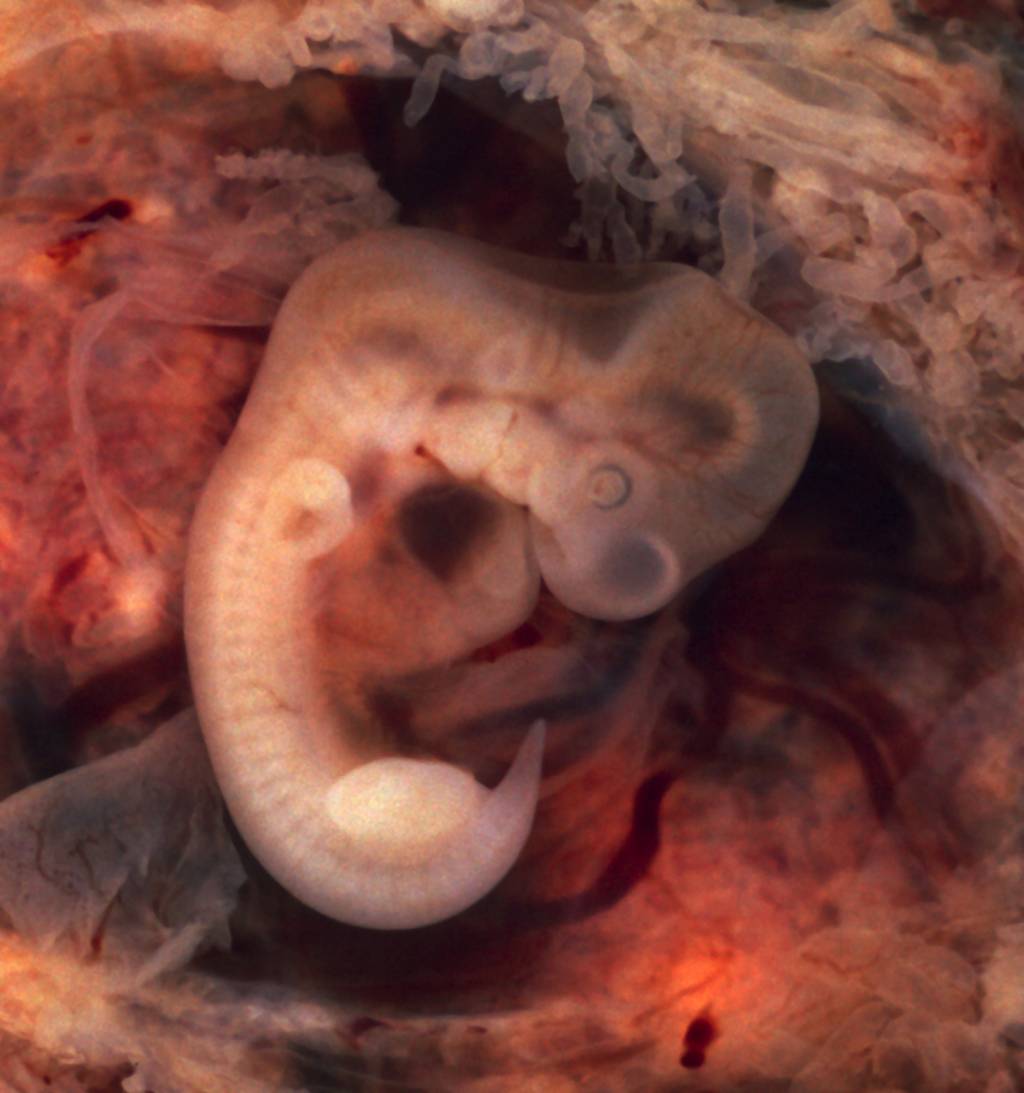 An opened oviduct with an ectopic pregnancy at abo...
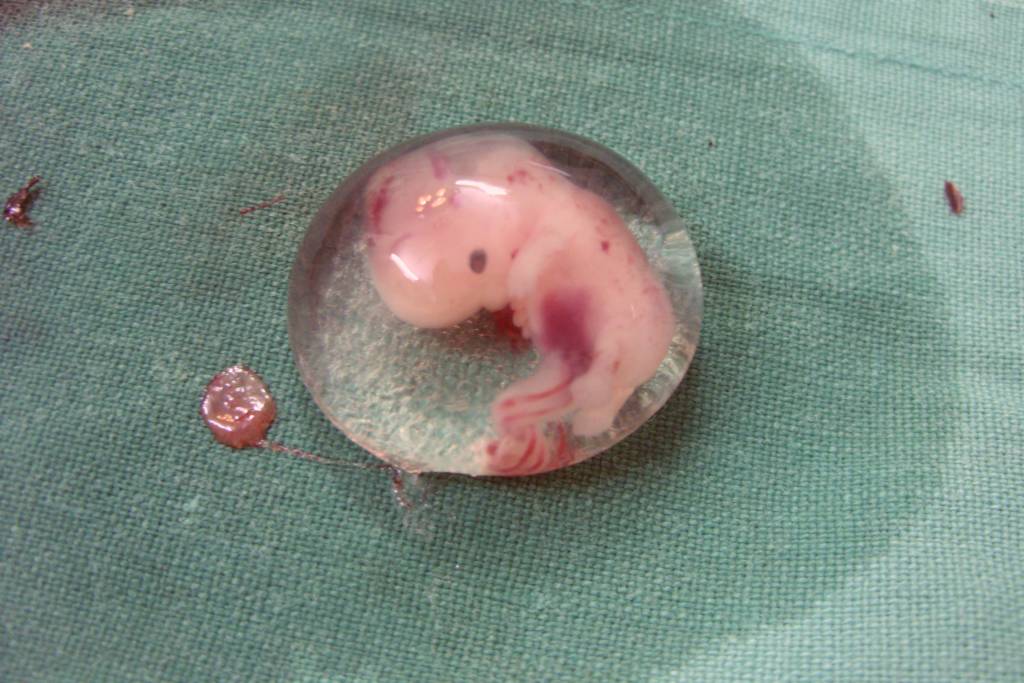 English: A six week embryonic age or eight week ge...
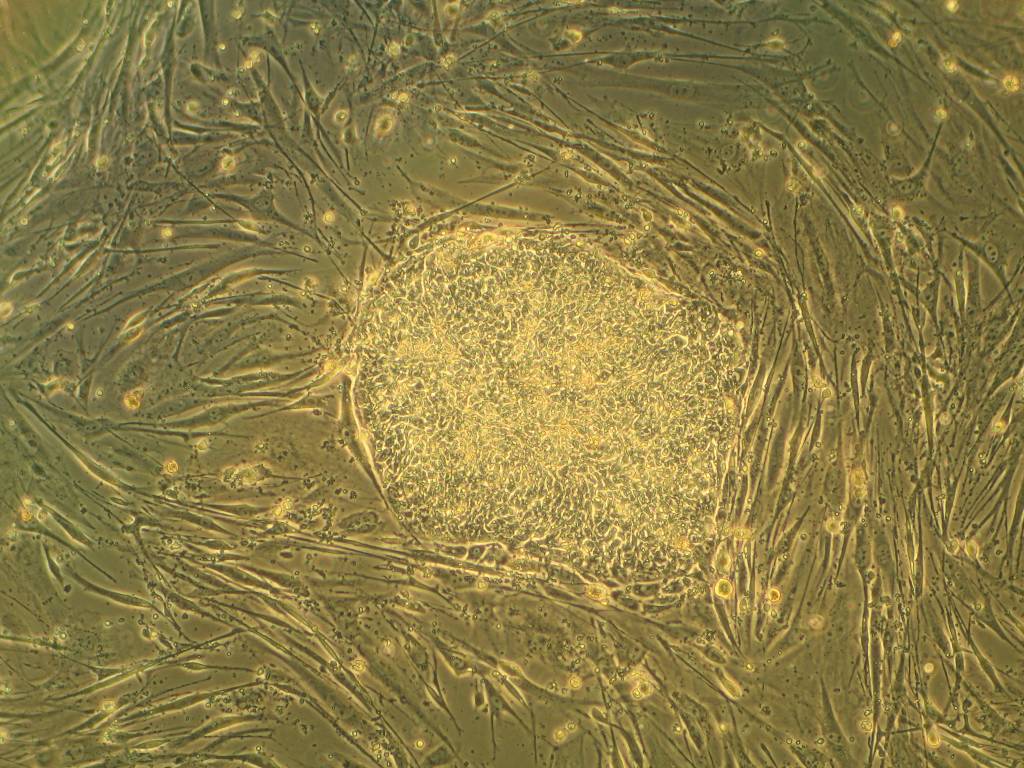 A colony of embryonic stem cells, from the H9 cell...
The question is do we have the right to use ES cells for research purposes when the embryos will be grown specifically for research and destruction? And if so, should this research be funded by the government?
Understanding the composition of ES cells is the mainstay towards understanding the debate. ES cells are non-specialized cells found in the human body and are capable of multiplying and creating all types of specific cells. ES cells are developed in an in vitro fertilization clinic and not in a woman's womb, as the name seems to indicate. Because these cells have the ability to develop into any type of cell, the research potential for ES cells is very promising. If the correct genes can be turned on they could regenerate tissue cells that are incapable or too damaged to replace themselves. Or they can be used...