Isaac Newton, (also known as Sir Isaac Newton), is known as a great scientist by many people. He was born on December 25 in the year 1642 in Woolsthorpe, England. His father died before he was born and left his family without much money. Isaacs mother soon remarried and had three more children. His mother expected him to manage the farm, but he really didn't care for that much and instead was sent back to grammar school to prepare for college. When he finished grammar school and attended Trinity College, University of Cambridge, at age 18.
He started college in 1661 and while he was there he learned of the scientific revolution that had been going on in Europe. After abandoning college because of the style of teaching, he went on to study natural philosophy. He became intrigued by atomists and the theory that all things in nature were made up of particles of matter, also known as atoms.
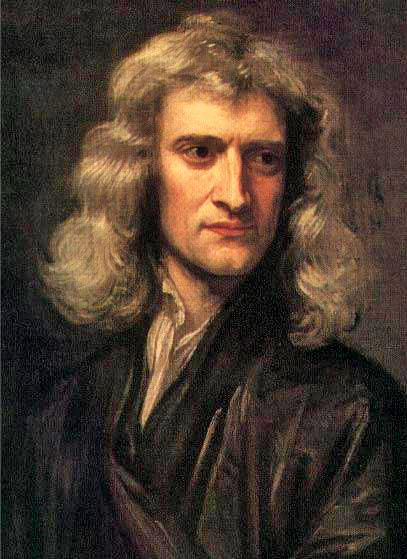 English: Isaac Newton Dansk: Sir Isaac Newton Fran...
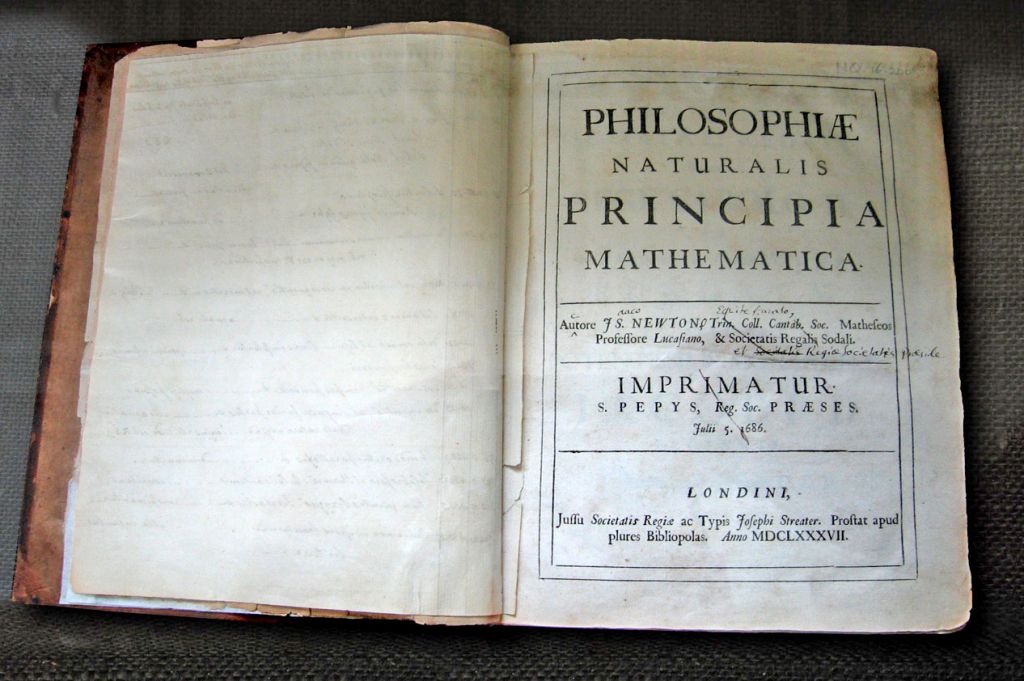 Isaac Newton's personal copy of the first edition ...
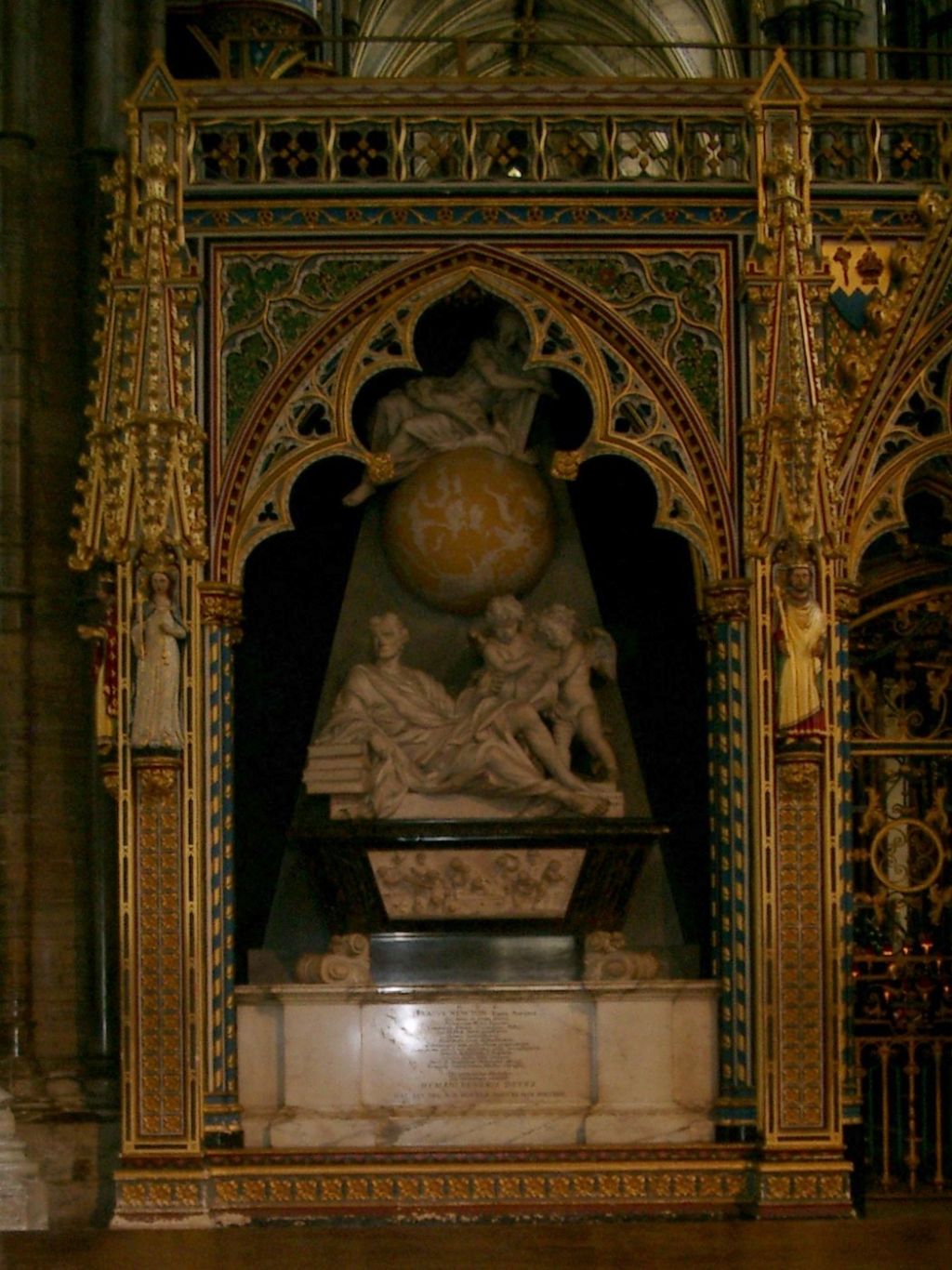 Monument to Isaac Newton over his tomb in Westmins...
He then returned to Woolsthorpe and continued to study light, gravity and mathematics. These studies eventually lead him to some of the greatest discoveries in the history of science.
In science his main discovery was that when white light passed through a prism, it was broken up into a broad spectrum of colors. When that spectrum was shone back through another prism that spectrum became a white light again. Next he passed a single color of light through a prism, the color was the same when it came out the other end this led him to believe that white light was composed of all the colors. During this time he also formulated the corpuscular theory of light, which states that light is made up of tiny particles, also known as corpuscles. Another great discovery that he came up with...
You are smart!
Keep it up man!
I loved your essay
2 out of 2 people found this comment useful.